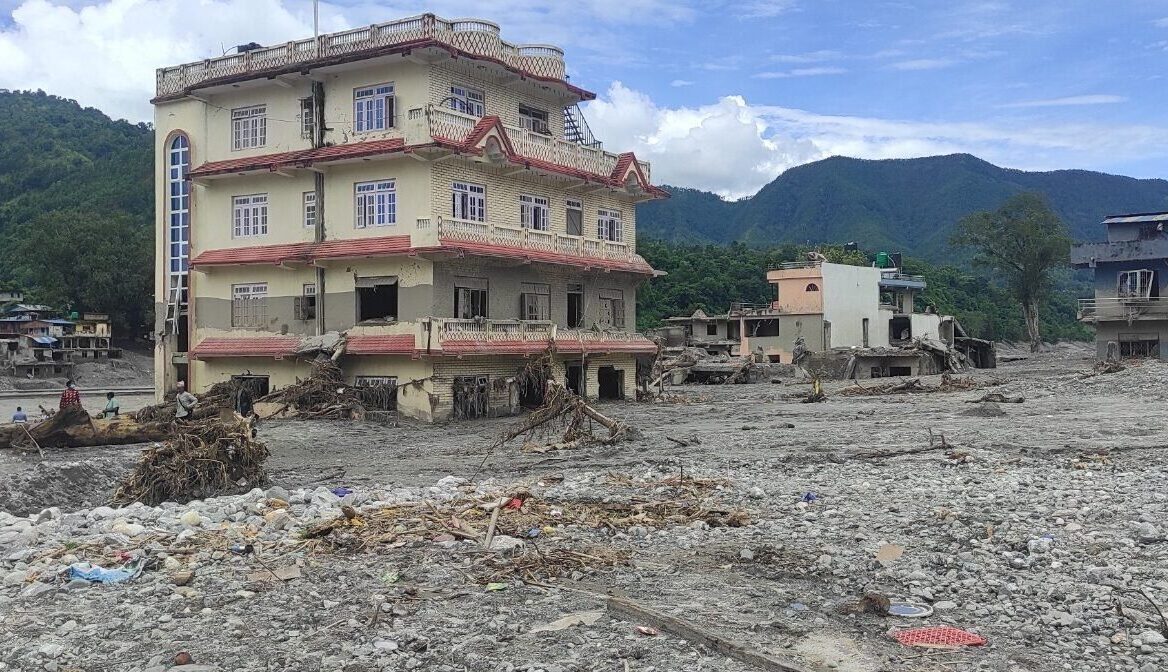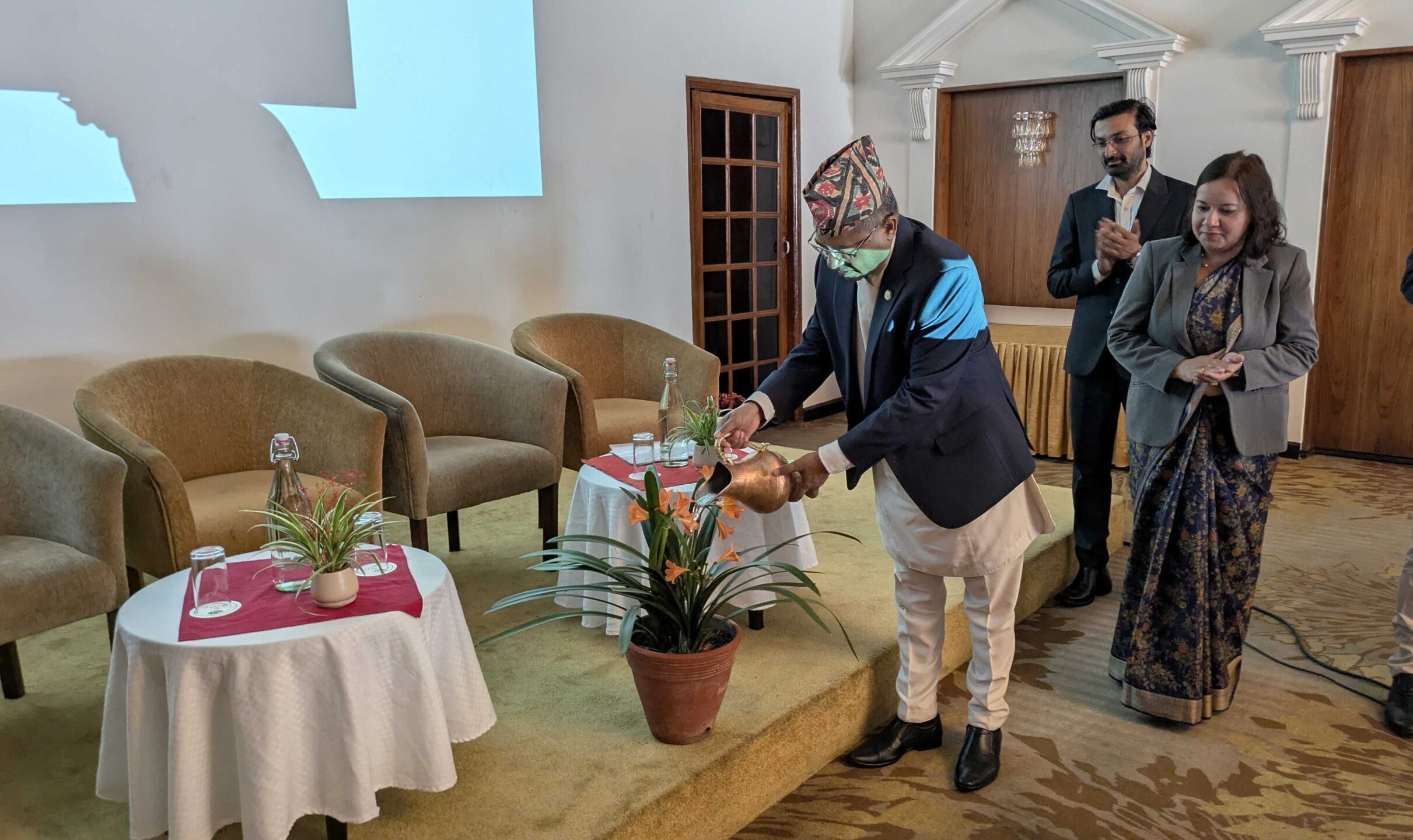
NNGWWW 2026 was held from 17 to 23 March 2026, aligned with global observances, including World Water Day with the theme “Gender and Water”, World Meteorological Day with the theme “Observing Today, Protecting Tomorrow”, and World Day of Glaciers, highlighted on addressing gender equality in water sector, the urgency of preparedness and acting immediately for glacier preservation and its implications for climate and water security.
The program aligned with the United Nations’ Decade of Action for Cryospheric Sciences (DACS 2025 – 2034) and contributed to broader global frameworks including SDG 6, the Sendai Framework for Disaster Risk Reduction, and the Paris Agreement. Nepal’s location within the Hindu Kush Himalayan region underscores the urgency of such efforts, as the country faces increasing risks from glacier retreat, climate variability, and water insecurity.
NNGWWW 2026 contributed to strengthening dialogue, capacity, and public awareness on water, glacier and climate issues in Nepal. It reinforced the need to address water challenges through integrated approaches that consider climate risks, governance systems, and social equity. The programme supported capacity building among students and early-career professionals, increased public engagement on cryosphere-related issues, and contributed to policy discussions in several aspects of water resources.
Pre-Week Events:
Webinar on Footprint Justice
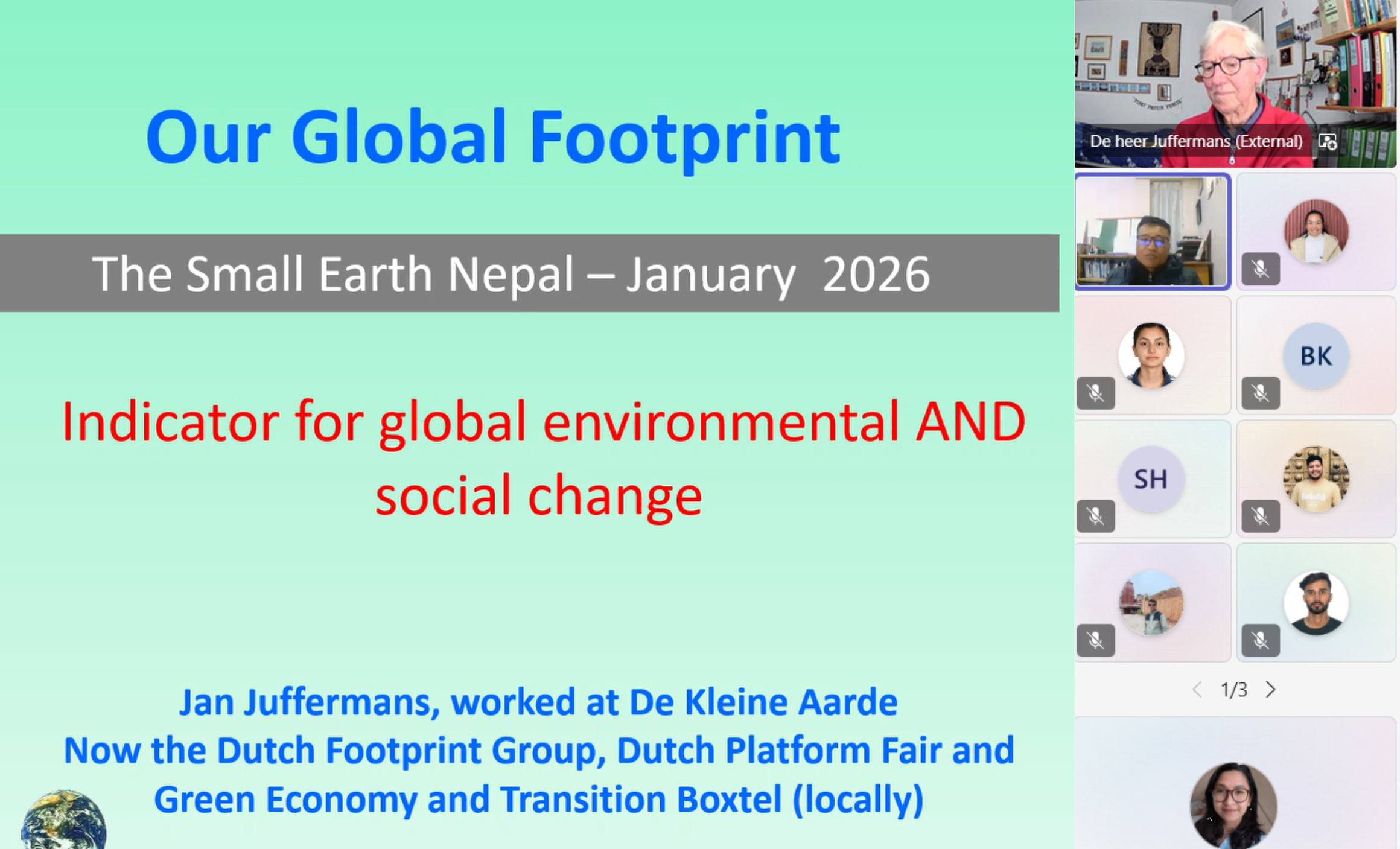
A webinar by Jan Juffermans, was organized on 23 January 2026, introduced the concept of footprint justice, highlighting the imbalance between regions that contribute minimally to global emissions and those that experience the greatest impacts. The session emphasized the need for equitable resource distribution and framed climate change as both an environmental and social justice issue. It also introduced alternative development approaches that prioritize sustainability and well-being.
Nature-based Solutions: Scaling Resilience in Nepal
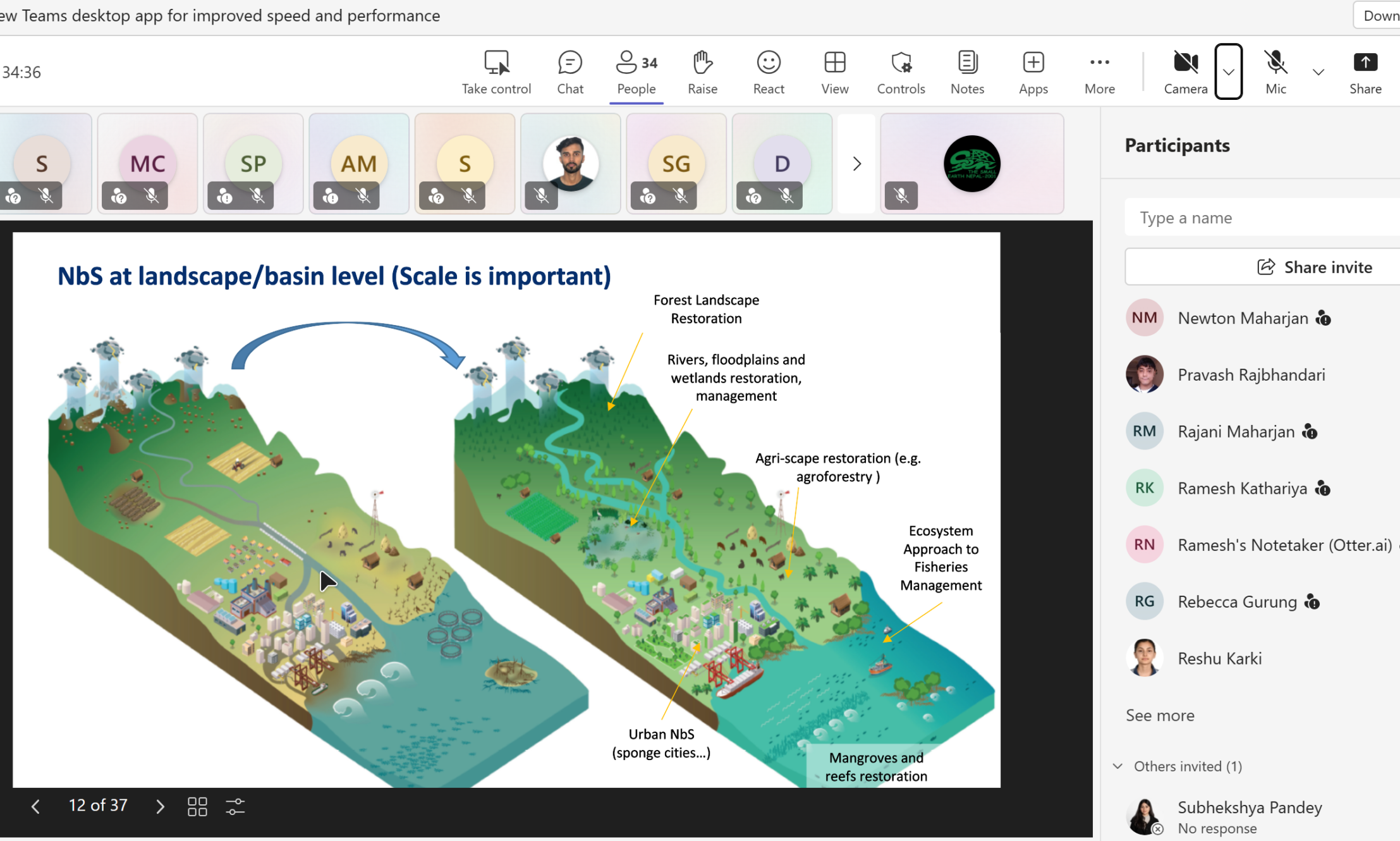
A webinar was organized on 13 March 2026 to explore Nature-based Solutions (NbS) and their role in building climate resilience within local communities. Mr. Vishwa Ranjan Sinha (Senior Programme Officer, Water and Wetlands, South Asia, Science and Strategy Group (SSG), IUCN Asia Regional Office) provided a regional perspective on NbS frameworks, while local practitioners presented case studies from Nepal, highlighting practical implementation. The session emphasized tailoring solutions to community needs, managing trade-offs between social and ecological outcomes, and integrating NbS into broader management strategies. Participants concluded that NbS can simultaneously safeguard natural resources and promote sustainable development when designed inclusively and contextually.
HiM-DATA Workshop: High-altitude Monasteries for Data Acquisition, Tracking and Awareness
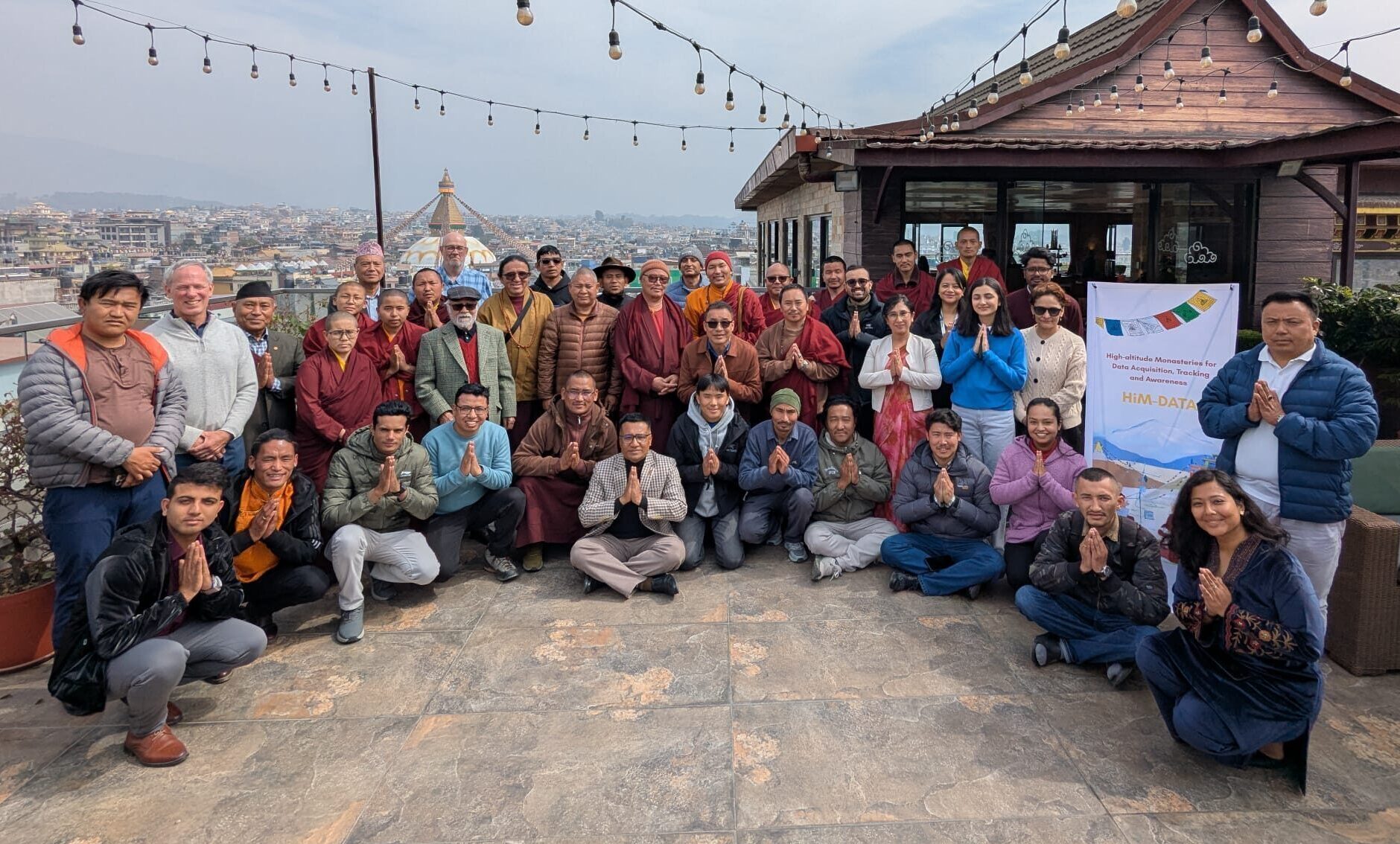
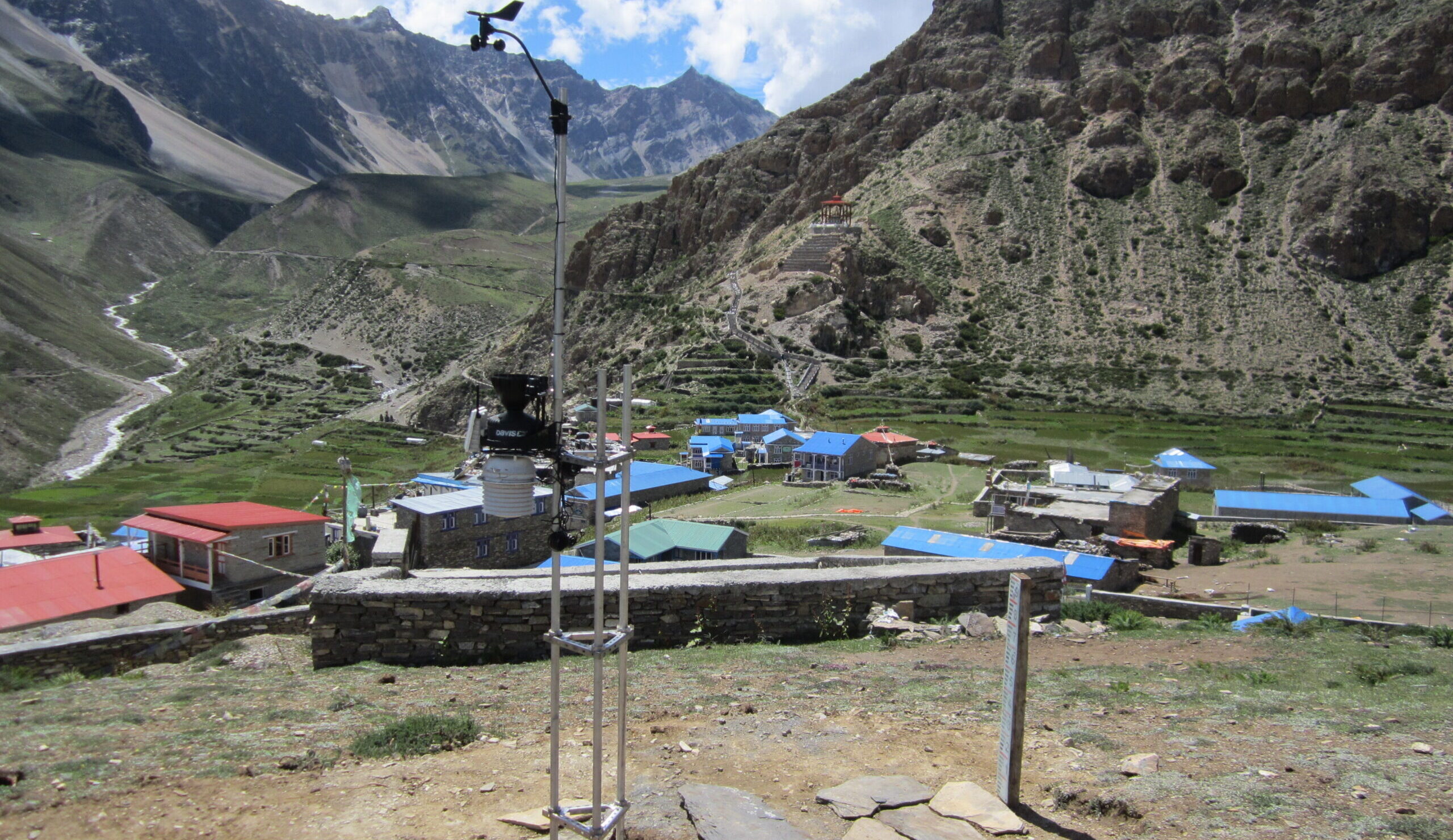
The HiM-DATA workshop, held from 18–20 February 2026 in Kathmandu, brought together government officials, researchers, and monastic communities to launch a pilot project for high-altitude climate monitoring in the Himalayas. The workshop emphasized integrating scientific methods with indigenous knowledge and community participation. A key milestone was the signing of a Memorandum of Understanding with Namkha Khyung Dzong Monastery, Humla to operationalize the pilot station. Discussions focused on technical planning, data gaps, community ownership, and scaling the initiative across Nepal’s mountain regions, reflecting a shared commitment to sustainable, locally grounded climate action.
Climate Data Analysis (CDA) Trainings
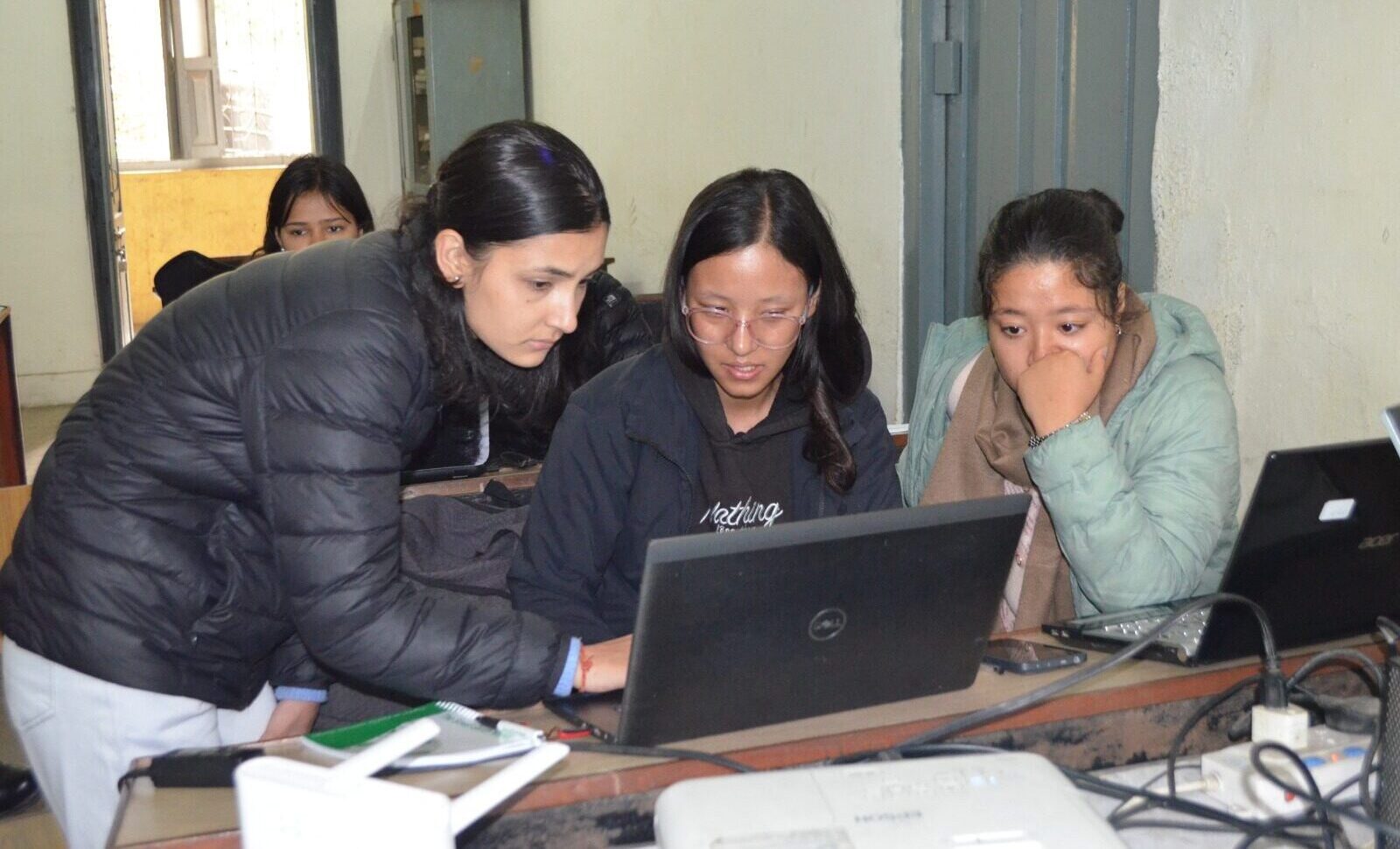
The first CDA training was conducted from 1 to 4 February 2026 at Tri-Chandra Multiple Campus, Kathmandu to strengthen the capacity of undergraduate meteorology students. Participants were introduced to climate data sources, processing techniques, and basic analysis methods through practical exercises. The training built foundational technical skills and supported the development of future climate professionals.
Similarly, a second CDA training was conducted on 8, 24 and 25 February 2026 at the Institute of Engineering, Pulchowk Campus, with a total of 19 participants. This training followed a structure similar to the first training while placing greater emphasis on hands-on practice and independent learning. This training covered Python for data analysis and installing Anaconda and using the PowerShell prompt.
In both trainings, participants independently downloaded ERA5 data for a climate variable of their choice at any temporal scale, focusing on Nepal. This strengthened their practical skills and enhanced their confidence in working independently with real-world climate datasets.
Week Events:
Faces of Ice Exhibition
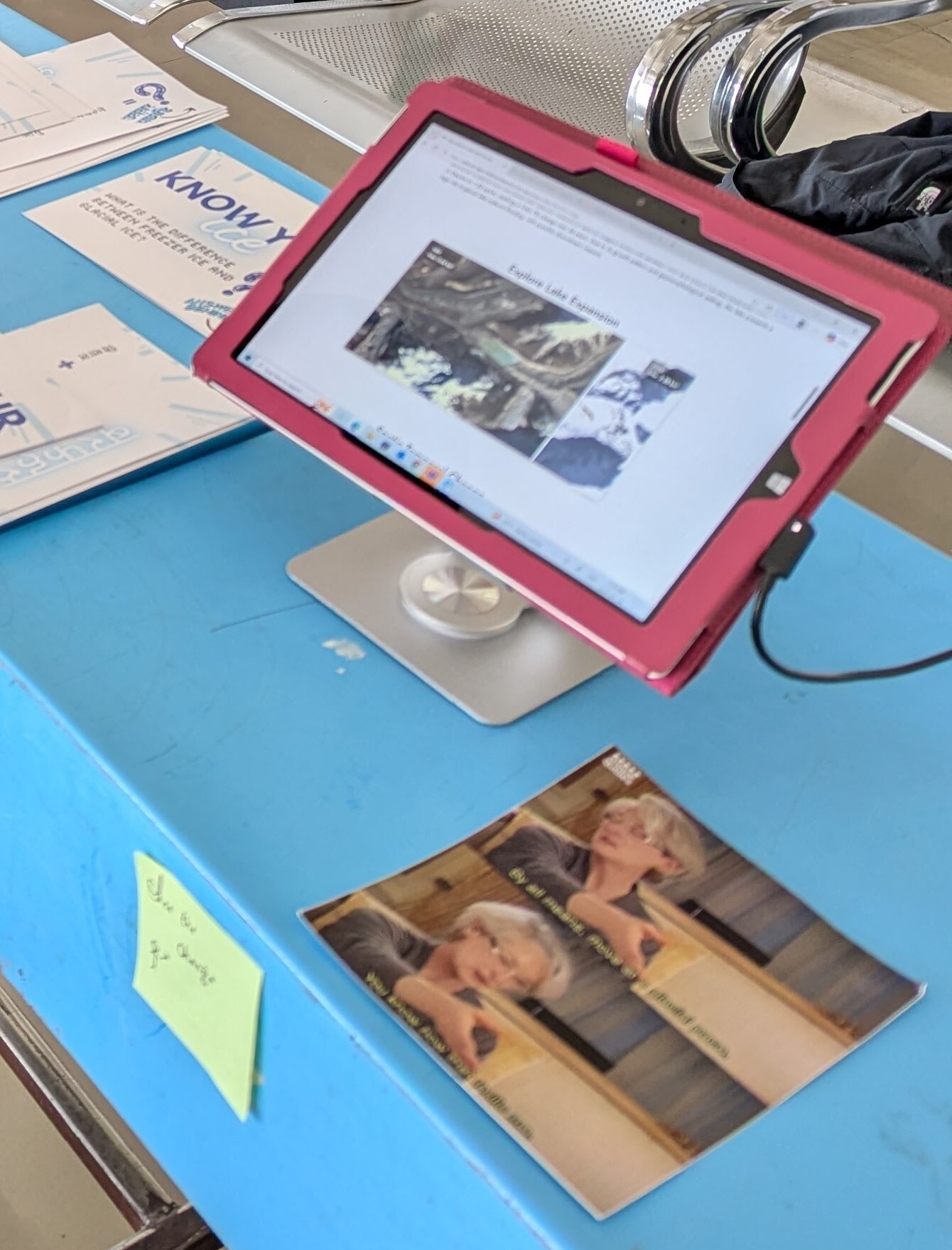
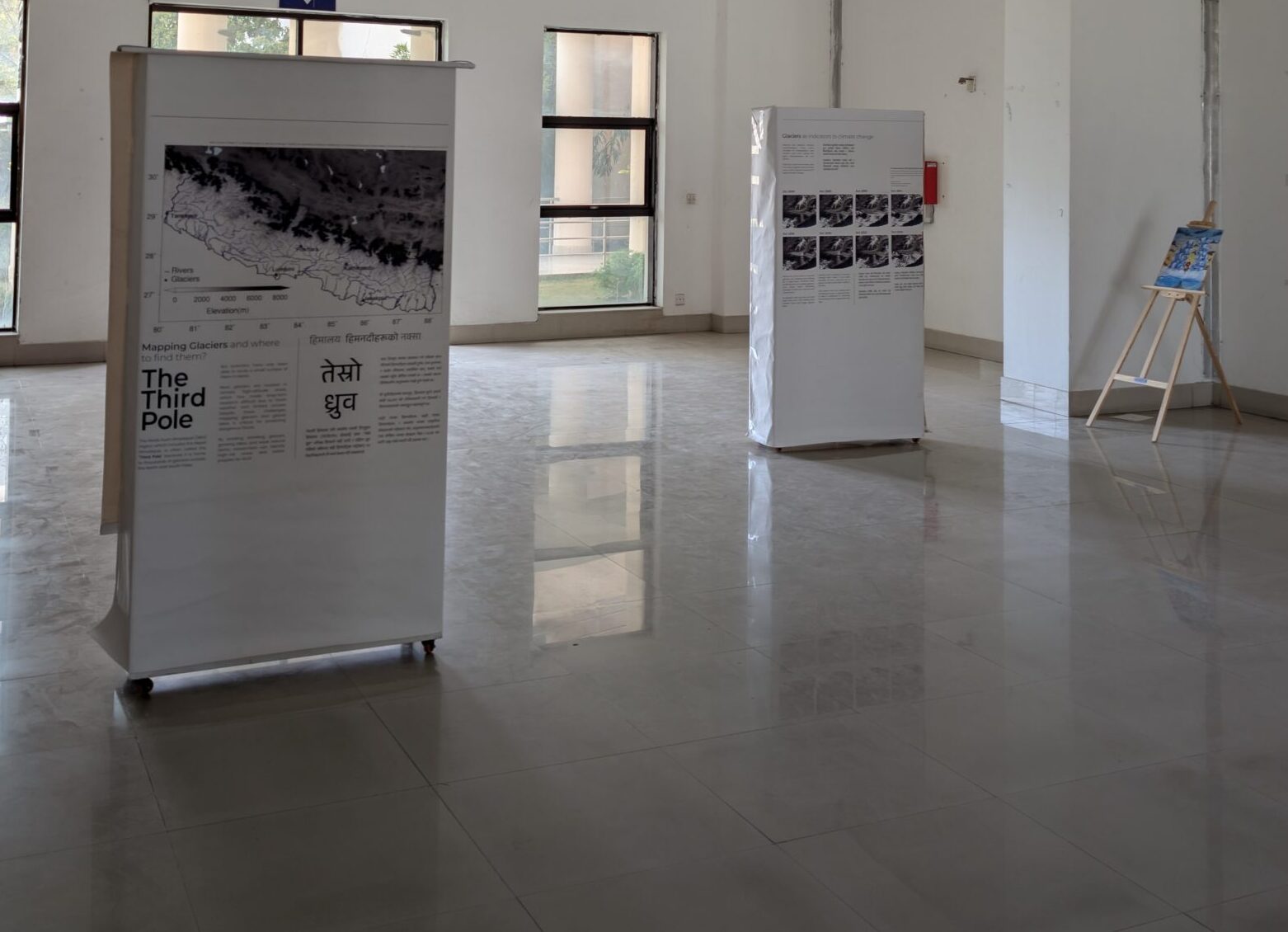
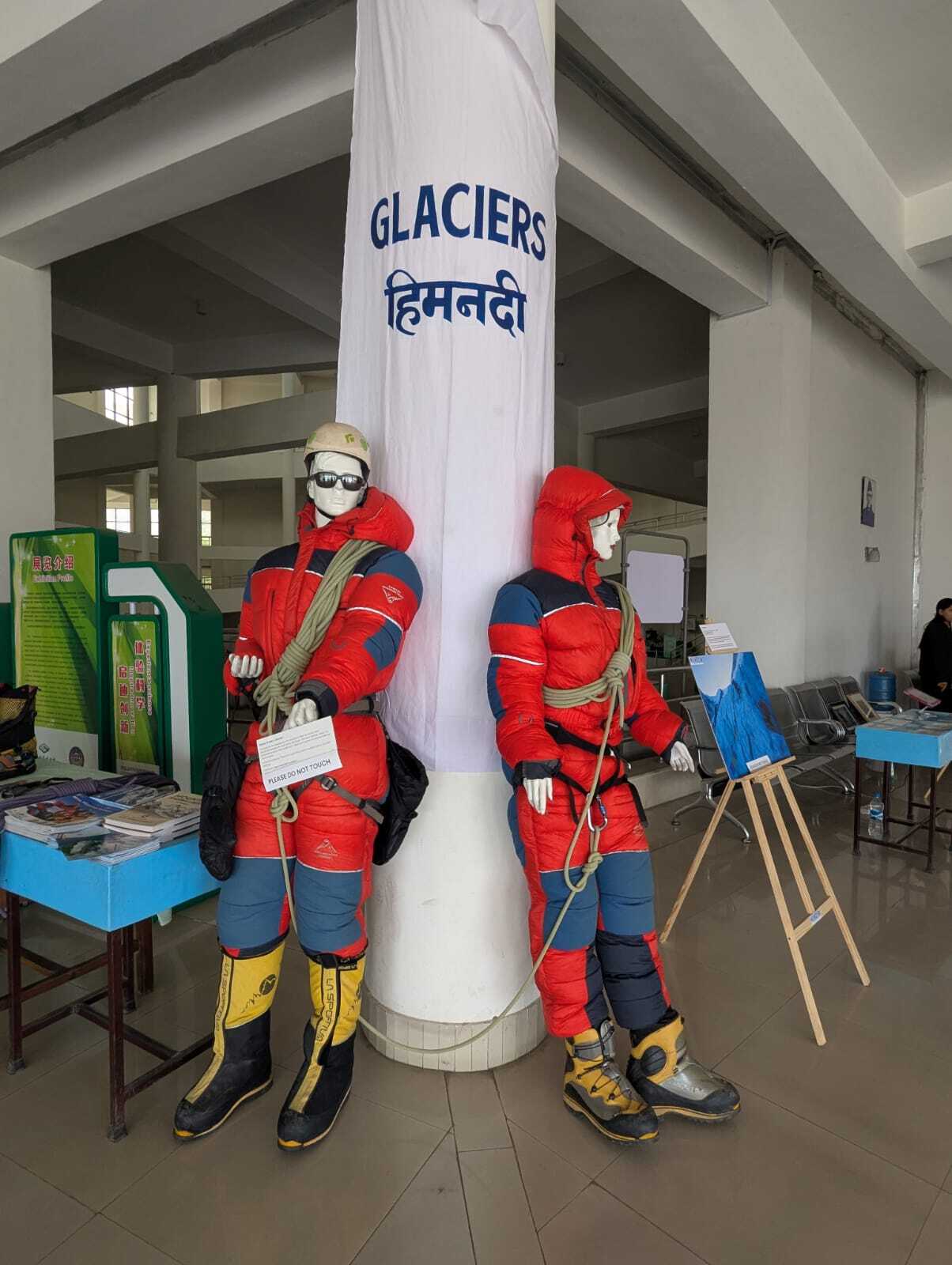
The Faces of Ice exhibition was held from 17 to 23 March 2026 at the BP Koirala Memorial Planetarium, Observatory and Science Museum in Kirtipur. It served as a public engagement platform to communicate the impacts of glacier retreat and climate change. The exhibition combined scientific information with visual and artistic elements, including interactive displays, satellite imagery, and cultural narratives. It helped translate complex scientific concepts into accessible formats and engage a wide audience, particularly students and youth.
Training on GIS Application in Watershed Management
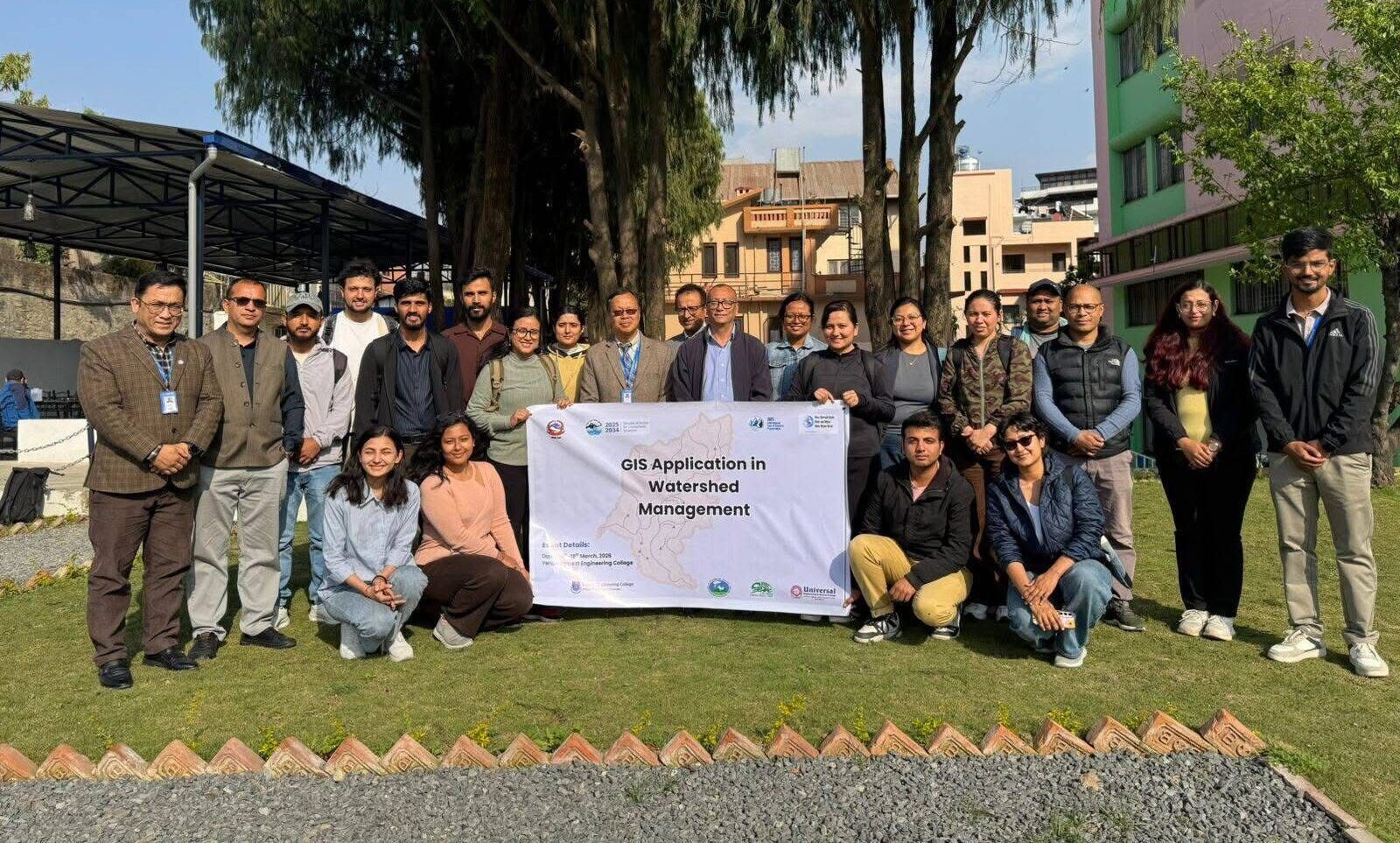
A two-day training held on 18 and 19 March 2026 focused on the use of Geographic Information Systems (GIS) in watershed analysis and management. Participants learned to apply spatial tools to assess environmental risks, map watershed characteristics, and identify hazard-prone areas. The training emphasized the role of geospatial data in supporting evidence-based planning and disaster risk reduction.
News/Media Coverage: एभरेष्टमा दुई दिने जिआइएस तालिम प्रारम्भ , एभरेष्टमा दुई दिने जिआइएस तालिम प्रारम्भ – News , जल तथा मौसम सप्ताह २०२६ सुरु | Nagarik News , एभरेष्टमा दुई दिने जिआइएस तालिम प्रारम्भ
National Water Symposium on Transforming Local Water Security
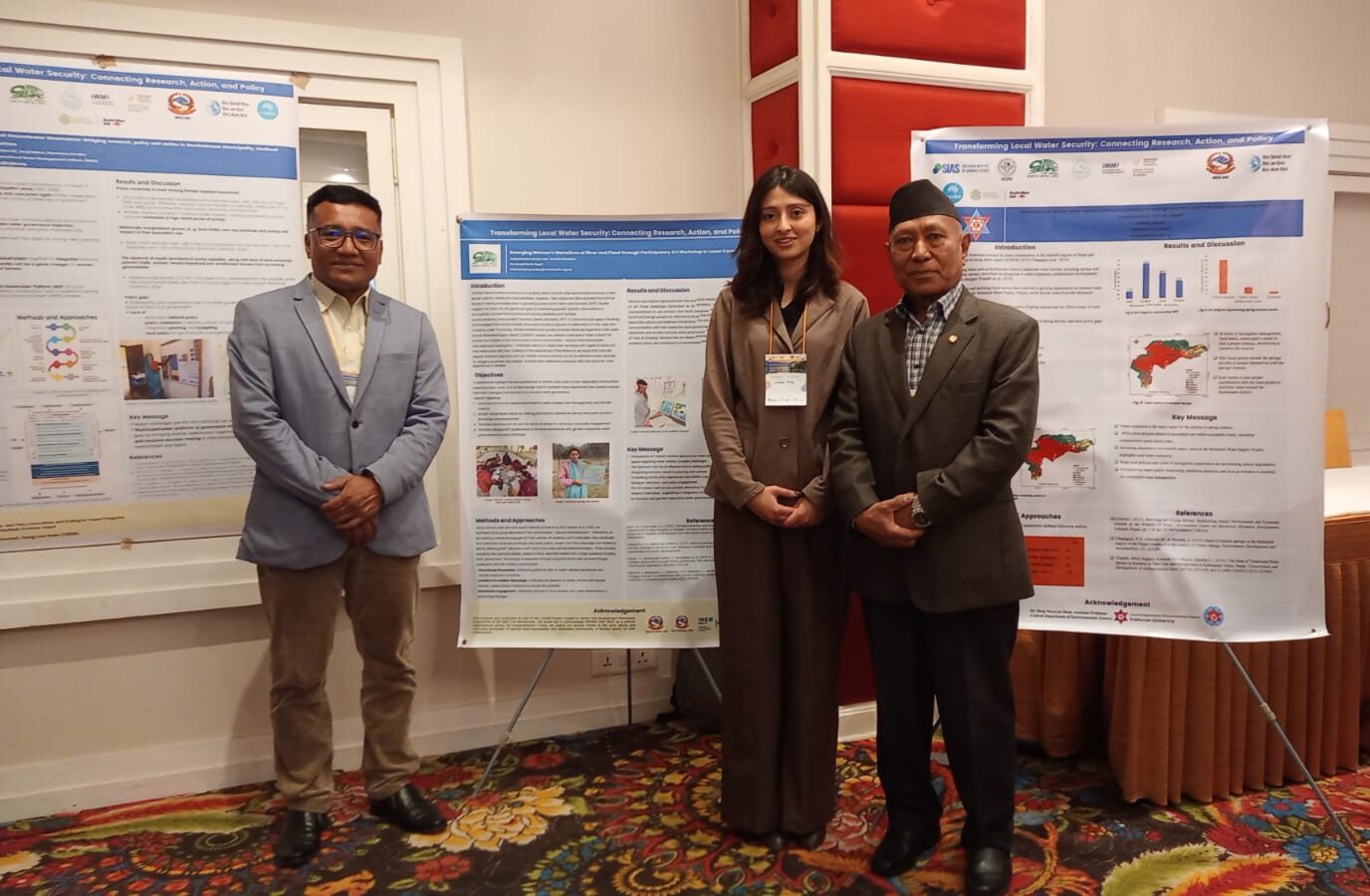
A national symposium on “Transforming Local Water Security,” brought together experts, policymakers, and practitioners to address pressing water challenges in Nepal. The event was structured into three thematic sessions. The first focused on local water systems and restoration, covering conservation practices, pollution, aquifer recharge, and the impacts of climate change on springs. The second explored inclusive water governance, emphasizing equity, gender roles, and institutional dynamics. The third session examined analytical tools for hydro-social governance, including discussions on glacial systems, hydropower, flood management, and mountain water security.
The symposium also featured research paper and poster presentations, showcasing ongoing work and practical insights from organizations and practitioners. A panel discussion highlighted the increasing pressures on water resources due to climate change, rapid urbanization, and unsustainable practices. Key concerns included drying springs, declining groundwater levels, and rising environmental risks. The symposium concluded with a strong call for more integrated and inclusive approaches, greater collaboration among stakeholders, and a need to translate research into actionable policies and community-level solutions to ensure long-term water security in Nepal.
Tracing Water: Hiti-Pukhu Sketch and Stroll – Creative Walk on Traditional Water Heritage
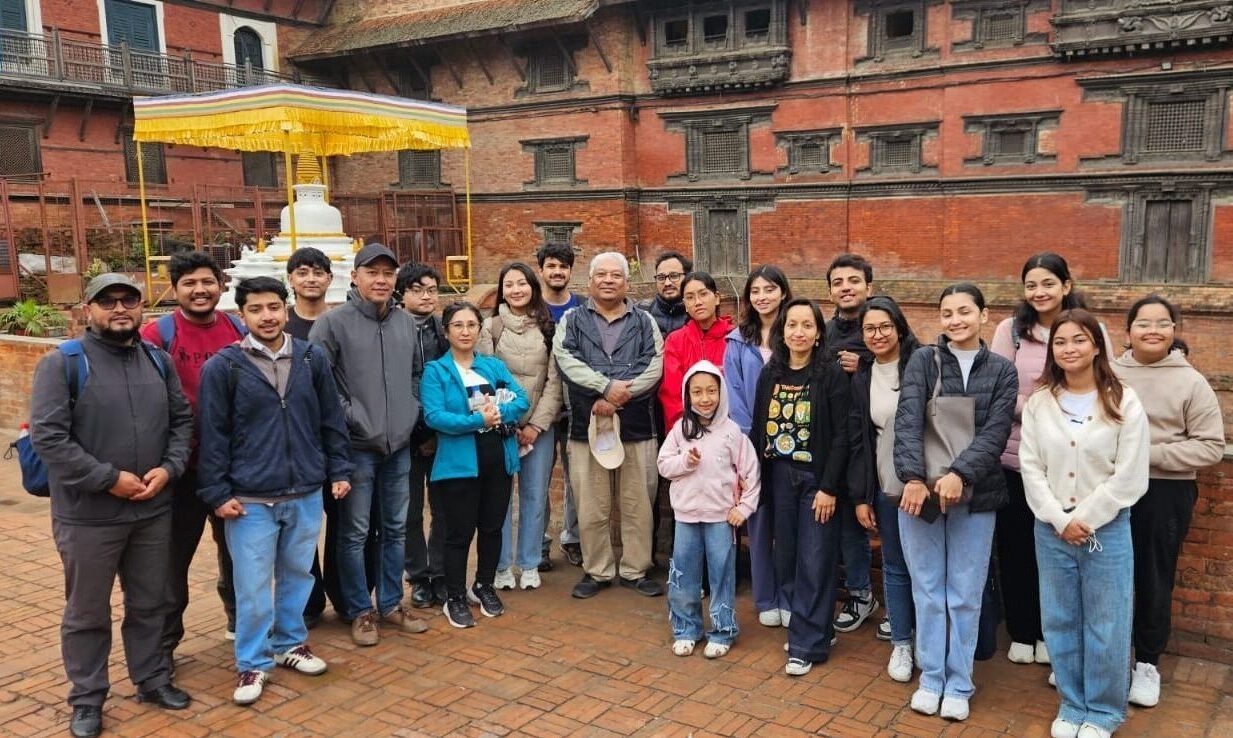
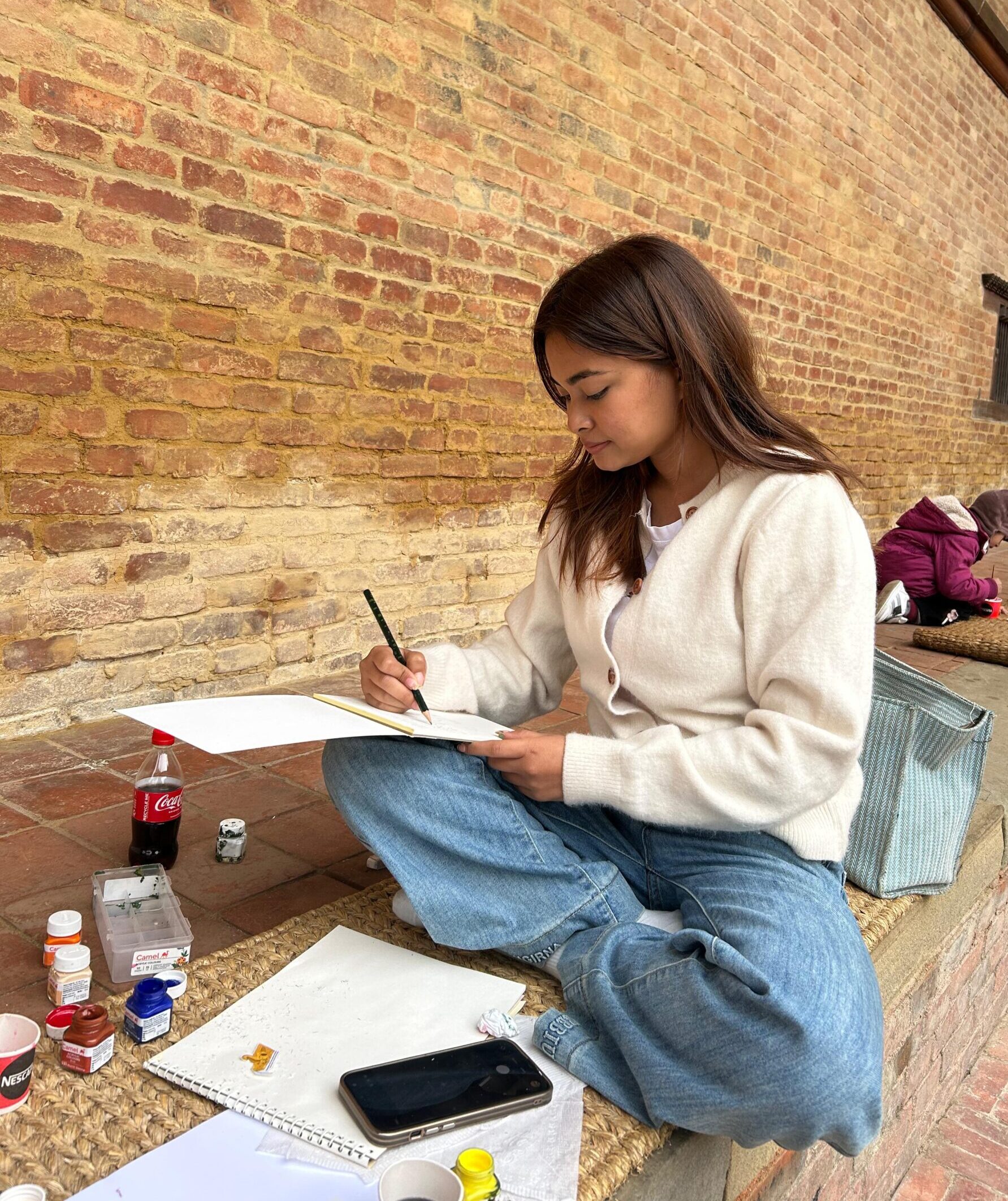
On 21 March 2026, a guided creative walk engaged 20 participants in exploring Lalitpur’s traditional water heritage, including Hitis (stone spouts) and Pukhu (ponds). Facilitated by Mr. Anil Chitrakar, conservationist and cultural heritage expert, the program combined heritage interpretation with participatory art, encouraging attendees to observe, reflect, and sketch these historic sites. The walk covered key locations including Mangal Bazar Hiti, Nagbahal Hiti, and Pimbahal Pukhu, with on-site explanations of their historical, cultural, and environmental significance. The event fostered participants’ awareness of traditional water management practices and their relevance amid urbanization and climate change through on-site discussions.
Environmental Camps for Conservation Awareness (ECCA) Youth Event
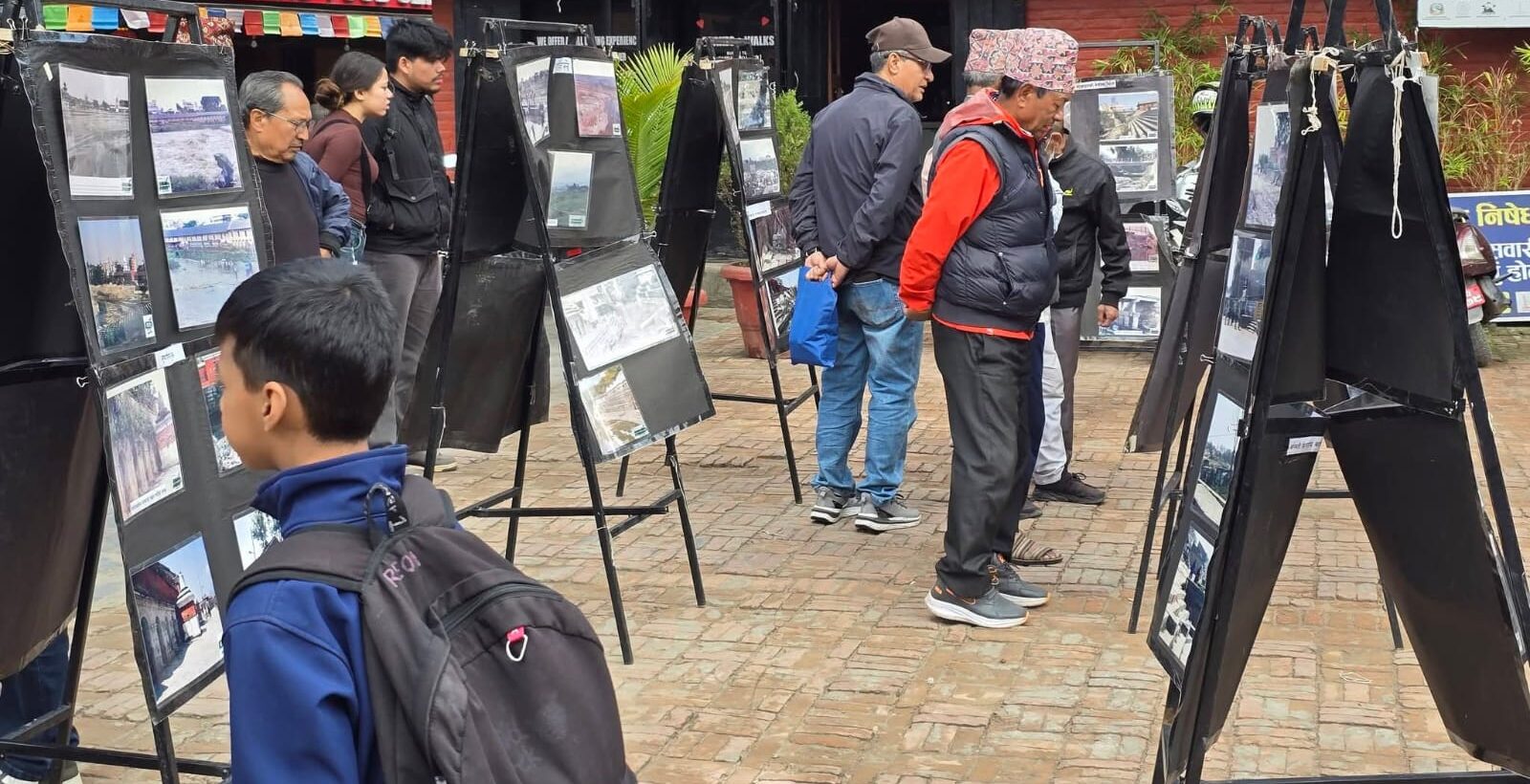
The ECCA Youth Event was conducted on 22 March 2026 at Mangal Bazar, Patan, marking World Water Day. Centered on the theme “Where Water Flows, Equality Grows,” the program brought together youths, counselors, and community members to raise awareness on water conservation and its importance for people, nature, and future generations. The event featured a variety of engaging activities, including dance, singing, games, a photo exhibition, water test result sharing, and a creative presentation, making it both informative and enjoyable.
Second National Water Conference
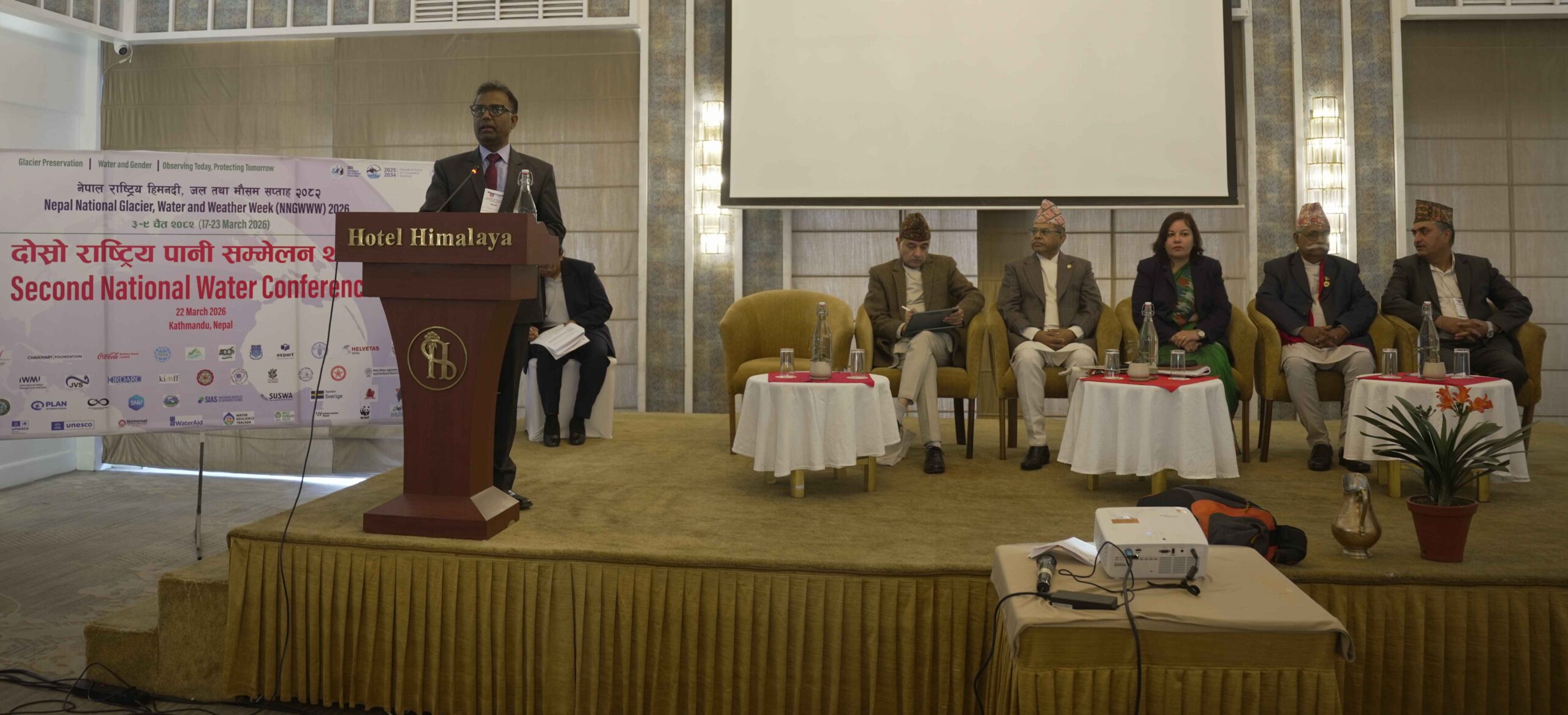
Led by WECS and National Federation of Irrigation Water User’s Association, Nepal (NFIWUAN), the Second National Water Conference, held on March 22, 2026, on the occasion of World Water Day, in Kathmandu, brought together over 238 participants, including government ministers, climate experts, and grassroots community leaders to address the intersection of water management and social equity. The conference centered on the theme “Where Water Flows, Equality Grows”. Discussions highlighted the stark reality that while 52% of Nepal’s agricultural labor is performed by women, they remain largely excluded from water governance and technical leadership.
A major milestone was the adoption of the Kathmandu Declaration 2082, a five-point commitment to transition toward evidence-based digital water accounting, ensure women’s leadership in WASH sectors, and prioritize climate grants over loans for high-altitude resilience. The event emphasized integrating indigenous knowledge with modern technology and foster a “Community of Practice” to ensure sustainable, climate-resilient, and “water-inclusive” policy implementation across Nepal.
Additionally, the UN World Water Development Report (WWDR) 2026 and its Nepali translation of the Executive Summary and Facts and Figures were officially launched during the conference.
Third National Symposium on the Cryosphere
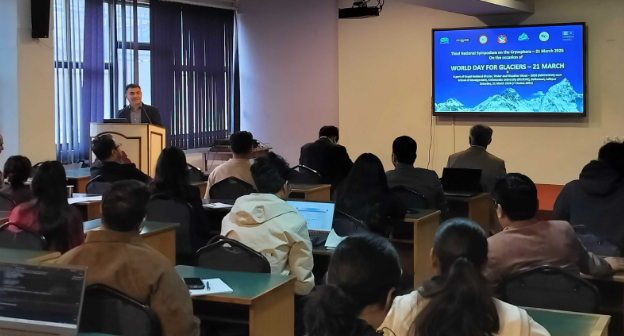
The Third National Symposium on the Cryosphere, organized by the Himalayan Cryosphere, Climate and Disaster Research Center (HiCCDRC) at the Department of Environmental Science, Kathmandu University, on 21 March 2026, World Day of Glaciers. This event marked the final day of the International Year of Glacier Preservation and aligned with the Decade of Action for Cryospheric Sciences (2025 – 2034).
Sessions highlighted recent advances in cryosphere research across the Himalayas, covering Glacial Lake Outburst Flood (GLOF) modeling, hydropower sensitivity to climate change, rock-glacier and permafrost assessments, and long-term glacier evolution under changing climatic conditions. The symposium reinforced the importance of scientific collaboration for understanding and responding to rapid cryospheric change. Partners included The Small Earth Nepal (SEN), United Nations Educational, Scientific and Cultural Organization (UNESCO), the Department of Hydrology and Meteorology (DHM) Nepal, International Centre for Integrated Mountain Development (ICIMOD), and Hydrominds, collectively contributing to enhanced climate resilience and knowledge sharing across the Himalayan region.
Post-Week Events
The 14th National Groundwater Symposium
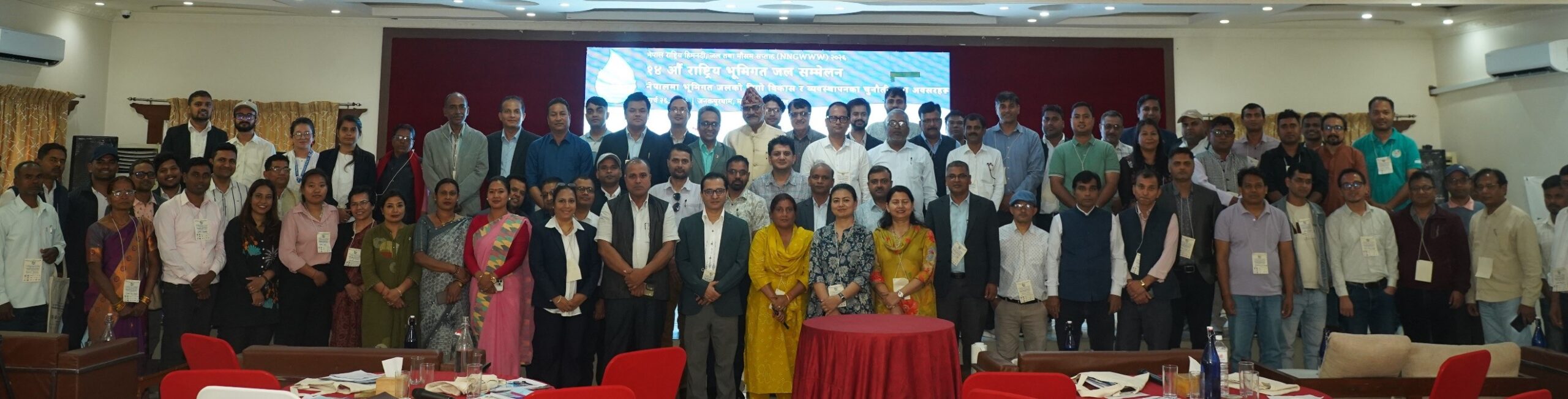
The 14th National Groundwater Symposium was held in Janakpurdham on 26 March, as part of NNGWWW 2026, drawing 151 participants including policymakers, scientists, and development partners. Convened under the theme “Challenges and Opportunities for Sustainable Management of Groundwater Resources in Nepal,” the symposium, initiated in 2009 by the Center of Research for Environment, Energy, and Water (CREEW) and SEN has grown into a key national platform for addressing groundwater governance.
Against the backdrop of a historic drought affecting Madhesh Province, discussions centered on urgent reforms in groundwater policy, sustainable extraction practices, and the growing pressures of climate change, urbanization, and population growth on Nepal’s groundwater resources. Participants called for strengthened coordination between government agencies, research institutions, and communities to ensure the long-term sustainability of this critical but often invisible freshwater resource.
News/Media Coverage: Madhes groundwater crisis takes center stage , चौधौँ राष्ट्रिय भूमिगत जल सङ्गोष्ठी सम्पन्न – Butwal Today Butwal Today , चौधौँ राष्ट्रिय भूमिगत जल संगोष्ठी सम्पन्न | Corporate Samachar
Go Glaciers Run Event
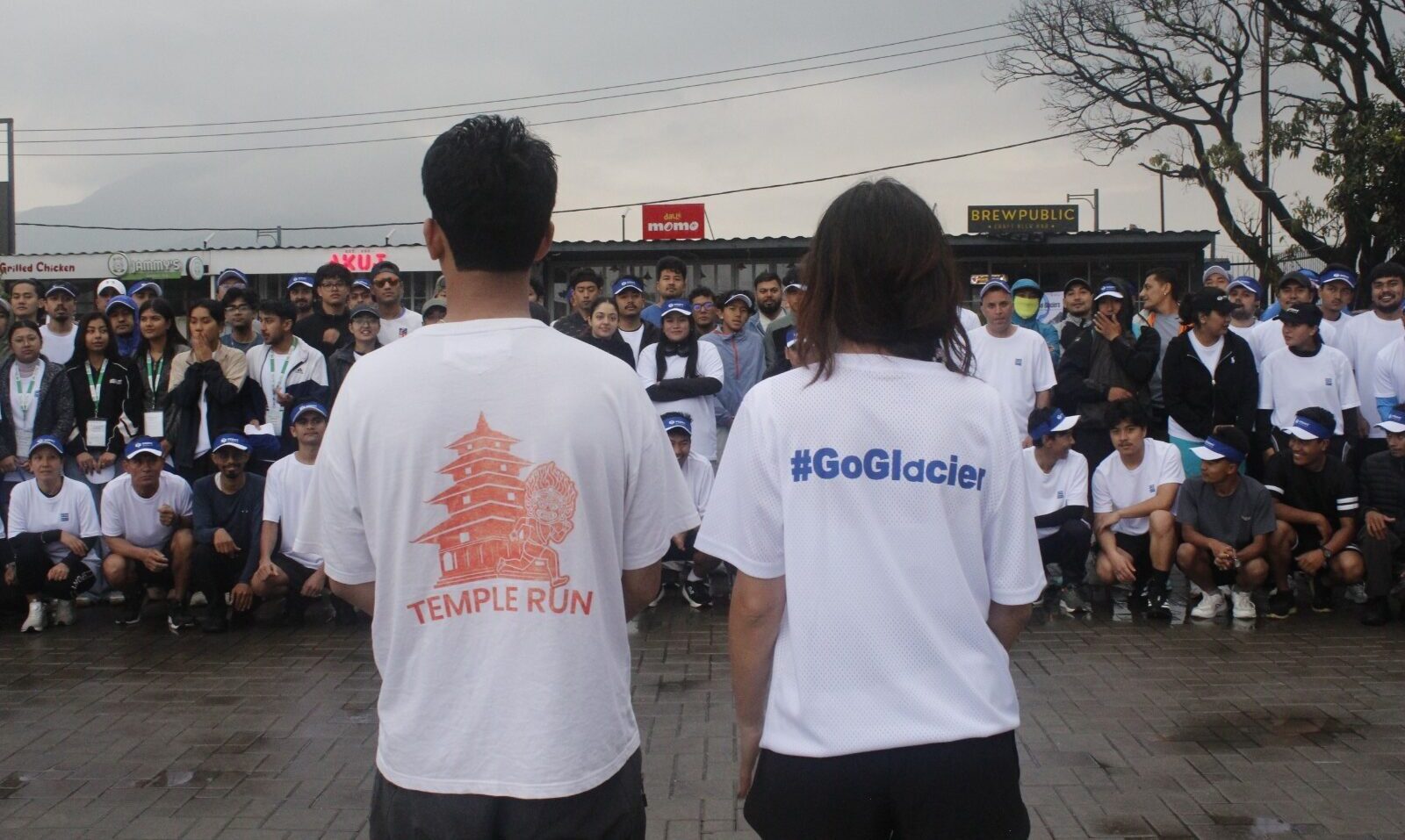
The #GoGlaciers run event was held on 28 March 2026 in Maharajgunj, Kathmandu. The event was organized by SEN in collaboration with Temple Run. The event’s reach and execution were supported by Expert Education and Visa Services, KTM City, SNV Nepal, Water Aid Nepal, Youth Alliance for Environment (YAE), and the UNESCO Chair in the Mountain Cryosphere and Water. The event aimed to raise awareness of glacier preservation and climate change.
This running event engaged over 150 participants and established a platform for climate advocacy. The message was also spread through social media, reaching numerous viewers. The event was supported by multiple partner organizations and included interactive activities that encouraged community engagement. It contributed to strengthening public awareness on glacier loss and its implications for water security.
Nadi ra Nari
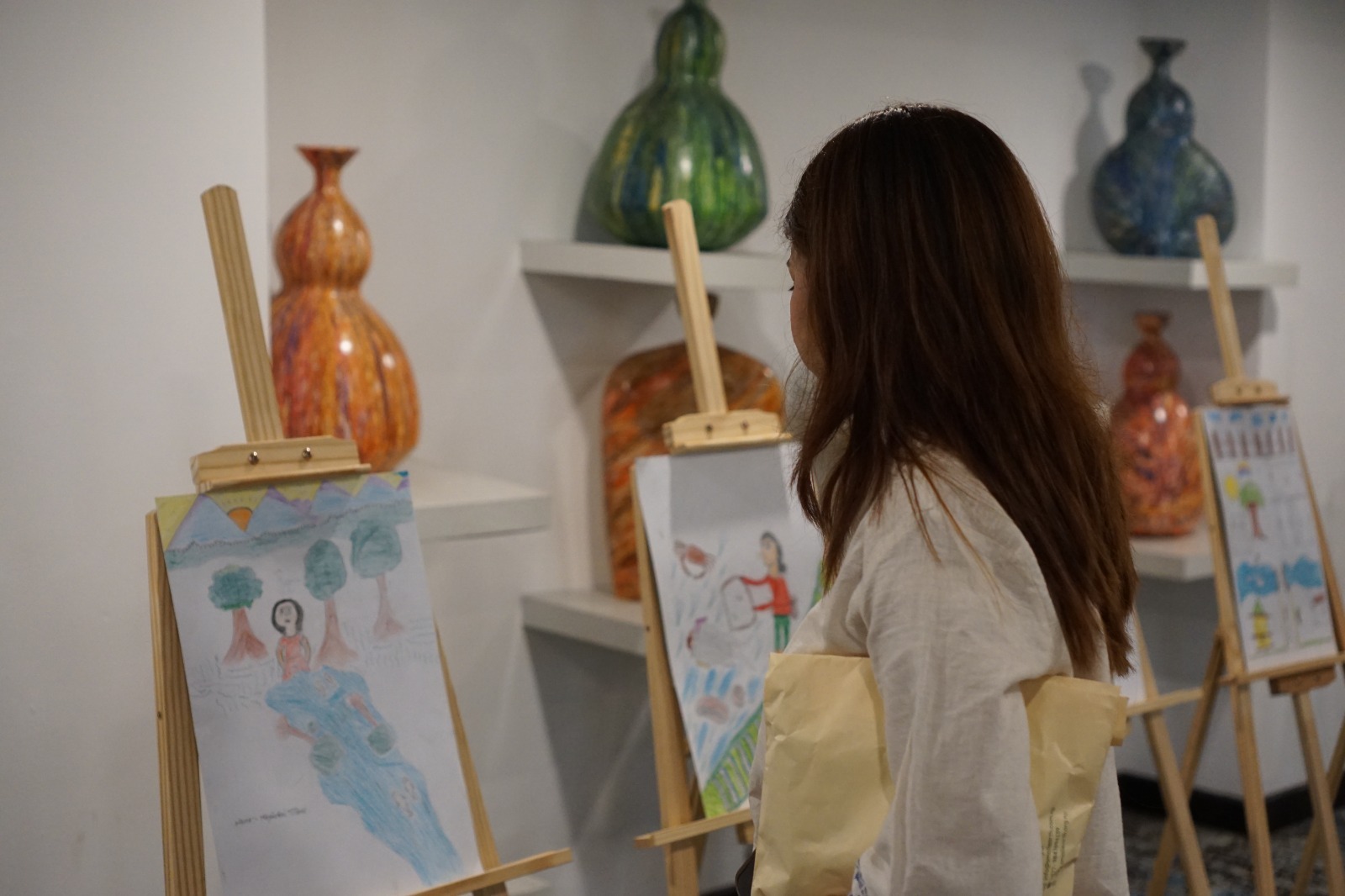
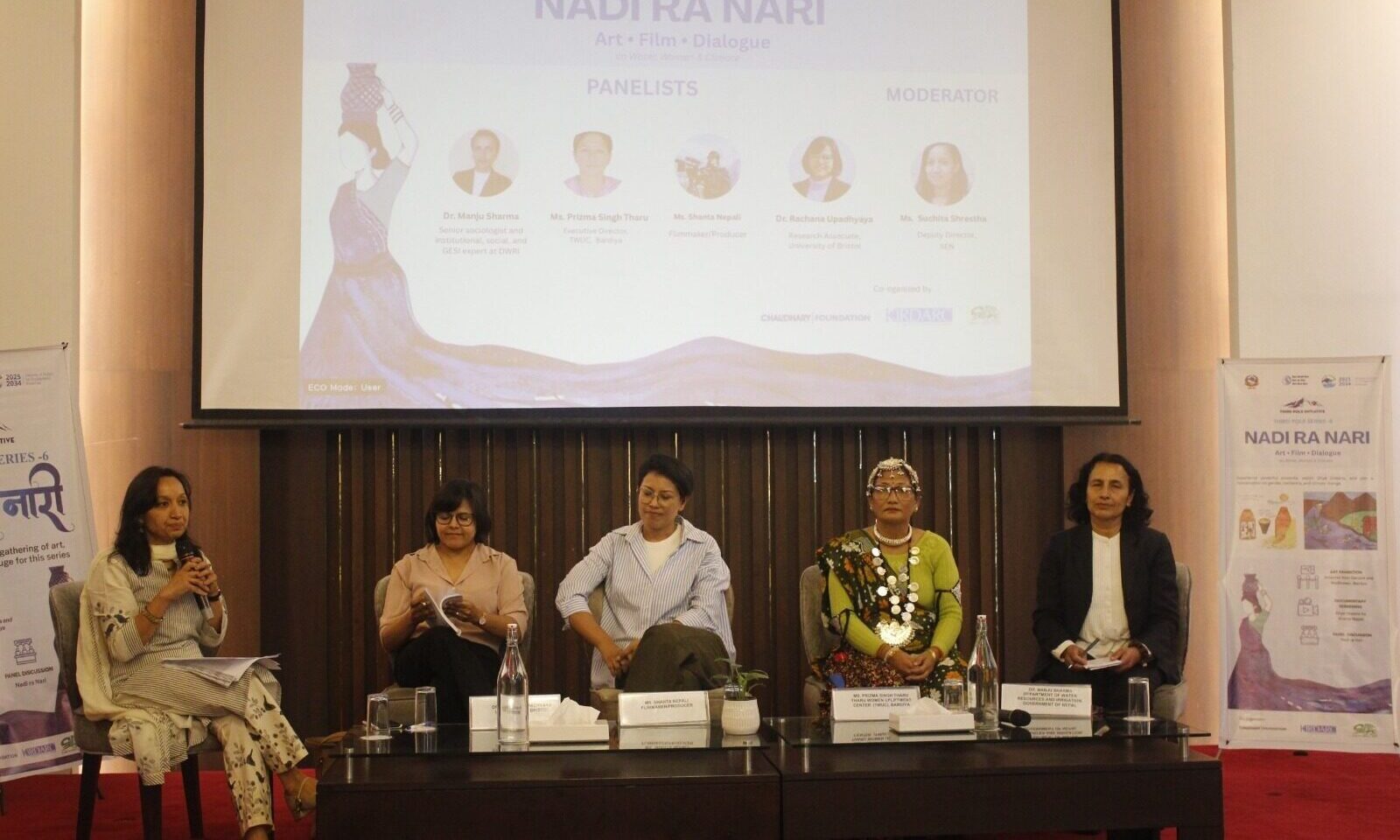
The “Nadi & Nari” event, held on 26 March 2026 under the Third Pole Series, focused on the relationship between river systems and women in climate-affected communities. Organized by SEN in collaboration with Karnali Integrated Rural Development and Research Centre (KIRDARC) and Chaudhary Foundation, the event highlighted the gendered dimensions of water governance and climate resilience.
The programme combined creative expression and dialogue to ground discussions in lived experiences. An art exhibition by women and children from Bardiya and a documentary screening illustrated how communities are adapting to shifting river systems, water scarcity, and climate-induced displacement. These elements helped frame the subsequent panel discussion by bringing forward voices and realities often underrepresented in formal policy spaces.
The panel discussion emphasized that women bear a disproportionate burden in managing water resources at the household and community levels yet remain largely excluded from decision-making processes. It highlighted how indigenous knowledge systems and collective local action play a critical role in building resilience, particularly in river-dependent and marginalized communities. At the same time, participants stressed the gap between policy frameworks and on-the-ground realities, calling for a shift from symbolic representation toward meaningful participation of women in water governance.
A key takeaway from the session was that storytelling, local knowledge, and community voices are not supplementary but central to shaping effective and inclusive water policies. The discussion reinforced that sustainable water management in Nepal requires integrated, gender-responsive approaches that recognize women as key agents of change, rather than passive stakeholders.
NNGWWW served as a reminder for all stakeholders to highlight the importance of water, glaciers, and weather issues. The event not only provided a platform for networking and knowledge exchange but also provided an opportunity to leverage the resources and skills among the stakeholders. It also helped strengthen linkages between research and policy that will be important for sustaining the impact of the initiative and showcased solutions that can be scaled up to improve water management and glacier preservation. Moving forward, continued efforts and collective actions are needed to strengthen institutional collaboration among the stakeholders involved in NNGWWW.