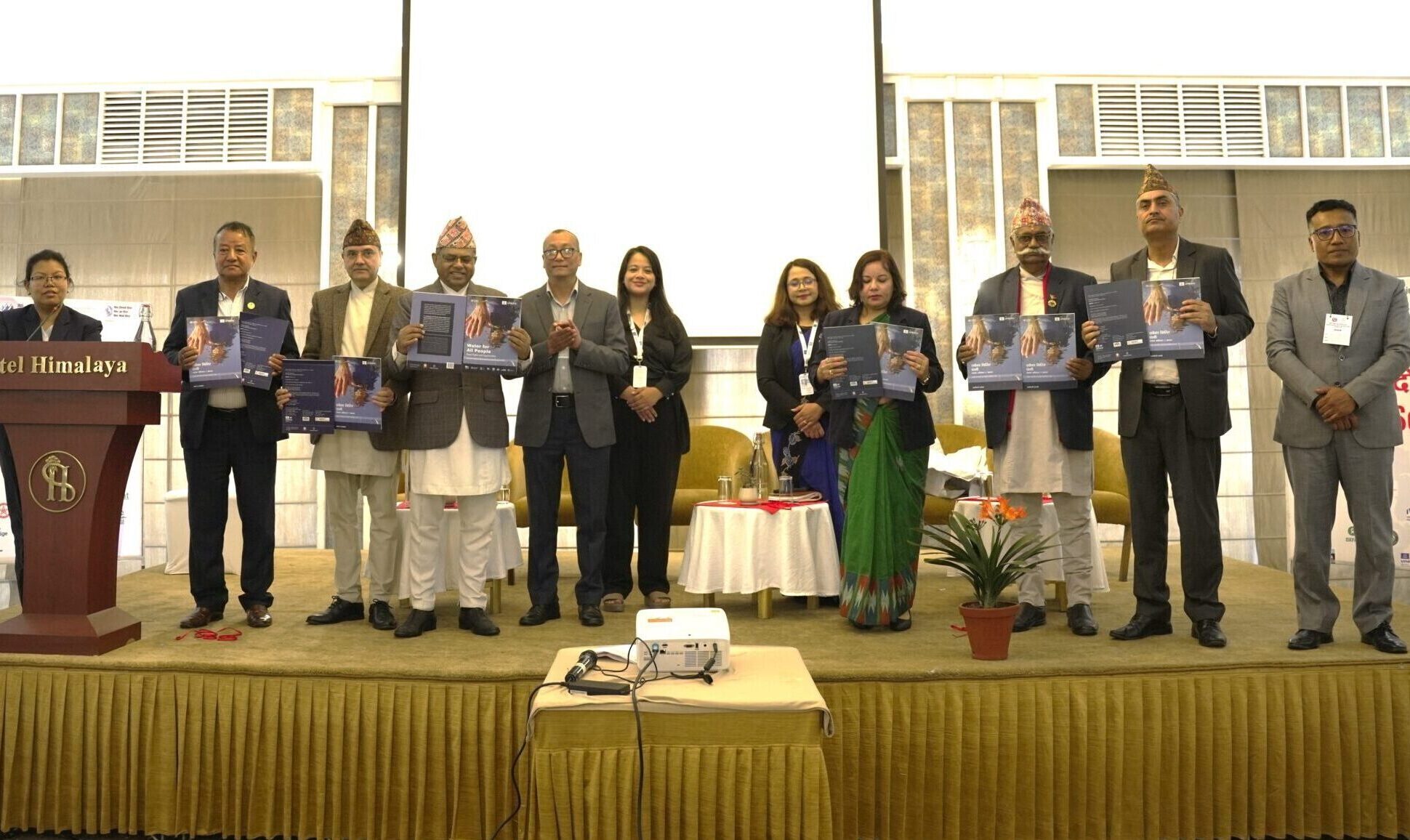
Marking World Water Day 2026, the United Nations World Water Development Report 2026 (WWDR 2026) was officially launched in Nepal, featuring the Nepali translation of the report’s Executive Summary and Facts and Figures. The launch took place during the Second National Water Conference, an event held under the Nepal National Glacier, Water and Weather Week (NNGWWW) 2026 on 22 March. Centered on the theme “Water for All People: Equal Rights and Opportunities,” the report highlights access to water as a fundamental human right and calls for inclusive and equitable water governance.
The Small Earth Nepal is honored to have actively contributed to the Nepali translation and dissemination of the report, including its Facts & Figures and Executive Summary, in collaboration with UNESCO Nepal and Madan Bhandari University of Science and Technology (MBUST). We extend our sincere thanks to UNESCO for providing this valuable opportunity.
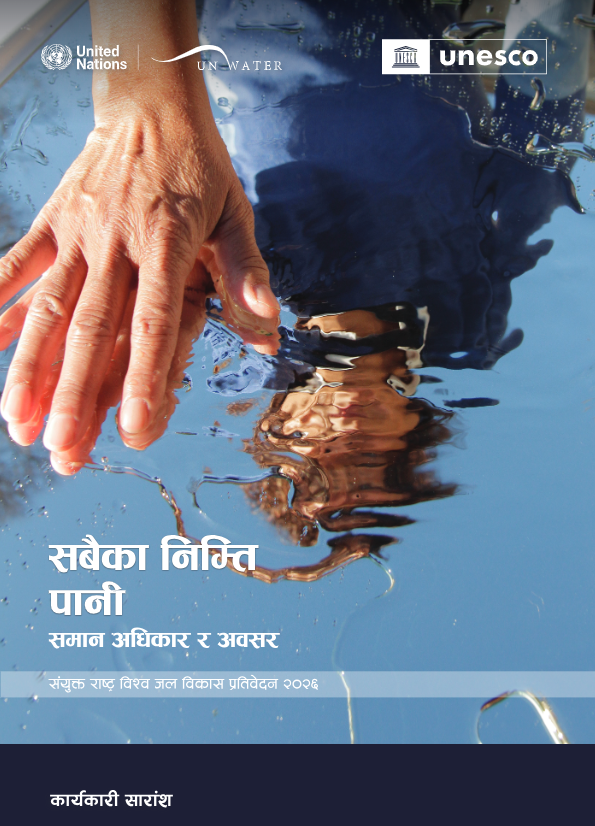
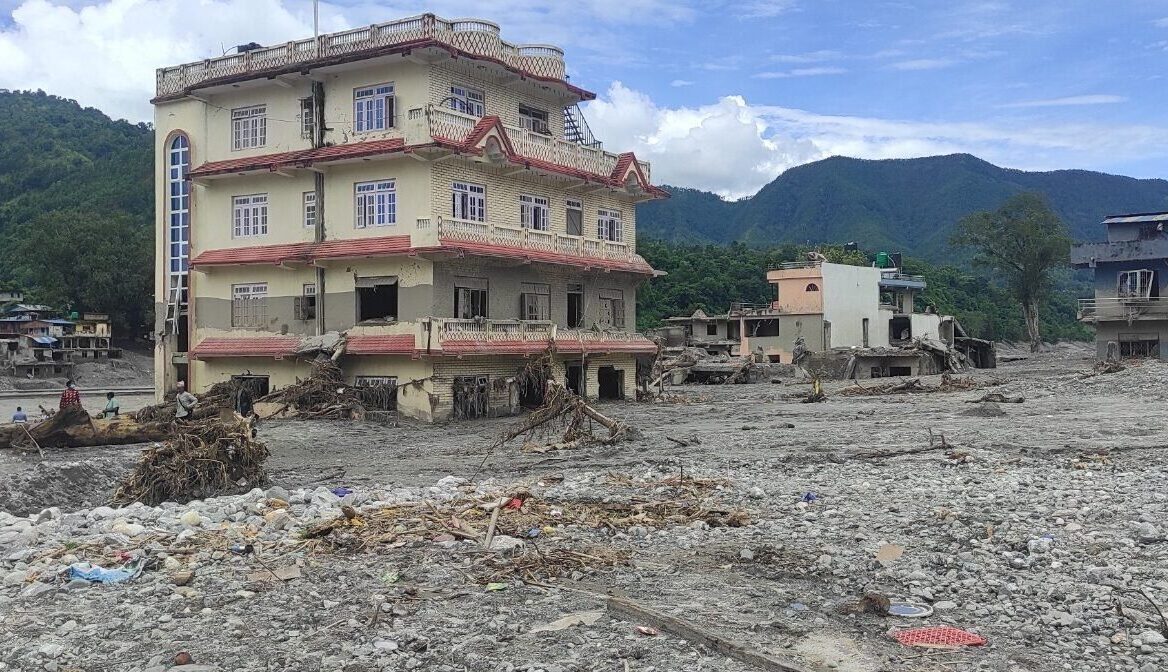
The report draws attention to the inequalities in access to water and sanitation, and how these gaps continue to affect health, education, livelihoods, and safety. Around 2.1 billion people still do not have safely managed drinking water, while women and girls collectively spend hours every day collecting water. The report shows that climate change, water scarcity, and disasters are worsening these challenges, with gender-based disparities playing a central role. It also highlights how social roles and unequal access to resources shape how people experience water-related risks, while emphasizing the often-overlooked knowledge and contributions of women in managing water and ecosystems.
In response, the report calls for a shift toward more inclusive and equitable water governance that fully integrates gender considerations across policies, institutions, and investments. It emphasizes the need for gender-responsive policies, budgeting, and stronger data systems, particularly the collection of sex-disaggregated data, to better understand and address inequalities. The report also stresses the importance of education and capacity development, especially in Science, Technology, Engineering, and Mathematics (STEM) fields, to support women’s leadership in the water sector. By recognizing local and Indigenous knowledge, strengthening participation, and embedding gender perspectives in climate adaptation and disaster risk management, the report outlines practical pathways toward more resilient and sustainable water systems. At its core, it makes clear that advancing gender equality is not separate from water management, but essential to achieving long-term, inclusive development outcomes.
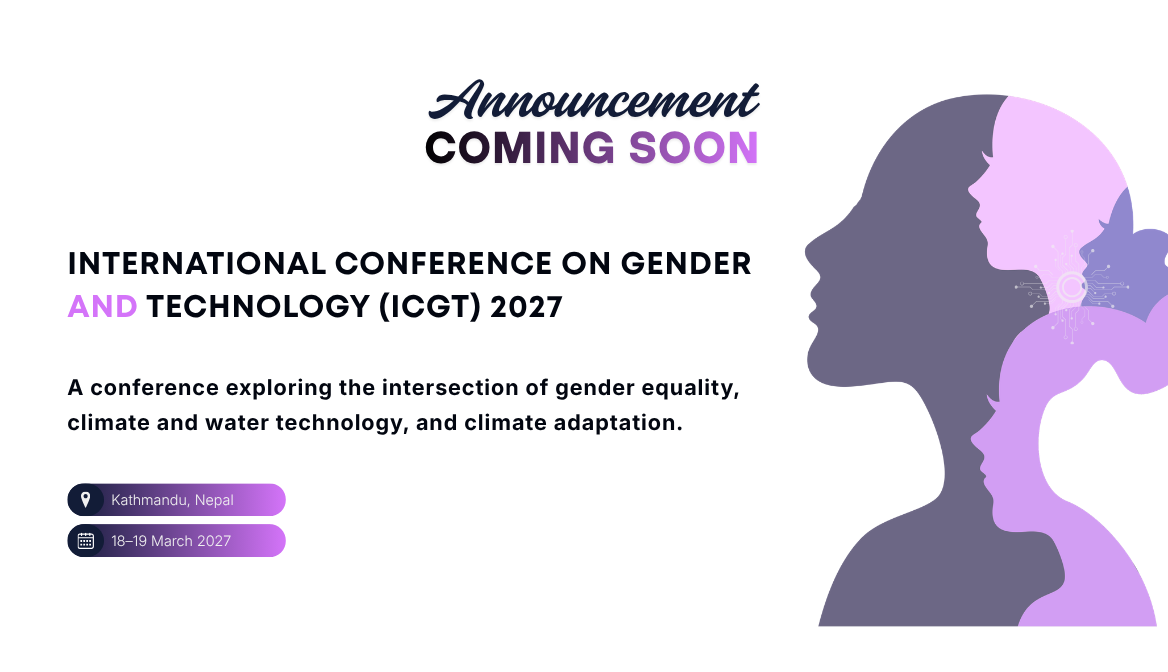
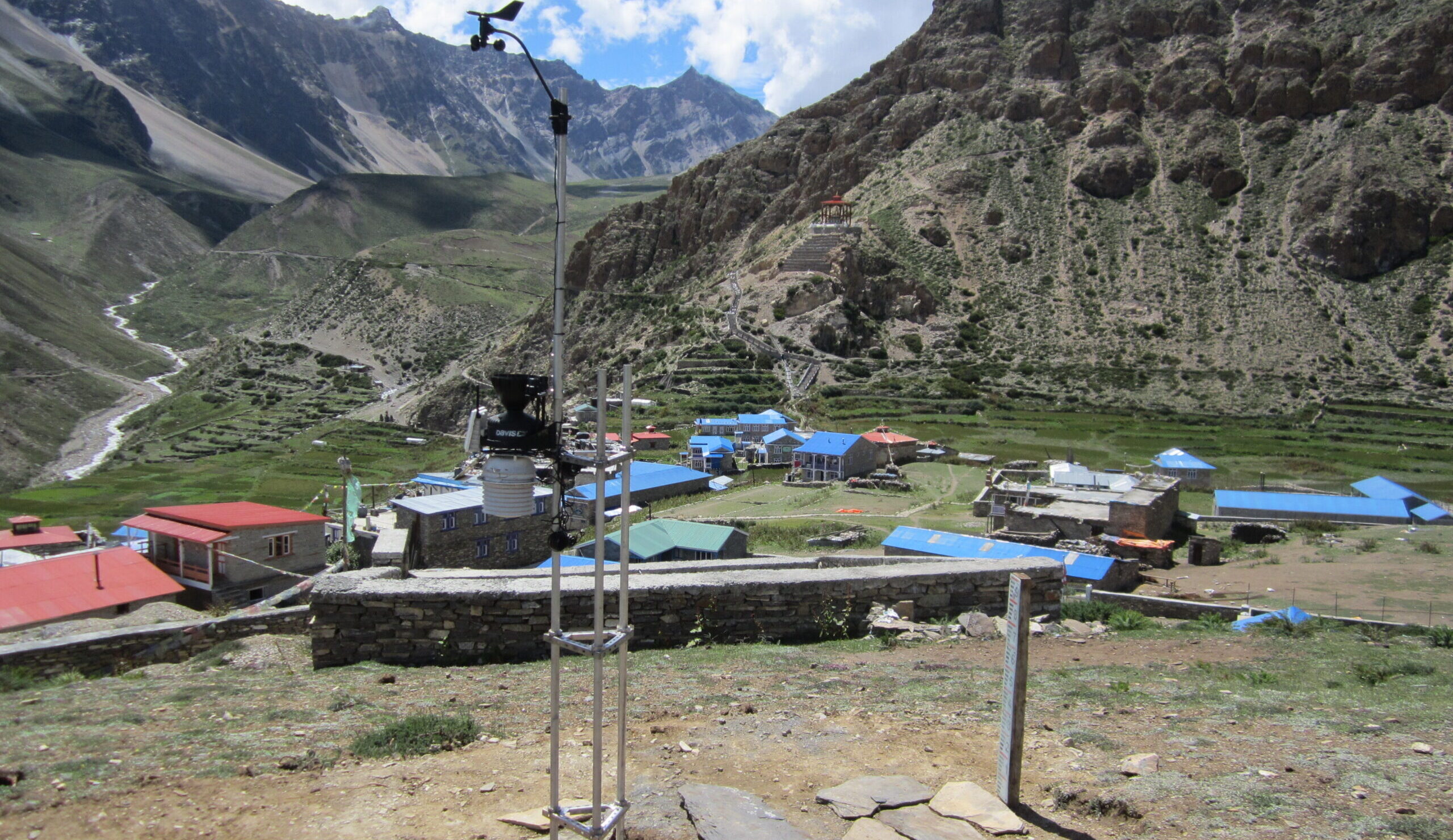
Building on UNWWDR 2026, SEN actively advocates for advancing inclusive and gender-responsive water management through its ongoing initiatives. In one of our projects, CLASSIK, Gender and Water Governance is a core component, focusing on strengthening women’s participation, leadership and decision-making in local water systems. The project works closely with indigenous communities, particularly women, to integrate local knowledge for climate-resilient solutions. Looking ahead, SEN will be co-hosting an International Conference on Gender and Technology (ICGT) 2027 in Nepal, bringing together researchers, practitioners, and policy makers to explore the intersections of Gender, Technology and Agriculture.
Notably, SEN co-organized an interactive workshop titled “Gender, Water, Climate Change and Environment” to provide a learning opportunity for its Partner Organisations. Through these efforts, SEN aims to turn recommendations into practical action to promote inclusive water governance.
Download the report HERE