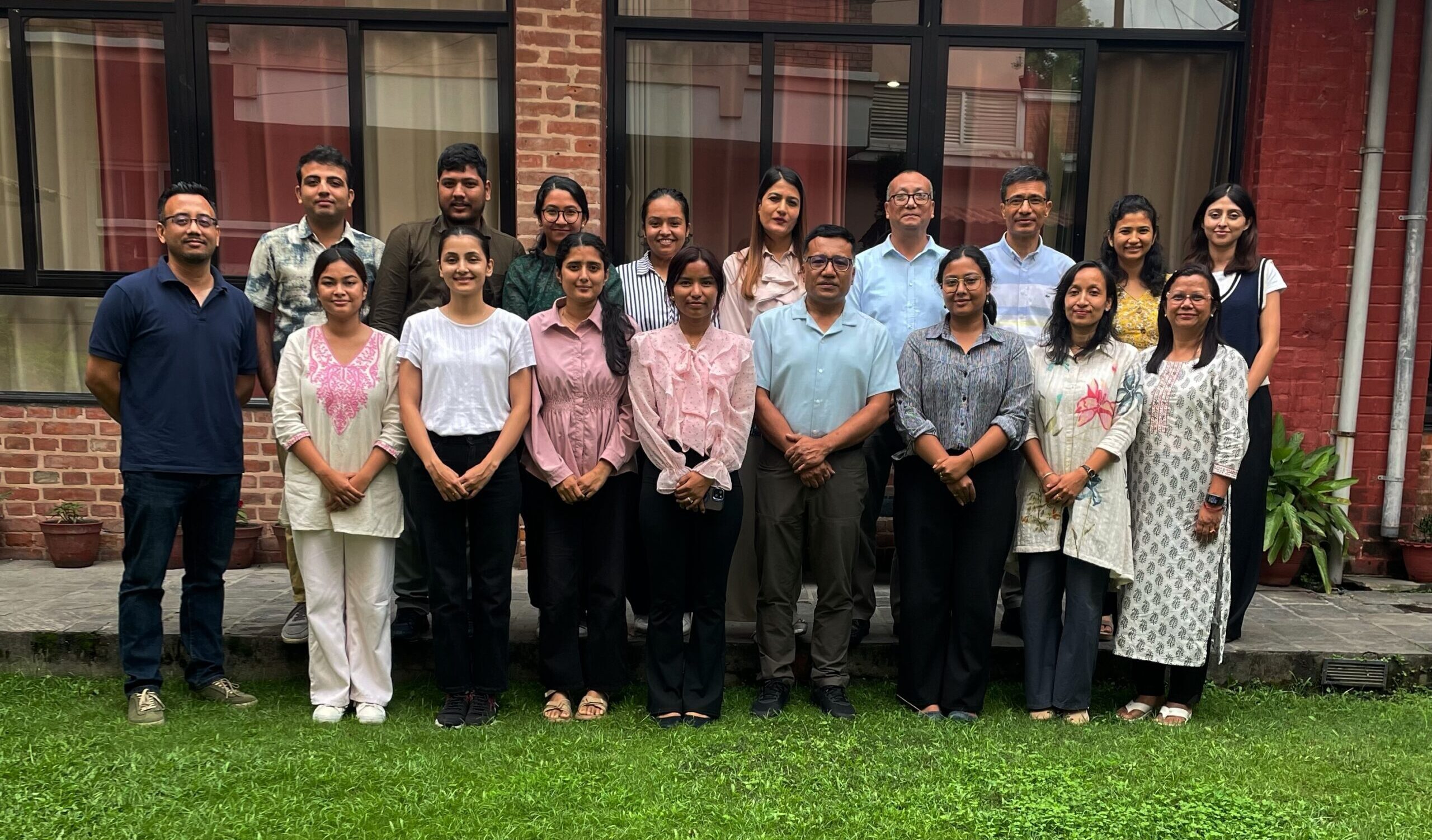
The Promoting Climate Resilient and Socially Inclusive Water Management in the Lower Karnali Watershed Region, Nepal (CLASSIK) consortium partners gathered from 15–17 July 2026 for the Annual Review and Planning Meeting to review project progress, strengthen collaboration, and jointly plan the remaining activities of the project. The meeting brought together representatives from The Small Earth Nepal (SEN), Tribhuvan University (TU), Karnali Integrated Rural Development and Research Centre (KIRDARC) Nepal, Tharu Women Upliftment Center (TWUC), IHE Delft Institute for Water Education and other consortium partners. Held in the presence of Dr. Shreedhar Maskey, Associate Professor of Hydrology and Water Resources at IHE Delft Institute for Water Education, the three-day meeting featured technical review sessions, strategic planning discussions, financial coordination, research updates, and capacity-building activities aimed at advancing the project’s objectives.
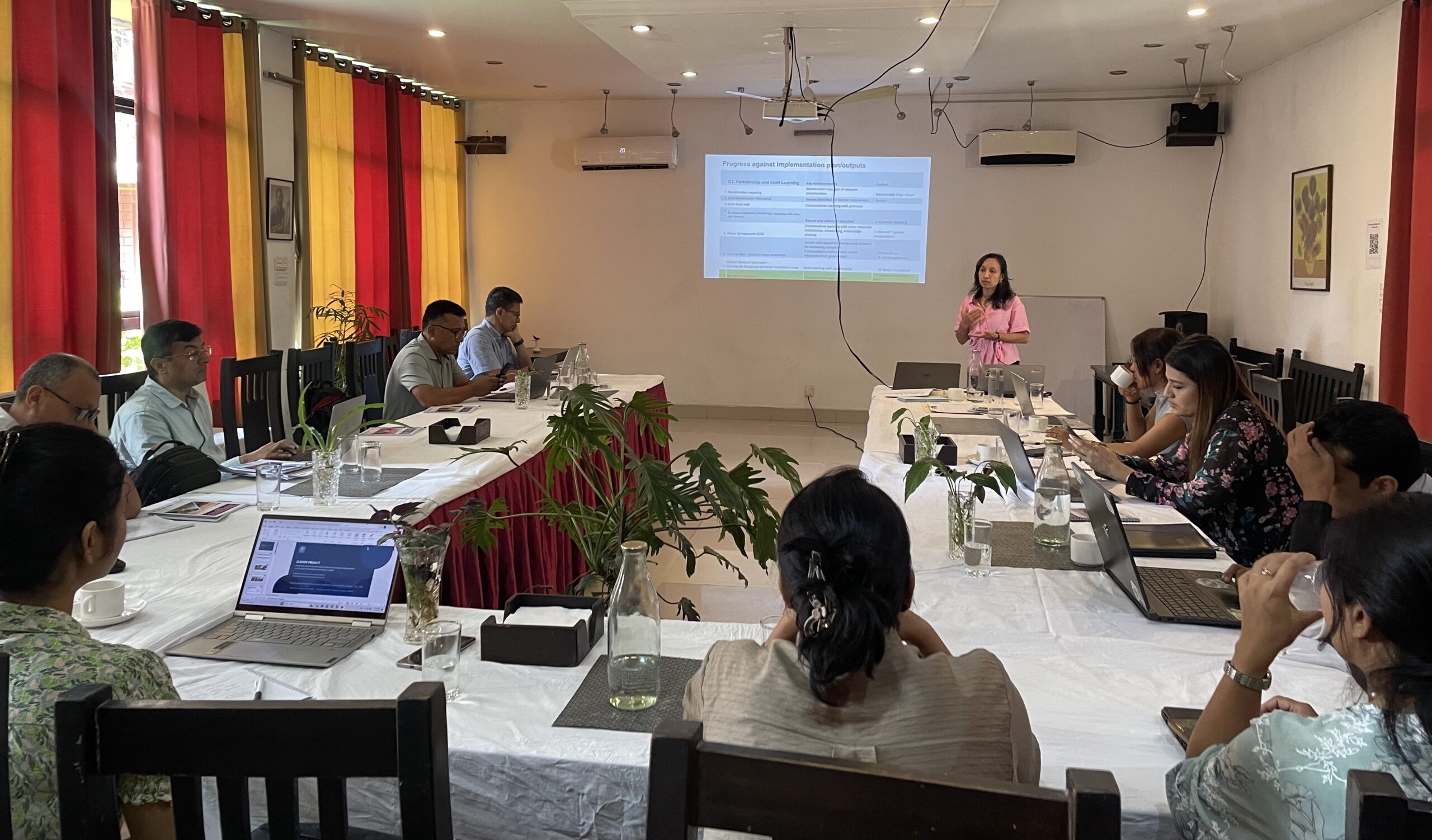
The meeting opened with presentations from each partner organization highlighting progress against planned outputs, key achievements, ongoing activities, financial status, and implementation challenges. Participants collectively reviewed the project’s overall progress, revisited planned outputs, and identified priorities for the remaining implementation period. Through group discussions, partners developed output-oriented work plans with defined timelines while exploring ways to strengthen joint learning and collaboration and maximize project impact.
A key discussion focused on unpacking the project’s Climate-Resilient and Socially Inclusive Framework, where team members explored its core components, research needs, policy linkages, and pathways for integrating scientific knowledge with Indigenous and local knowledge systems. The consortium also reflected on its joint learning and co-development approach, emphasizing stronger engagement with community-led irrigation committee, Barghars, women groups, municipalities, researchers, and local communities to support evidence-based climate adaptation and inclusive water governance.
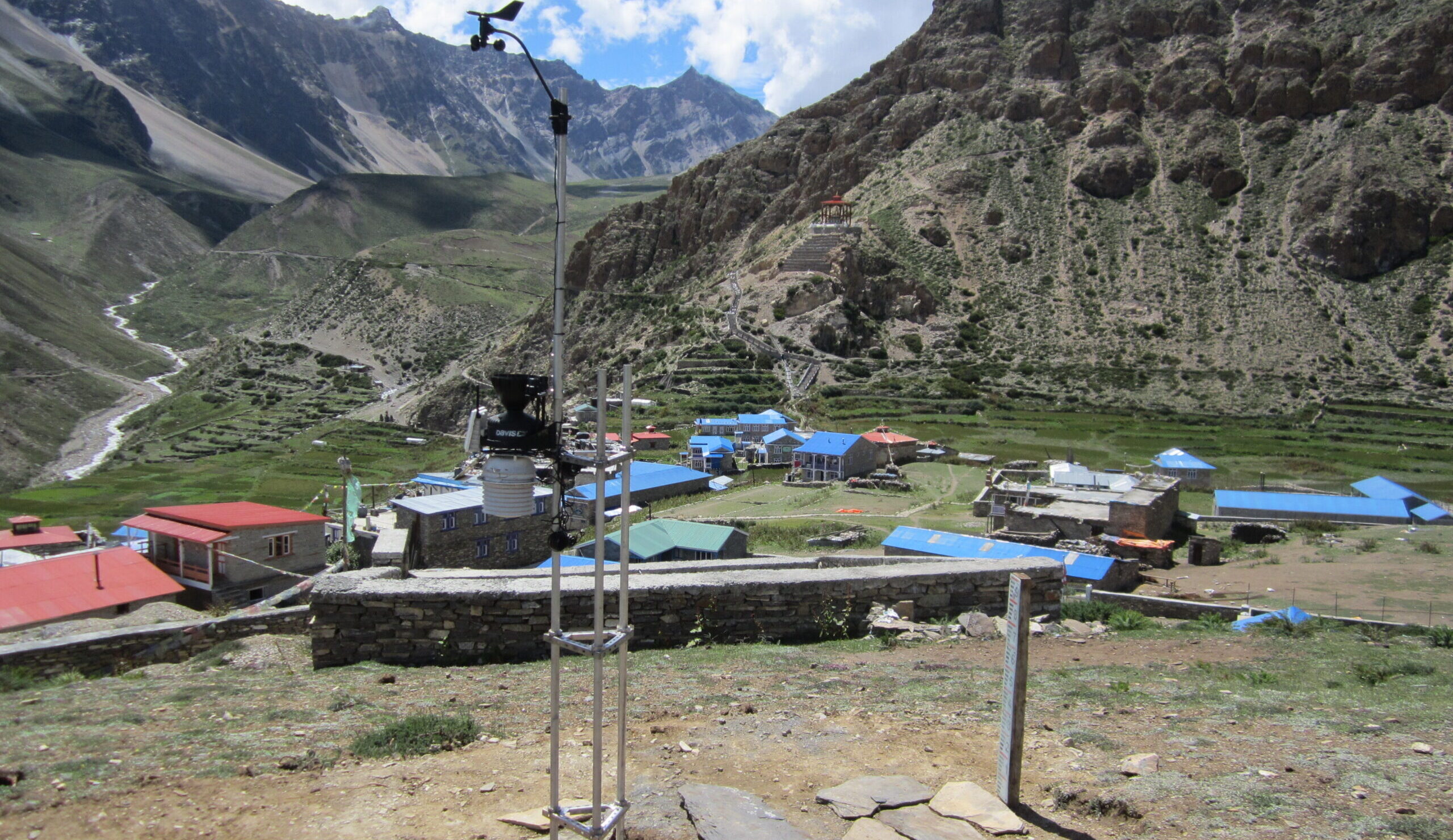
The meeting also explored opportunities to strengthen knowledge sharing mechanisms to share project outputs through training materials, technical handbooks, policy briefs, webinars, and other digital knowledge products. Partners discussed enhancing citizen science initiatives, expanding climate data analysis training, and improving dissemination of project resources in English, Nepali, and Tharu to increase accessibility and local ownership.
The second day focused on revised activities, budget reallocation, financial reporting, and administrative coordination. Consortium members reviewed financial plans and discussed budget adjustments for the upcoming reporting period. A financial orientation session was led by the KIRDARC finance team to create a common understanding of financial management and reporting practices across partner organizations.
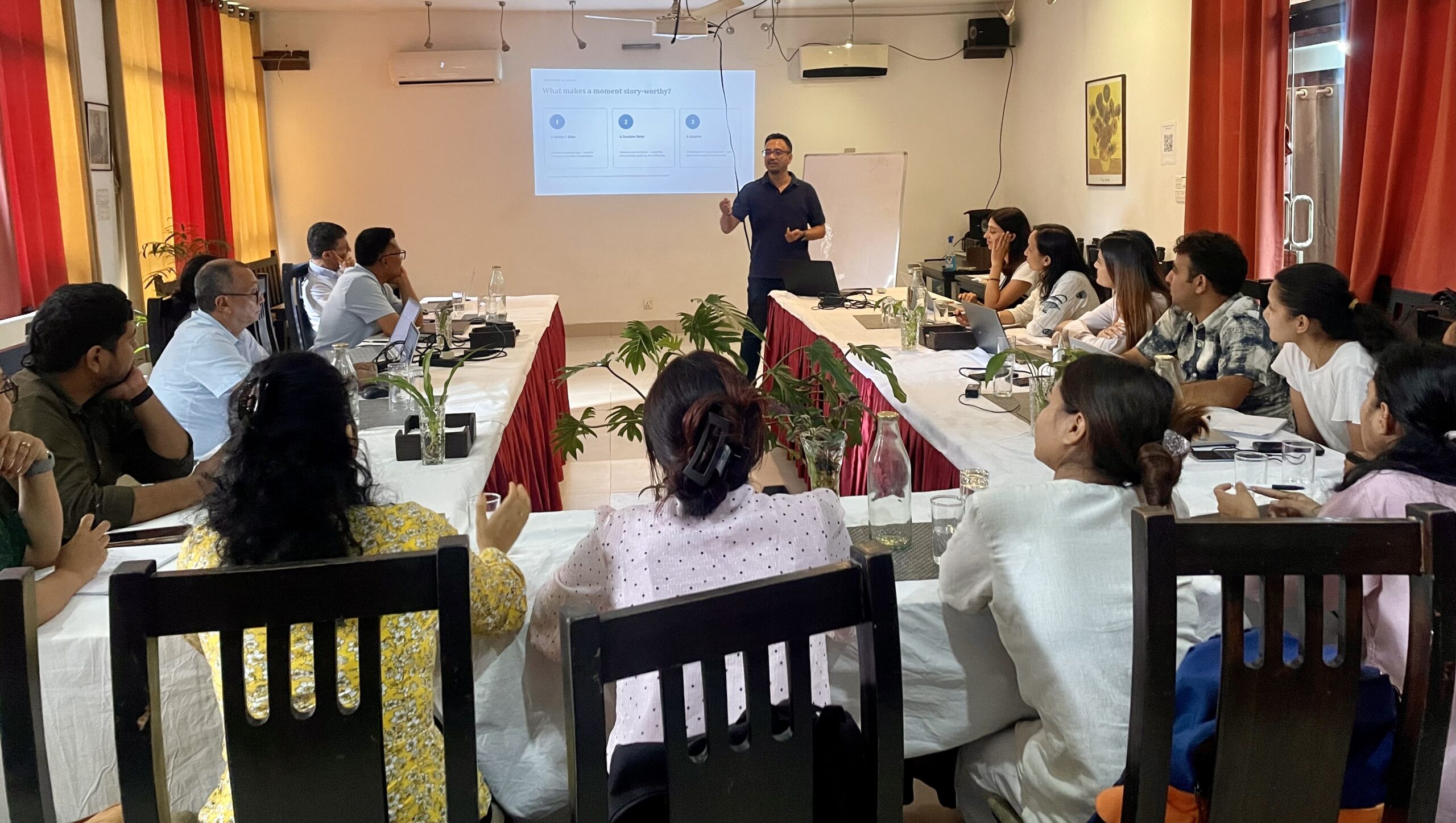
An important highlight of the meeting was the Impactful Storytelling Workshop facilitated by communication and storytelling consultant Mr. Utsav Shakya. The interactive session introduced participants to approaches for documenting project outcomes through compelling and human-centered narratives. Participants explored the differences between case studies and success stories, identified story-worthy moments from their own work, and worked collaboratively to draft stories using a structured storytelling framework. The session reinforced the importance of capturing meaningful change experienced by communities alongside technical project achievements.
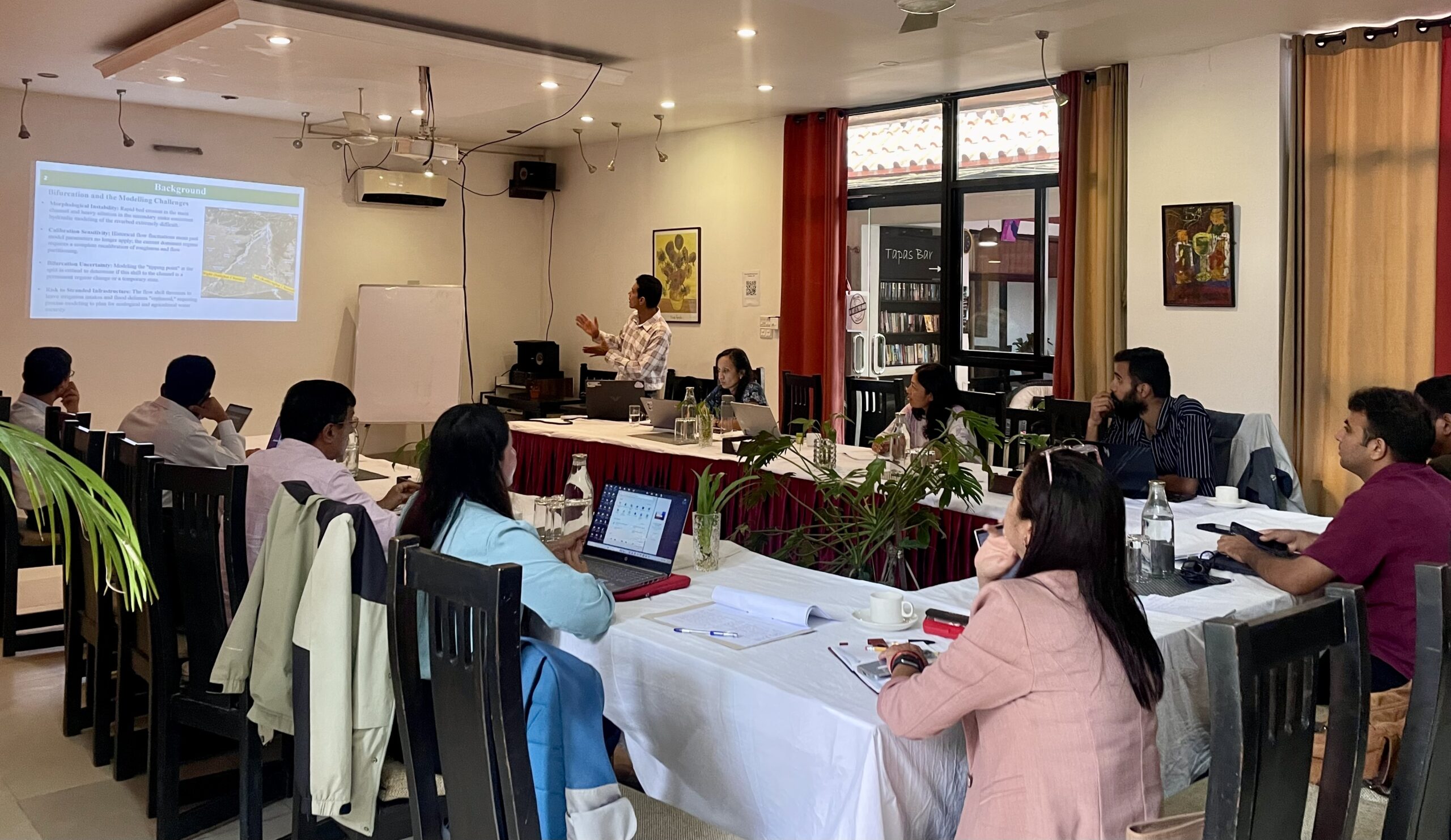
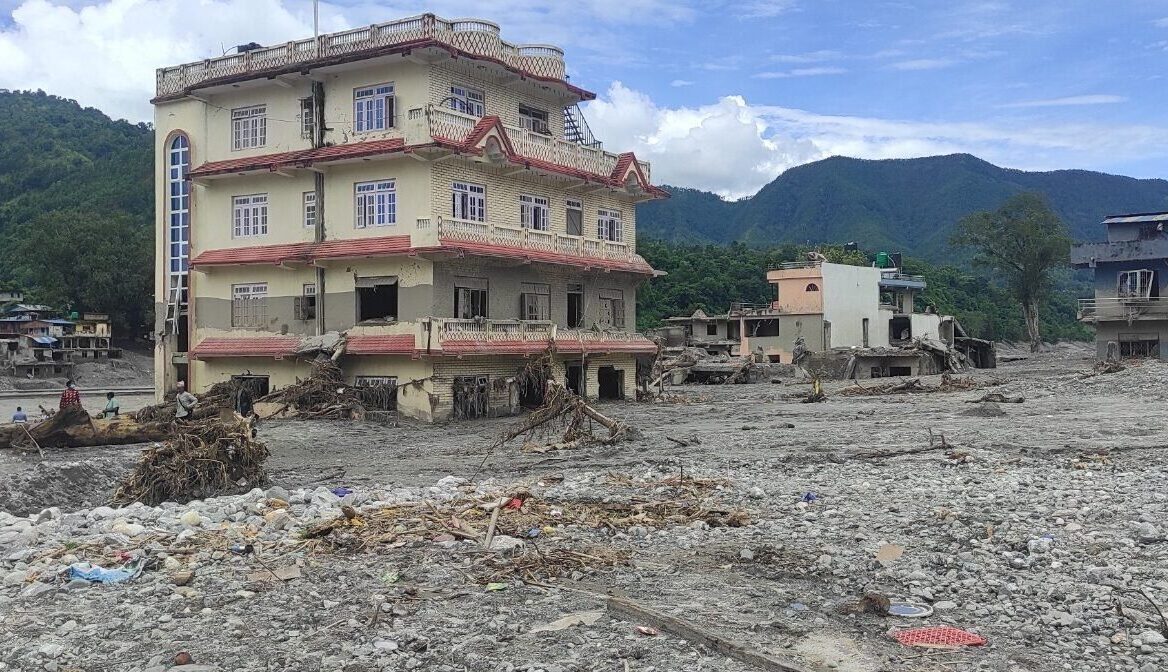
The final day featured research updates from the project team particularly on flood hazard assessment and fluvial morphological dynamics and groundwater–surface water interaction in the Lower Karnali Basin. The presentations highlighted how scientific research is contributing to improved understanding of flood hazards, river dynamics, and climate adaptation planning in the Lower Karnali Basin, followed by discussions on future research directions and collaboration.
The three-day meeting concluded with a shared commitment to advancing the CLASSIK project’s vision of climate-resilient and socially inclusive water resource management through collaborative research, knowledge co-production, community engagement, and evidence-based decision-making. The discussions and plans developed during the meeting will guide the consortium’s remaining activities while strengthening partnerships for initiatives.