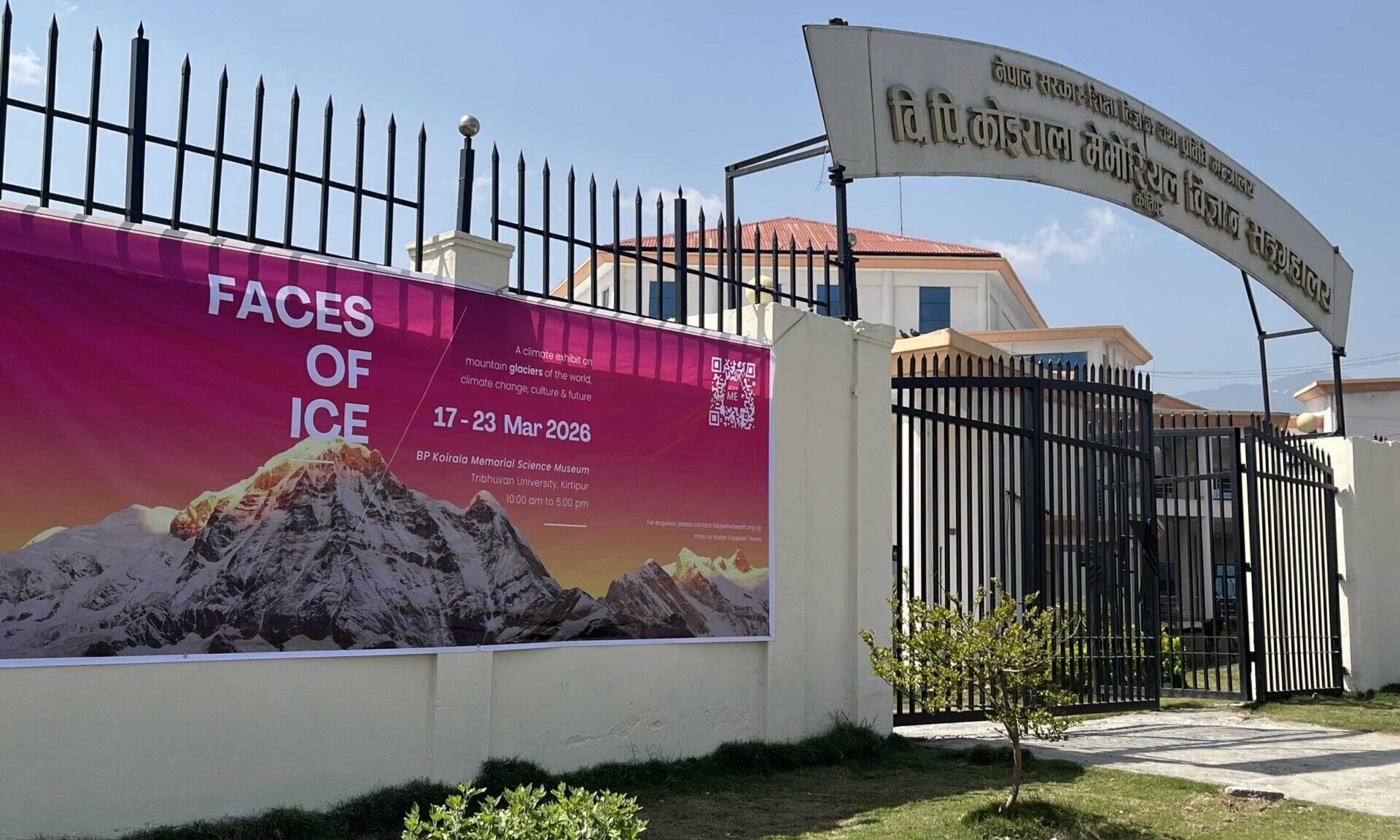
The second edition of the Faces of Ice, an open public climate exhibition on the mountain glaciers was successfully held at the BP Koirala Memorial Planetarium, Observatory and Science Museum, Kirtipur from 17-23 March 2026, continuing its focus on climate change, and the critical issue of melting glaciers in the world and the overall Hindu-Kush Himalaya region. Building upon the success of its first edition in September 2025, the exhibit was organized by The Small Earth Nepal (SEN), and the UNESCO Chair in Mountain Cryosphere and Water for UN’s 2025 International Year of Glaciers’ Preservation (IYGP 2025) theme and Decade of Action for Cryospheric Sciences (DACS 2025-2034) as a part of the Nepal National Glacier, Water and Weather Week (NNGWWW) 2026, further emphasizing the urgency of glacier preservation and climate action.
NNGWWW is Nepal’s national platform for dialogue on Glaciers, Water, and Climate. Observed annually from 17–23 March, coinciding with World Glacier Day (21 March), World Water Day (22 March), and World Meteorological Day (23 March), NNGWWW brings together government agencies, academics, civil society, and youth to discuss emerging challenges and possible solutions. Over the years, as the secretariat of NNGWWW, SEN has coordinated the participation of more than 50 organizations, including government bodies, I/NGOs, youth networks, private sector entities, media, and academic institutions, helping make the Week a national success since its inception. The Water and Energy Commission Secretariat (WECS), representing the Government of Nepal, has chaired the consortium since 2009.
Faces of Ice is created and led by Rahul G. Rajkarnikar and Rajina Shrestha, affiliates of SEN, and organized by Smriti Tamang, intern of SEN. The exhibit blends scientific research with multimedia, interactive maps, and artistic interpretations that help translate climate facts into a human-centered narrative. This approach attempts to assist diverse audiences to explore how the recession of Himalayan glaciers reshapes landscapes and stresses freshwater resources, while also highlighting the resilience of local communities within the global climate context.
Dr. Sanat Kumar Sharma, Executive Director of B.P. Koirala Memorial Planetarium, Observatory and Science Museum Development Board, declared Faces of Ice as a landmark for collaboration to bring climate science and climate action together.
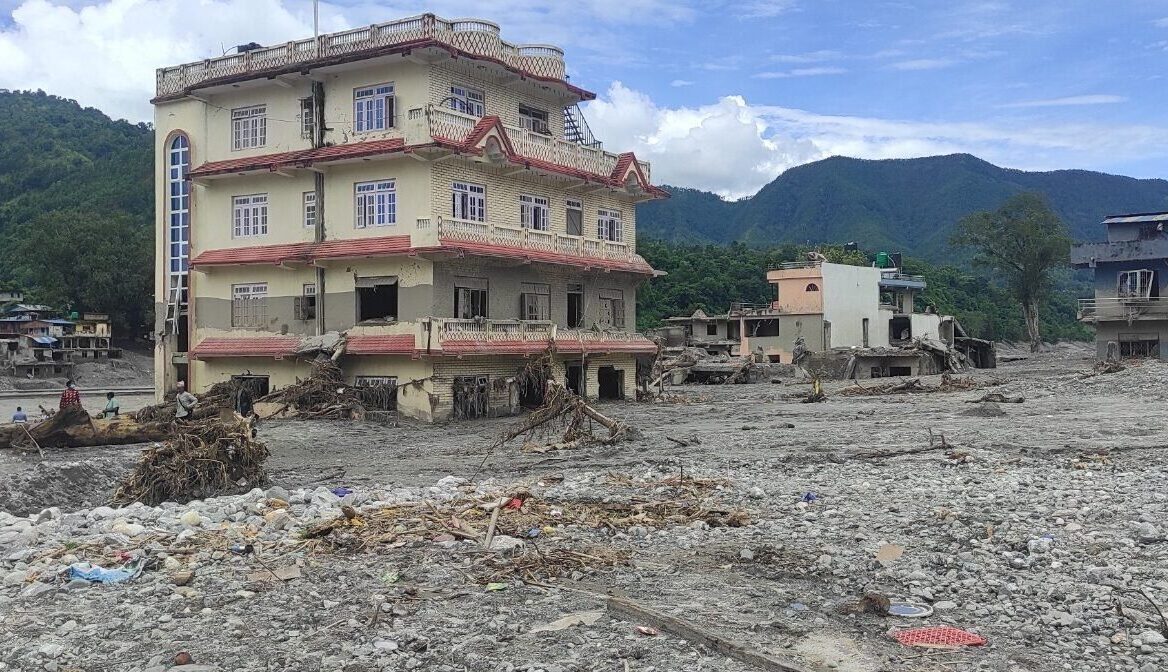
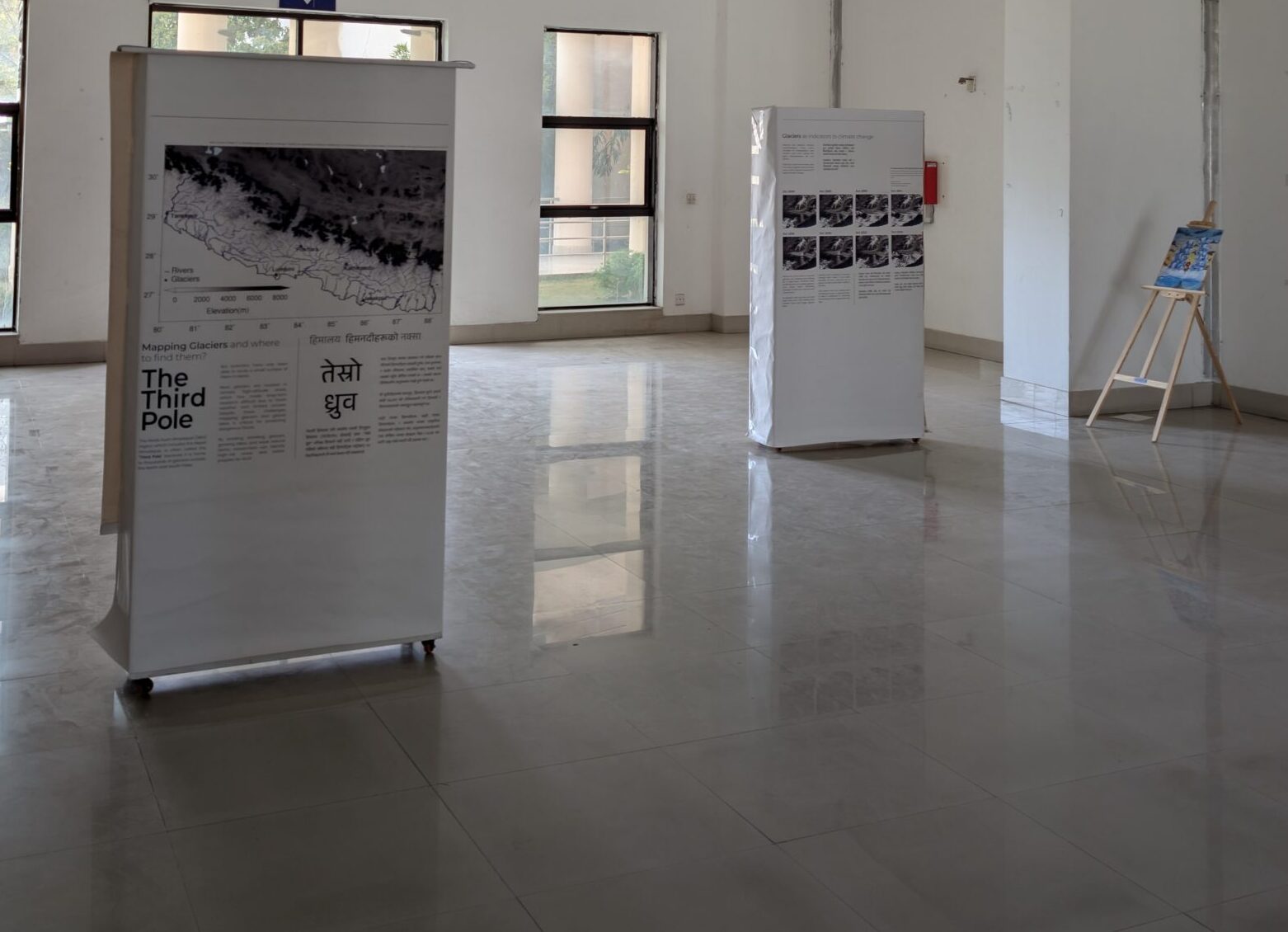
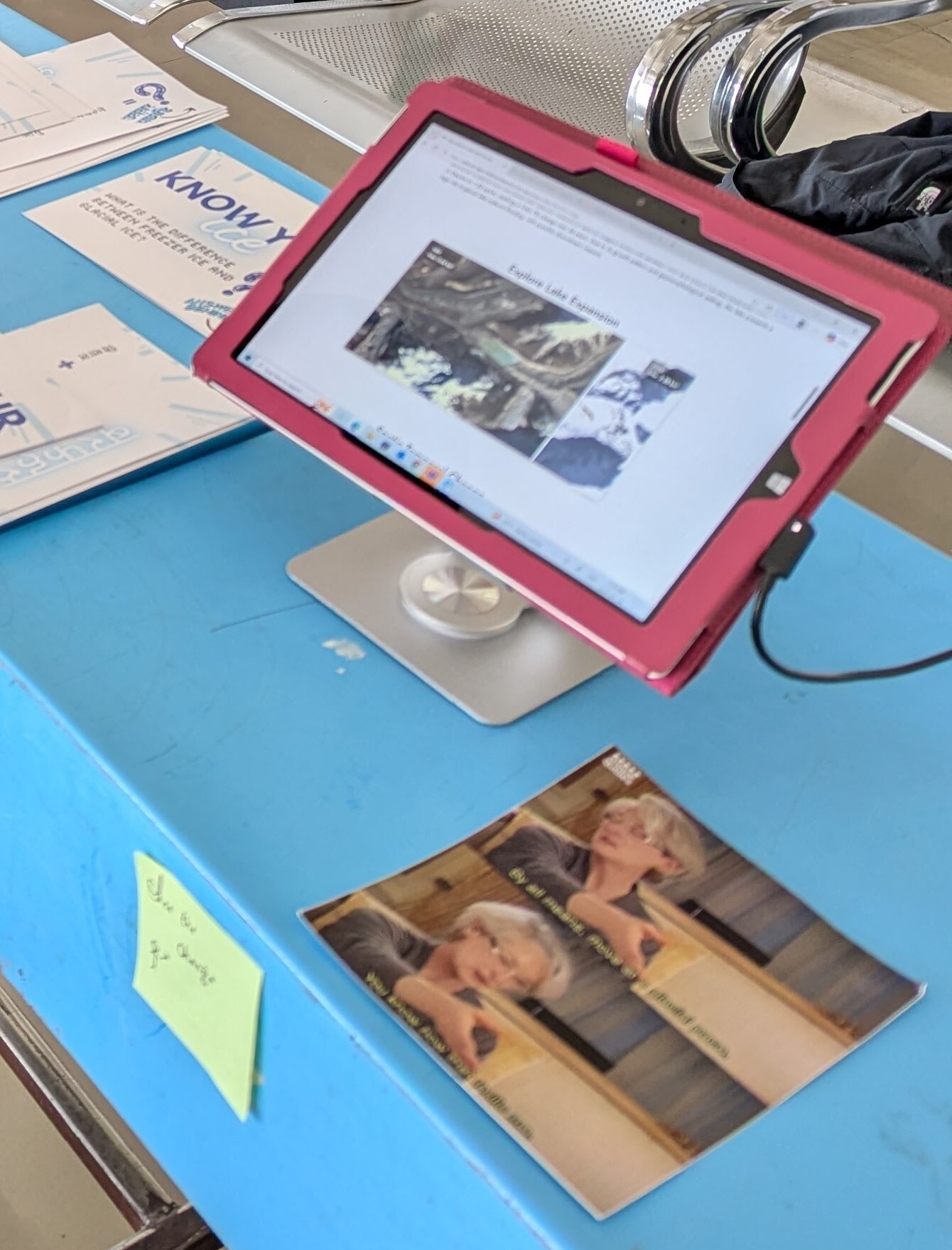
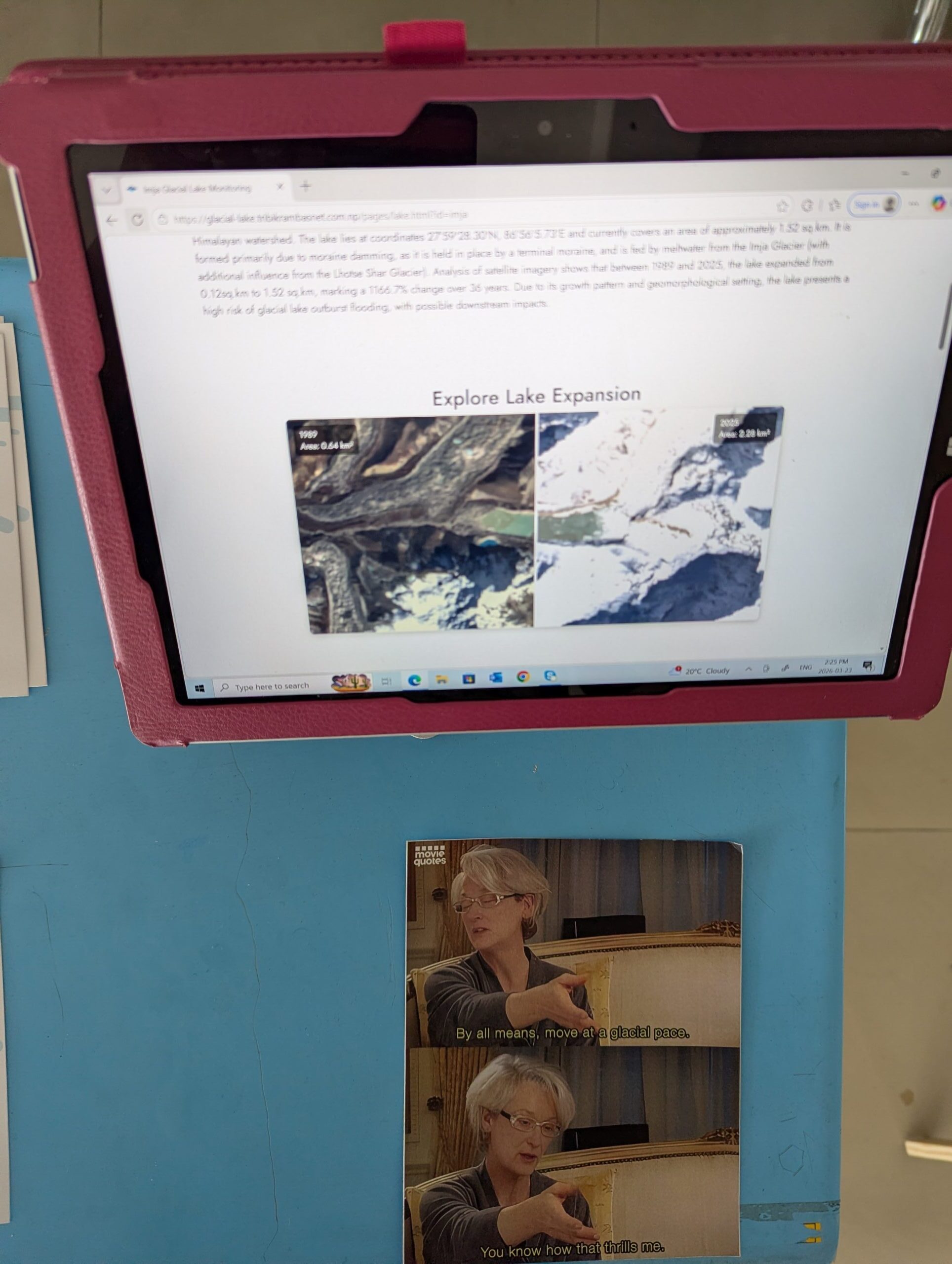
The exhibit highlighted glaciers as key indicators and evidence of climate change, presenting scientific basis and case studies demonstrating glacier retreat and the expansion of glacial lakes over time, and the pressing concerns over Glacial Lake Outburst Flood (GLOF) incidents in the future, as well as what projects like HiM-DATA are doing to address them.
A dedicated section of the exhibition focused on GLOFs, providing insights into their causes, associated risks, and potential impacts on downstream communities. Additionally, the exhibition explored the broader social implications of glacier loss, particularly its disproportionate effects on vulnerable populations, including women and marginalized communities.
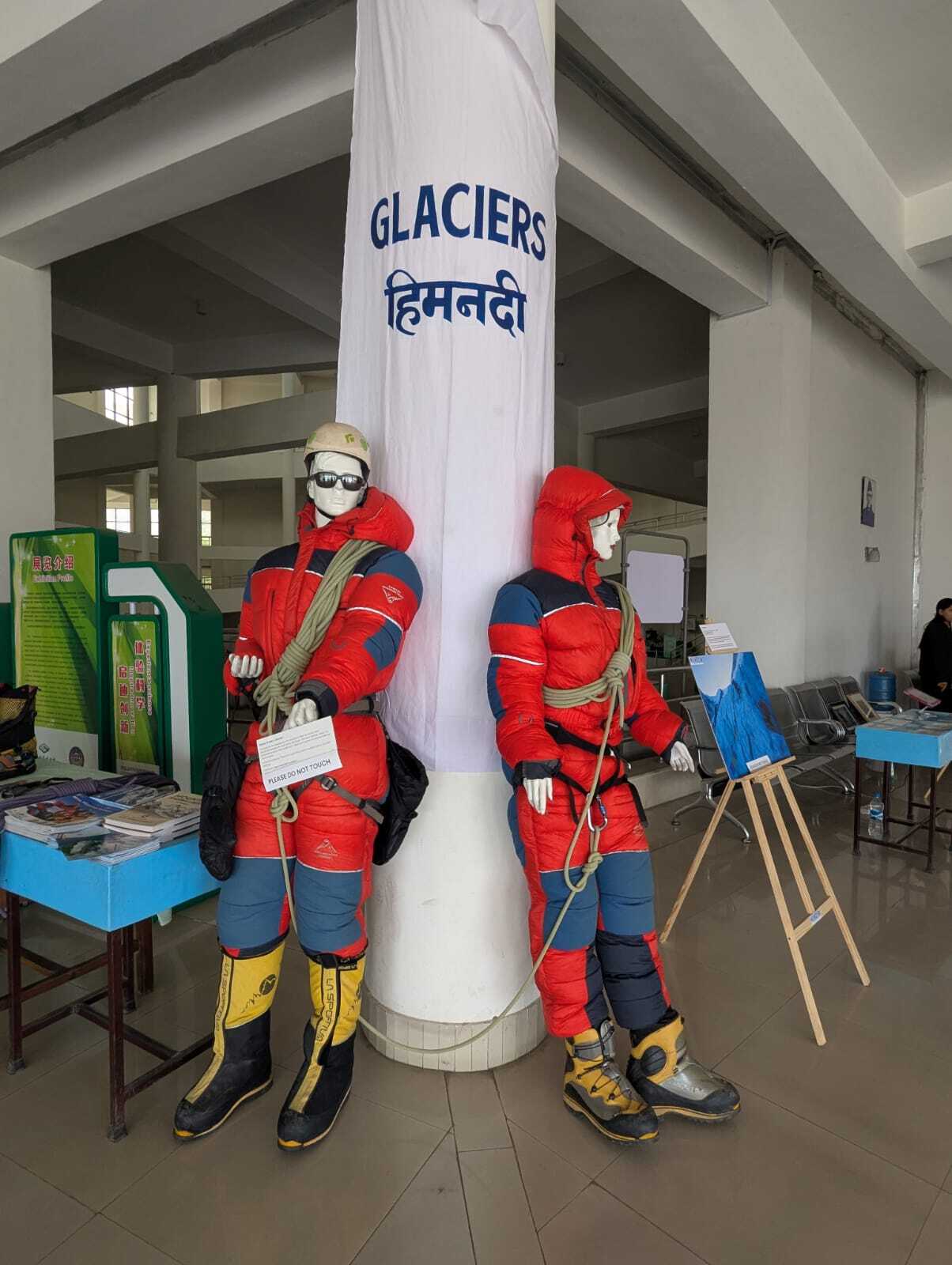
In addition to the scientific and educational components, this year’s exhibition introduced a diverse range of mountaineering gears, provided by the exhibit’s knowledge collaborators, Nepal Mountain Academy. The gears provided visitors with a practical understanding of the preparations required to scale and survive in high-altitude environments.

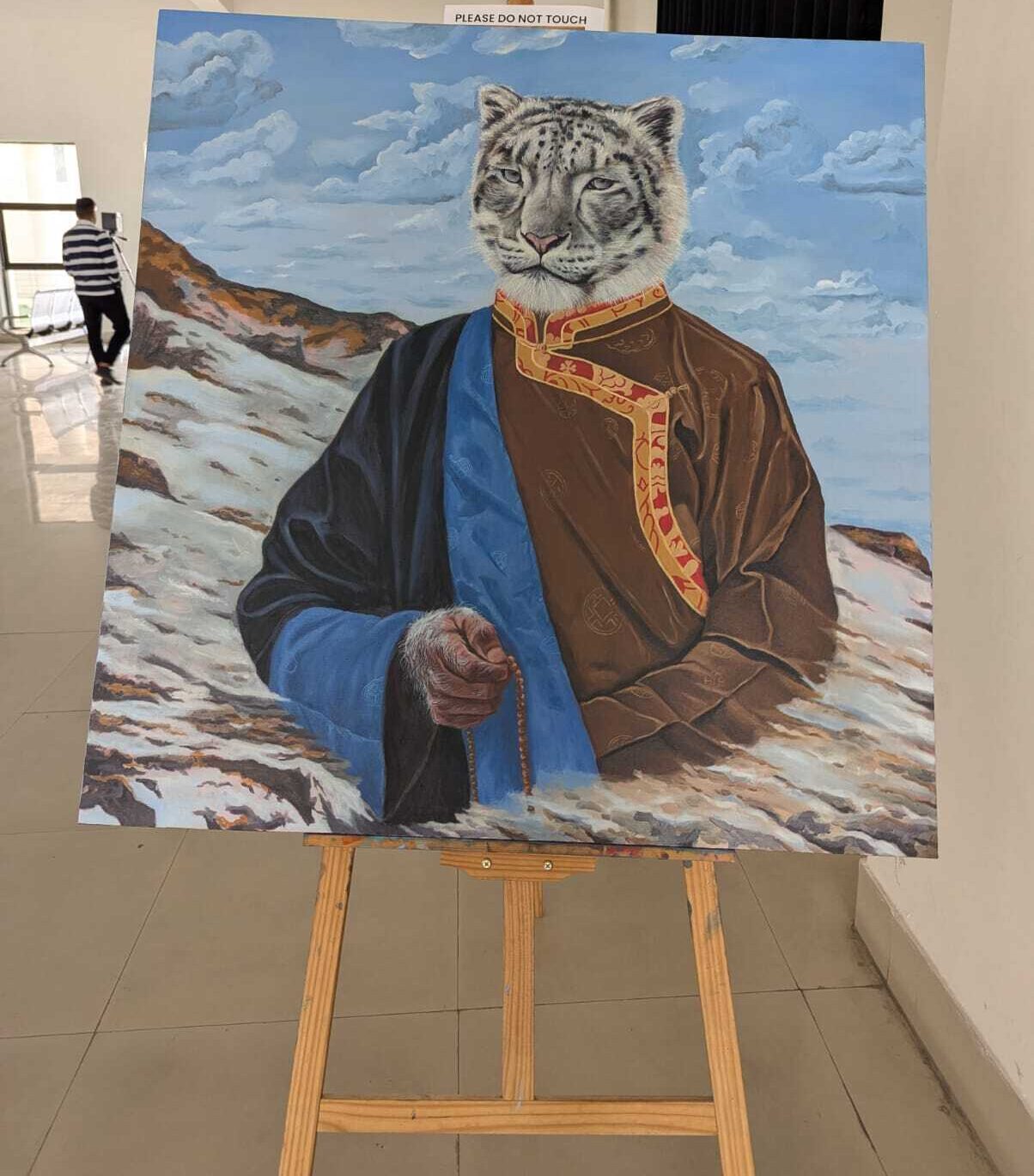
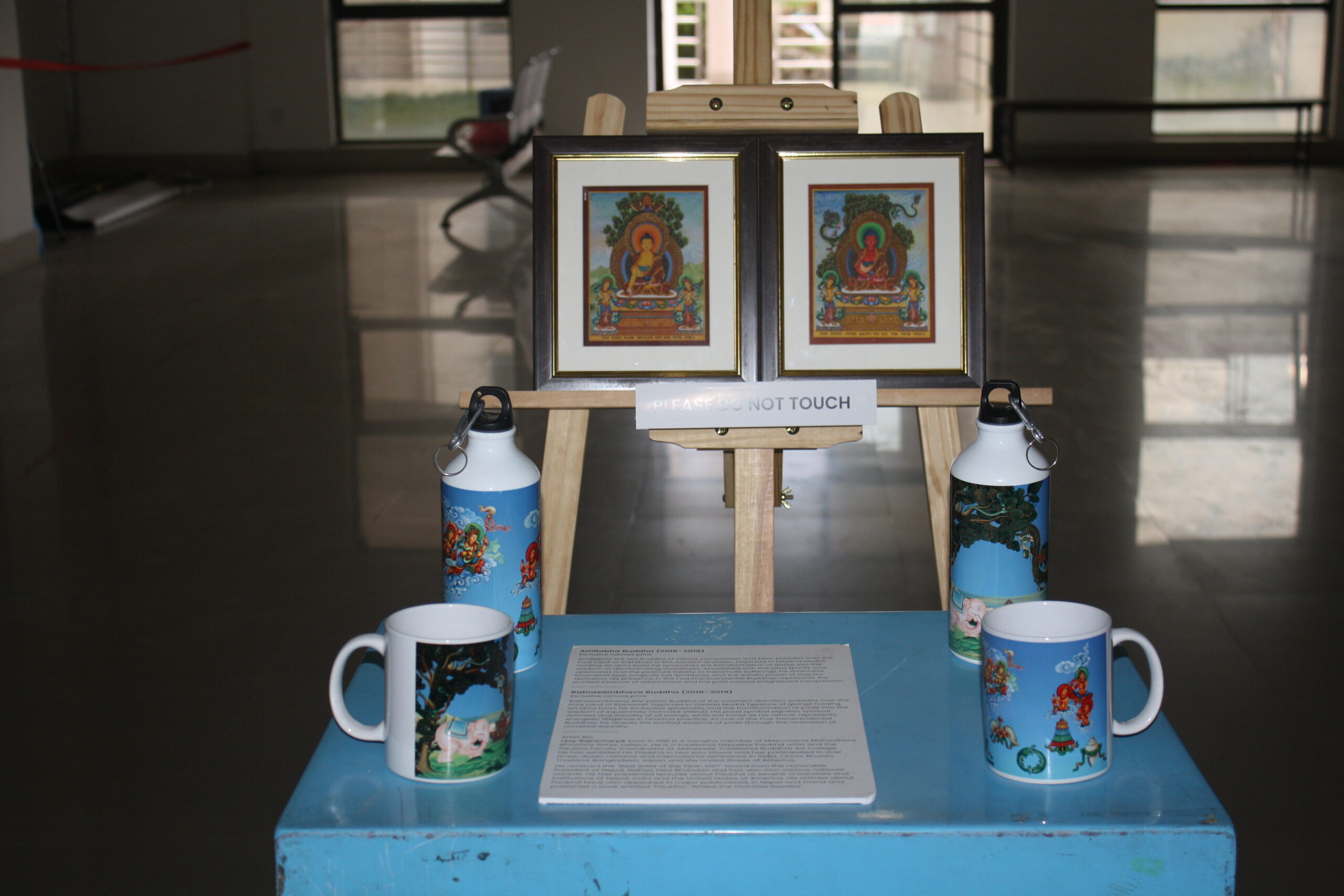
The exhibition also incorporated artistic elements to enhance engagement and interpretation. Various forms of art, including traditional wooden block painting methods for stamp printing from Samjhana Rajbhandari, traditional Newari Paubha paintings by Ujay Bajracharya, and abstract art from Karma Tashi Gurung, adding a community centric narrative of environmental and climate priorities in the Nepalese communities. Alongside these the exhibit featured student and volunteer contributors from Prajna Shrestha from Rosebud School, Palpasha Suwal from Foundation for Development Management, Sandhya Banshi Thakuri from Trichandra Multiple Campus, Subhekshya Pandey from The Small Earth Nepal, Samarth Bista from Agriculture and Forestry University, Chandra Rai from Lhasso Adventure Pvt. Ltd., Climate Change and Development Society (CCDS).
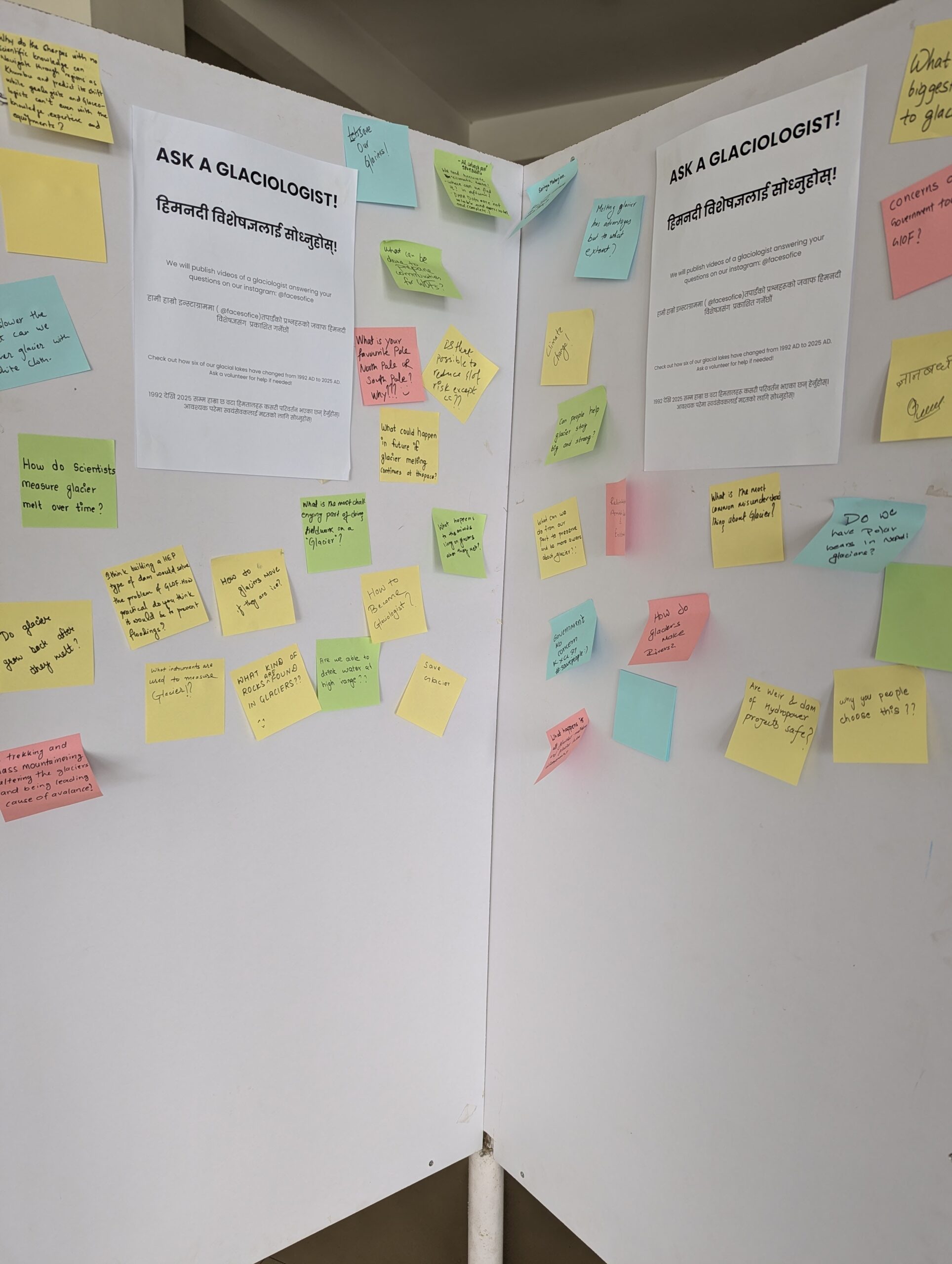
The exhibition also provided a platform for dialogue and inquiry, where visitors could raise questions and engage with experts in the field. A dedicated wall for visitors to write a sticky note with questions or queries directed to a climate expert, a scientist, or a researcher. Questions collected from exhibition visitors answered by glaciologists and experts from SEN, then produced into a short educational Reel, which are openly available on FoI Instagram. This initiative aimed to bridge the gap between scientific knowledge and public understanding, fostering a deeper connection to the issue of glacier conservation.
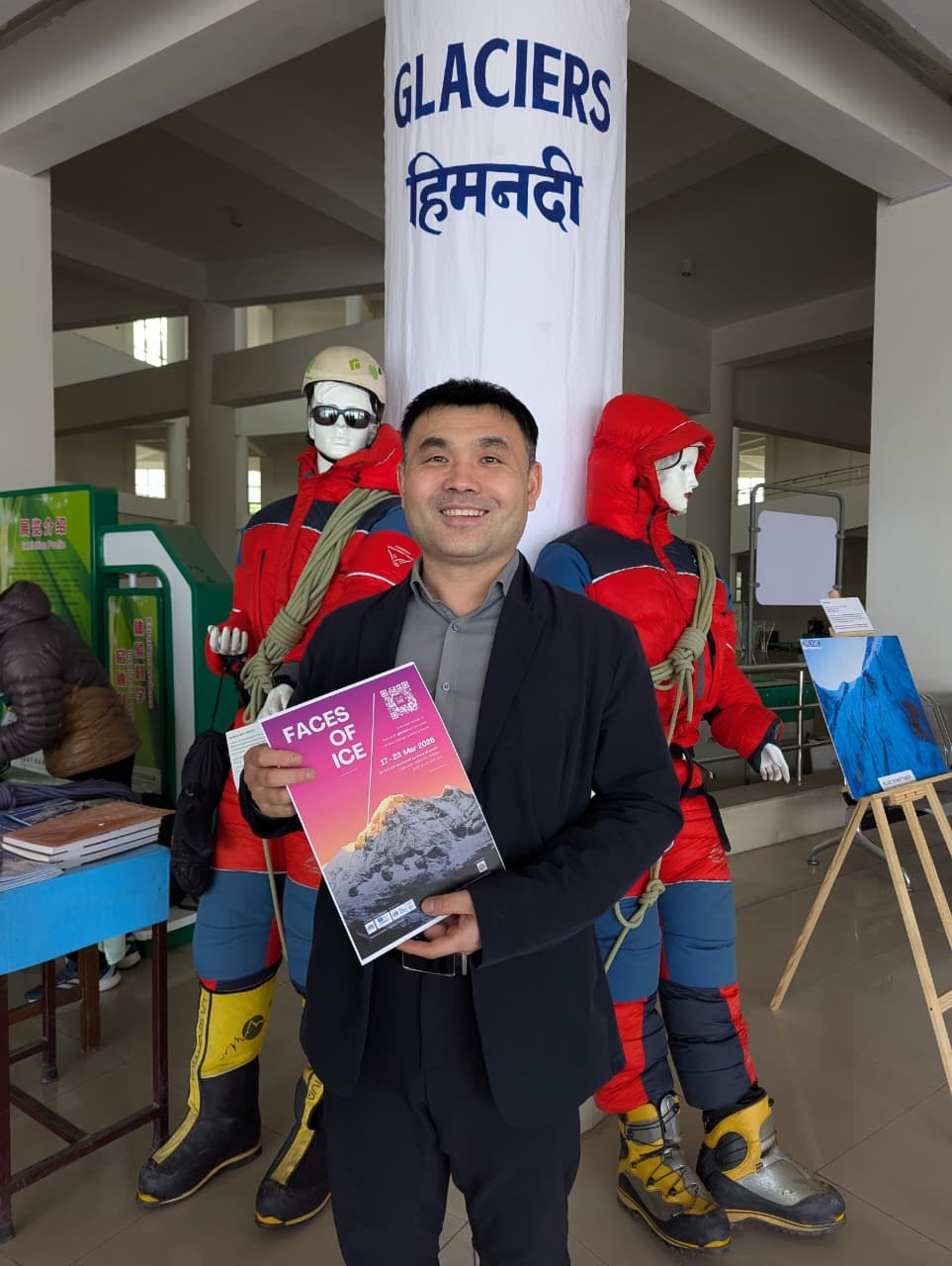
The event was graced by the special presence of Dr Madan Lall Shrestha, Senior Academician at Nepal Academy of Science and Technology (NAST), Frances Klatzel, Communications Specialist at Mera Publications Pvt Ltd, and Dr Qianggong Zhang, Senior Climate Change and Environment Specialist, and Head of the Climate and Environmental Risks Unit at The International Centre for Integrated Mountain Development (ICIMOD), who closed the exhibition with his generous remarks on the need for integrated approach towards climate sustainability.
Dr. Zhang lauded the innovative outreach efforts used to tackle climate change. By blending cryospheric science with social and cultural perspectives, the Faces of Ice exhibition highlights a vital truth: preserving our glaciers requires a unified effort from local and international stakeholders alike.
The second edition of Faces of Ice further strengthened its role as an engaging and educational platform, successfully raising awareness about the environmental and social challenges associated with glacier loss. The exhibit was visited by over 200 visitors; many of whom were early science academics and climate enthusiasts. Students from Euro Kids and Modern Indian School also visited the exhibit. It marks another important step toward promoting climate literacy and encouraging collective action for the preservation of Himalayan glaciers.
The Faces of Ice team appreciate and give special thanks to Karnali Integrated Rural Development and Research Centre (KIRDARC) Nepal, Modern Indian School, Alliance Francaise Kathmandu (AFK), and ICIMOD for their generous support.