Following the successful pre-pilot installation of an Automatic Weather Station (AWS) in Nar, Manang, in collaboration with local monastic communities, The Small Earth Nepal (SEN), UNESCO Chair in Mountain Cryosphere and Water, Tribhuvan University, with support from the International Centre for Water Resources and Global Change (ICWRGC), has taken another step towards strengthening high-altitude climate monitoring in Nepal. Under the HiM-DATA (High-altitude Monasteries for Data Acquisition, Tracking & Awareness) initiative, the team installed an additional AWS at Namkha Khyung Dzong Monastery in Yalbang, Humla, contributing to the long-term observation of precipitation and temperature changes in the high Mountains.
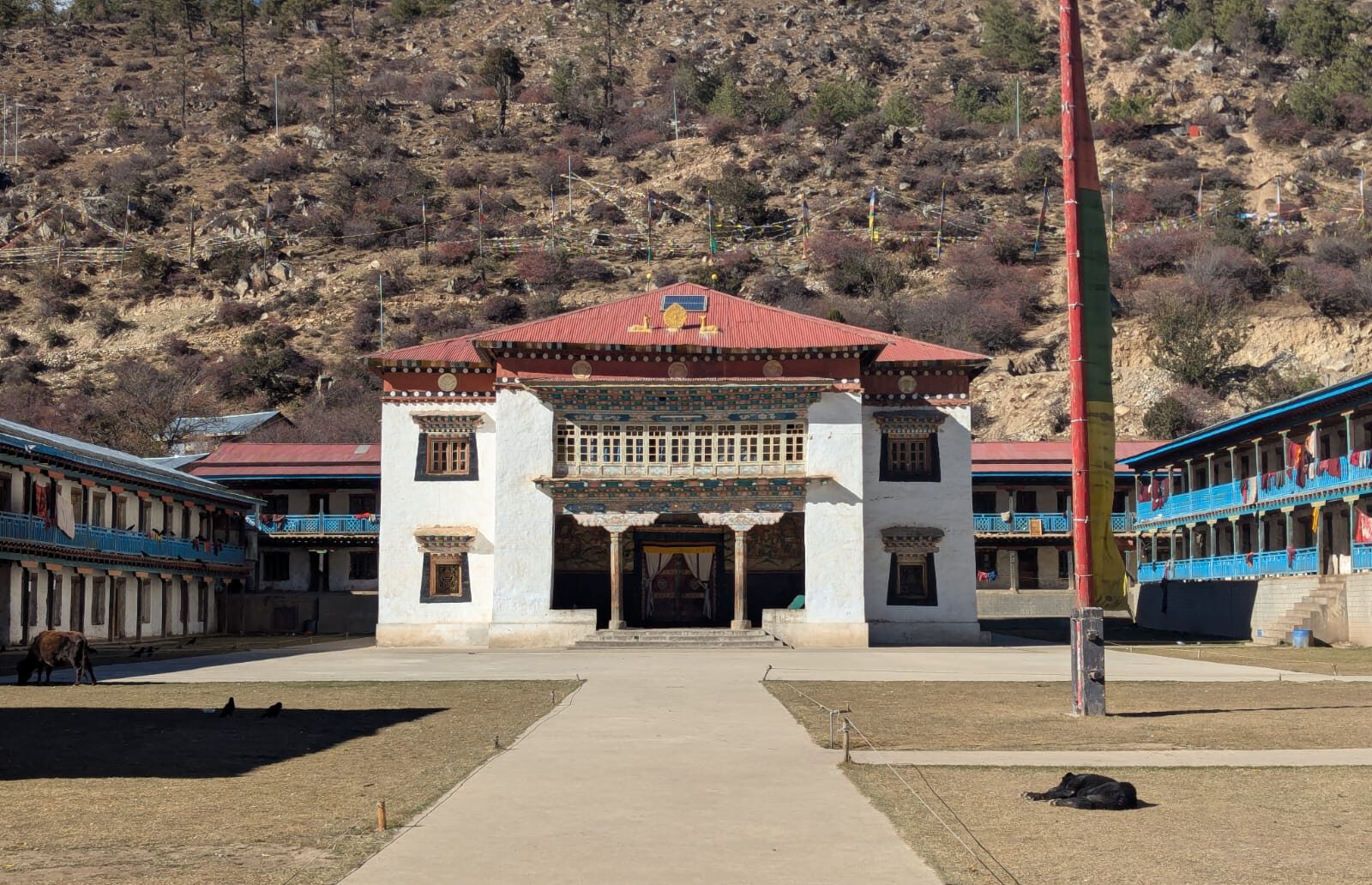
The installation was carried out during the team’s field visit to Yalbang, Humla, from 17–23 November 2026, in collaboration with Real Time Solutions (RTS) and the Centre for Hydrology and Water Resources Research (CHWRR), with the site established through the cooperation and support of Namkha Khyung Dzong Monastery and the local government with the presence of Mr. Dinkar Kayastha, Senior Divisional Hydrologist, CHWRR. The station’s meteorological data are made publicly accessible through an online dashboard, allowing users to view the observations: AWS_Yalbang, Humla
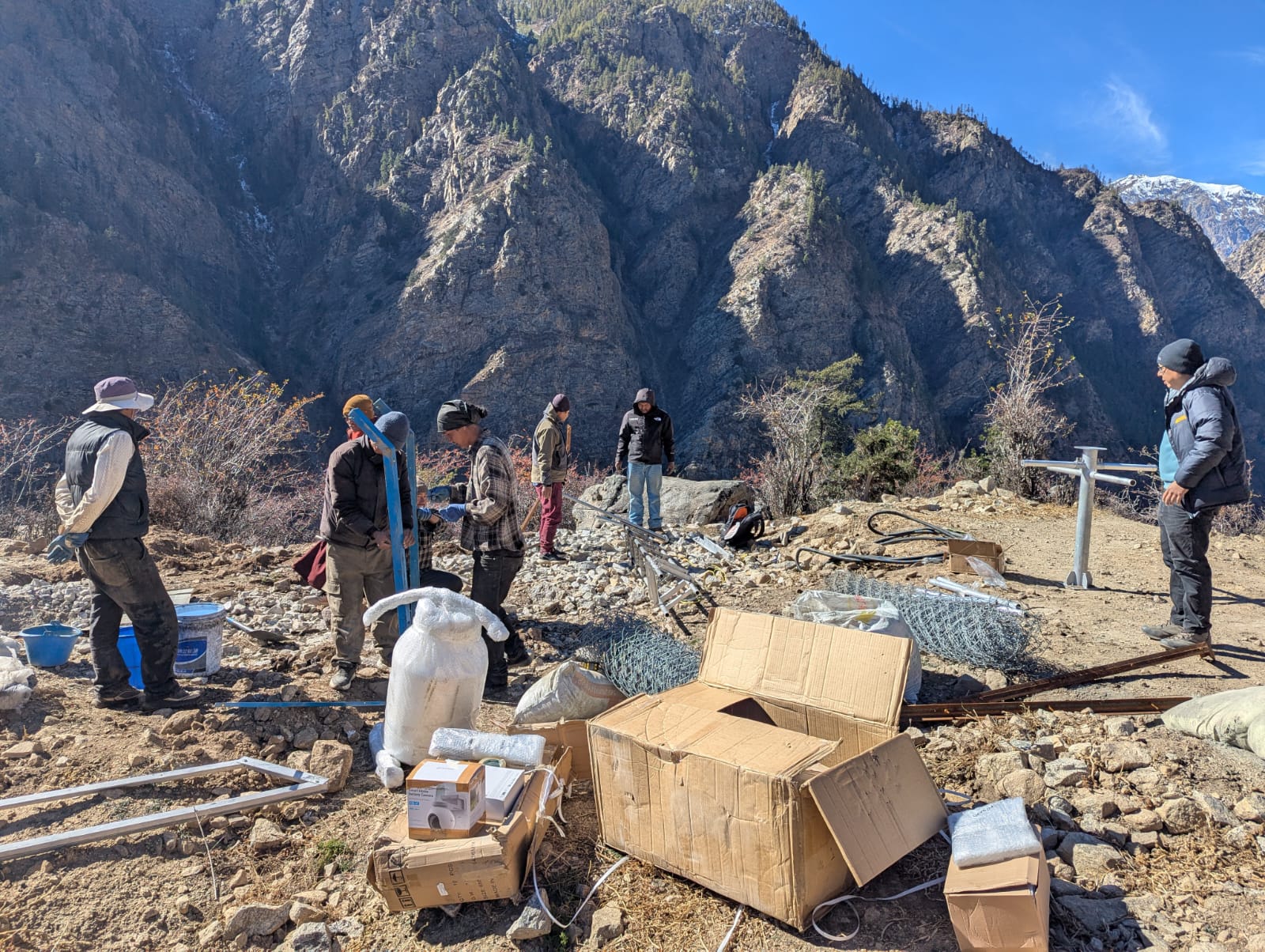
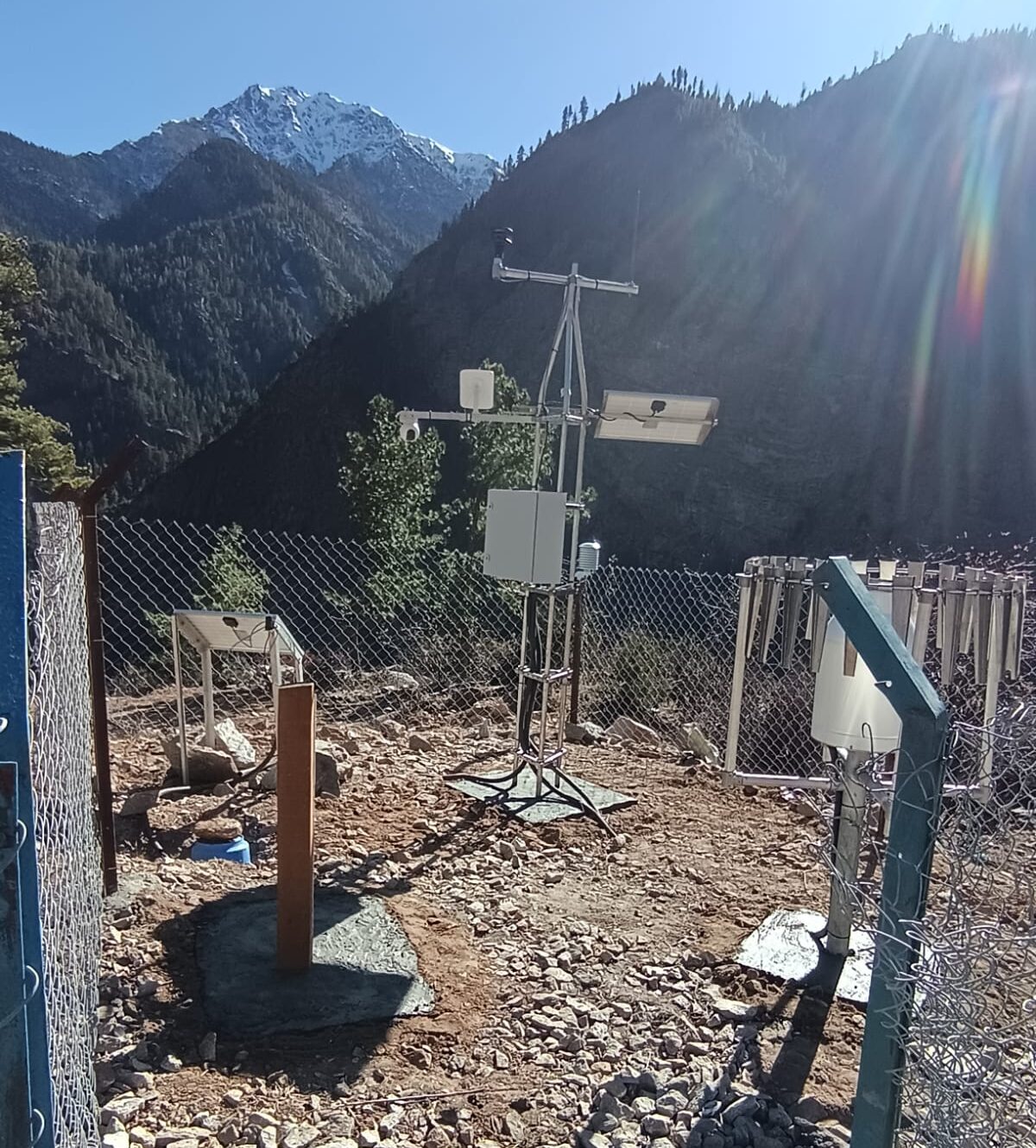
AWS installation by RTS with the help of Namkha Khyung Dzong Monastery and the local government
The Himalayas are extremely vulnerable to climate change. Their challenging geography, coupled with limited monitoring infrastructure makes sustained observation of the local climate variability difficult. This creates a significant gap in understanding its implications for cryosphere, water resources and communities. The installation, therefore, marks an important milestone in the initiative’s efforts to establish a network of weather stations supported by monastic communities. The team hopes that the improved availability of climate-data in high-altitude Himalayas can contribute to a better understanding of environmental and cryosphere changes.
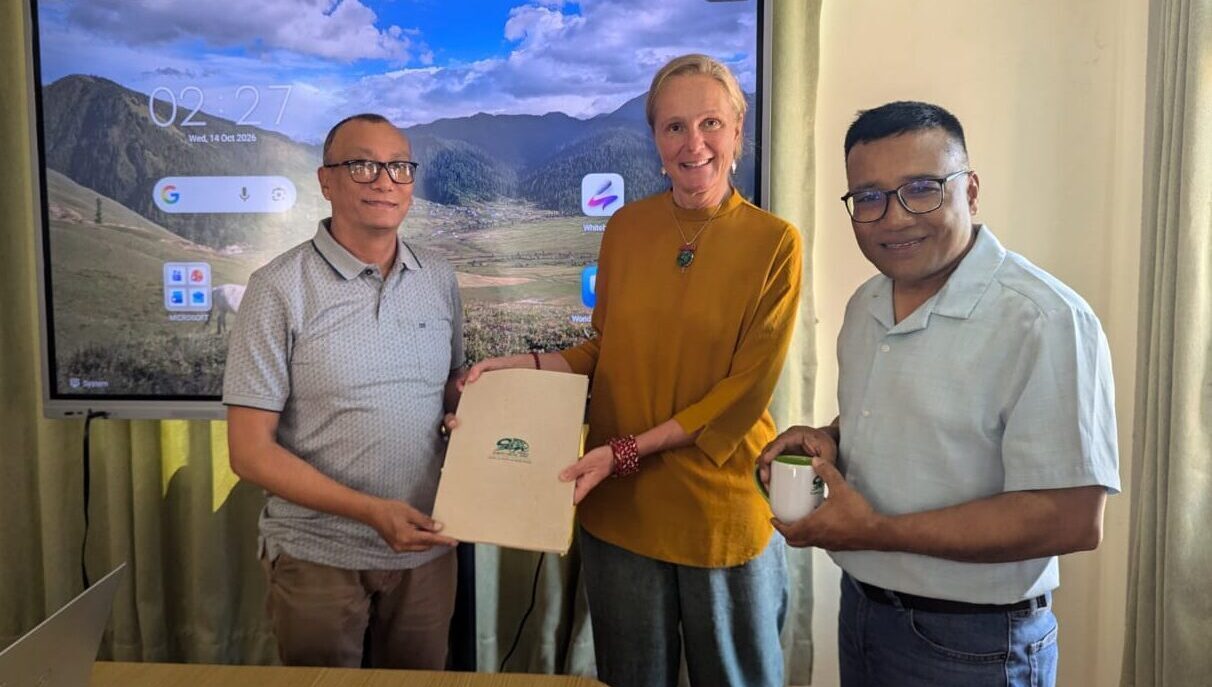
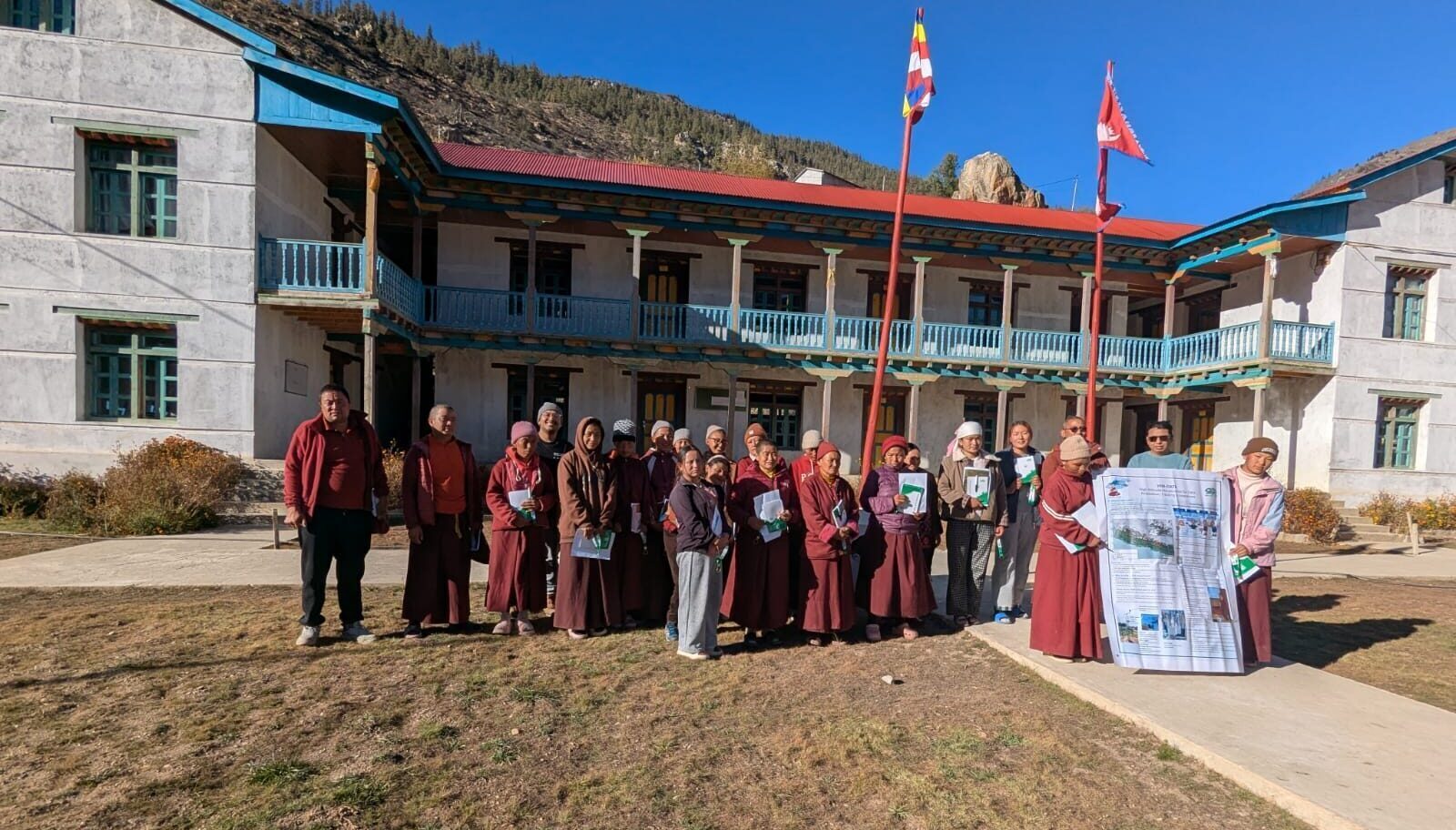
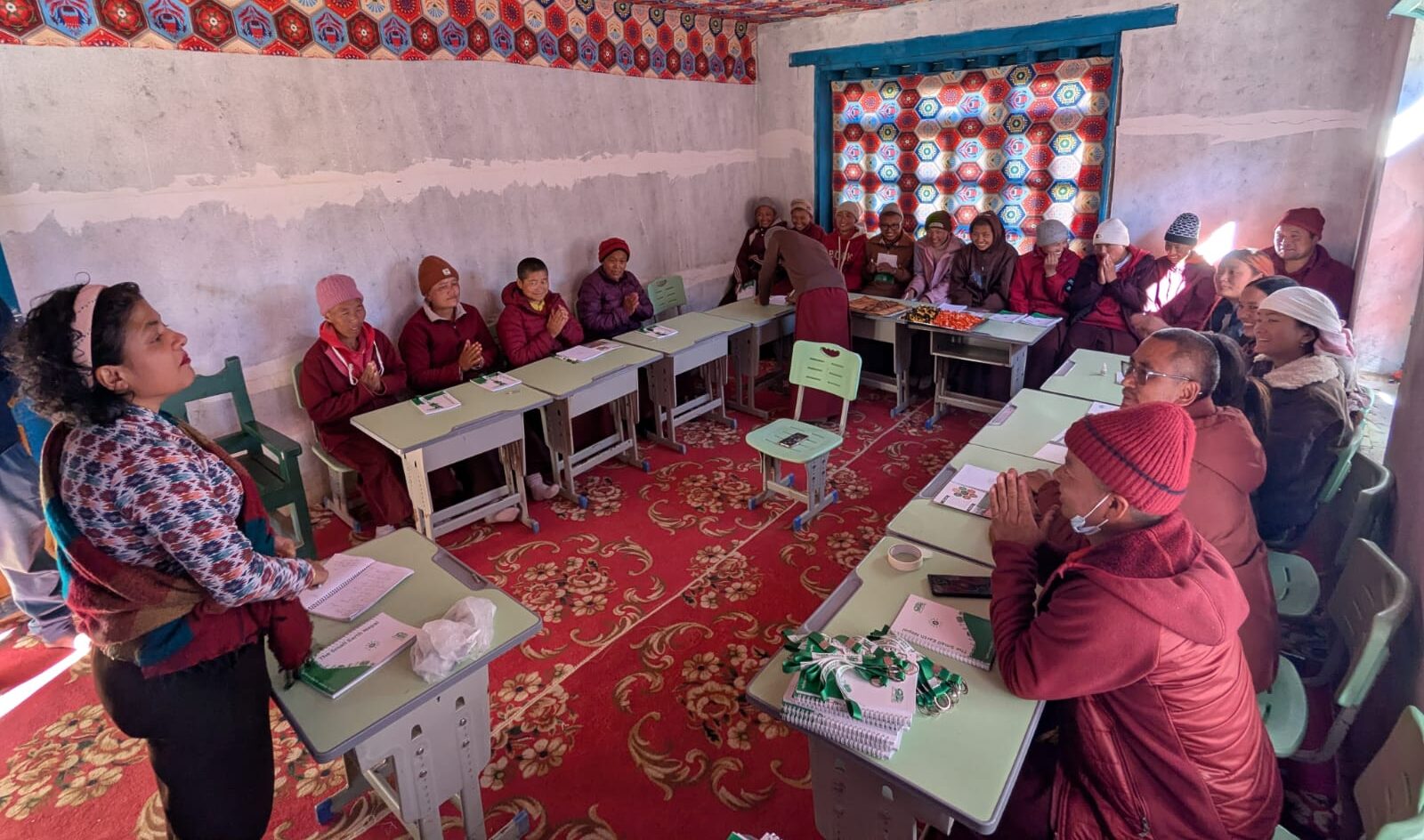
Beyond the installation, the field visit also placed considerable emphasis on building relationships with the monastic community and local institutions. The team sought guidance from the Rinpoche and held discussions with monastic representatives and local government officials to introduce the objectives of HiM-DATA, understand local perspectives and explore opportunities for continued collaboration. On 21 November 2026, the team also conducted an interactive workshop with students at the school located in Anni Gumba. The Yalbang community shared their perspectives on how the surrounding environment has changed over time and how it affects their lives. Such exchanges, as part of the broader citizen science approach are central to the initiative’s approach.
Climate monitoring in remote mountain environments cannot rely on scientific infrastructure alone. It also requires the knowledge, participation and continued engagement of the people and institutions who live in these landscapes and experience environmental changes firsthand. Importantly, HiM-DATA is not conceived as a one-time installation of scientific equipment, it seeks to build lasting relationships through which scientific researchers, monastic communities, local governments and other stakeholders can continuously learn from one another.