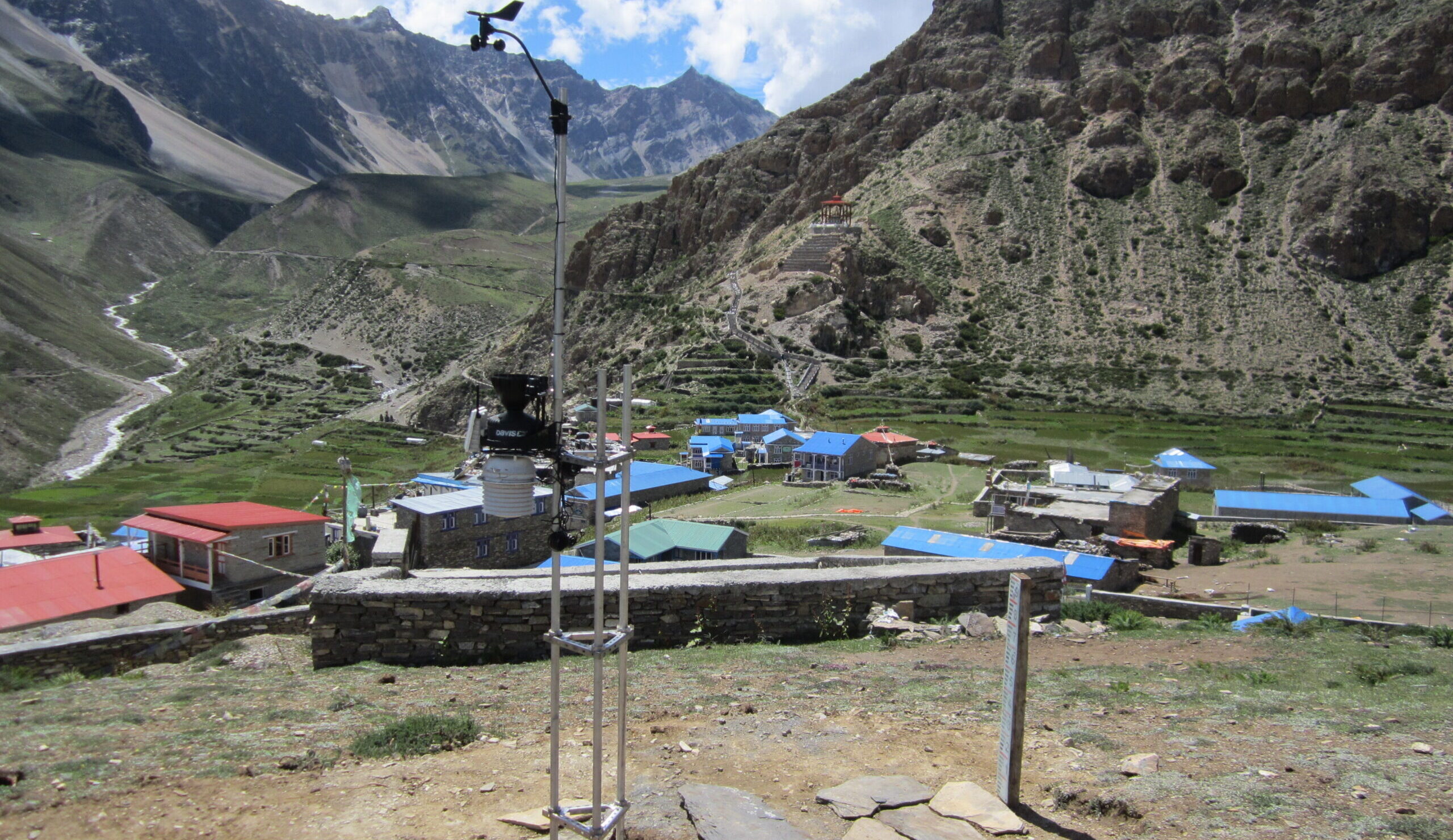
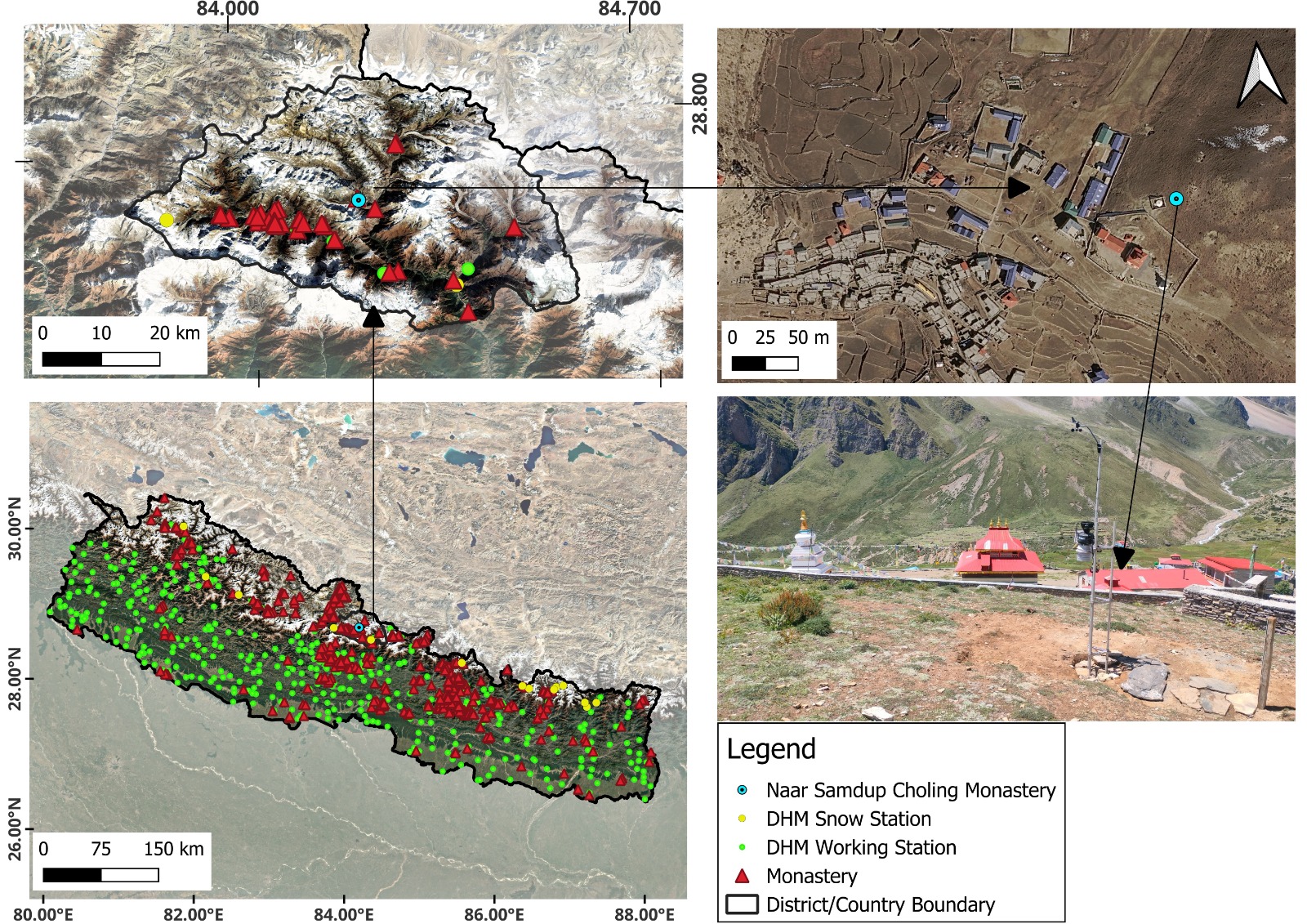
In a major step toward expanding high-elevation climate monitoring in the Himalayas, the HiM-DATA (High-altitude Monasteries for Data Acquisition, Tracking & Awareness) project team from The Small Earth Nepal (SEN) installed its first pre-pilot Automatic Weather Station (AWS) in Nar Village, Manang District, in Nepal on 11 August 2026, to continuously record key meteorological parameters, including temperature, radiation, humidity, wind, and precipitation, contributing to improved availability of climate data from high-altitude areas.
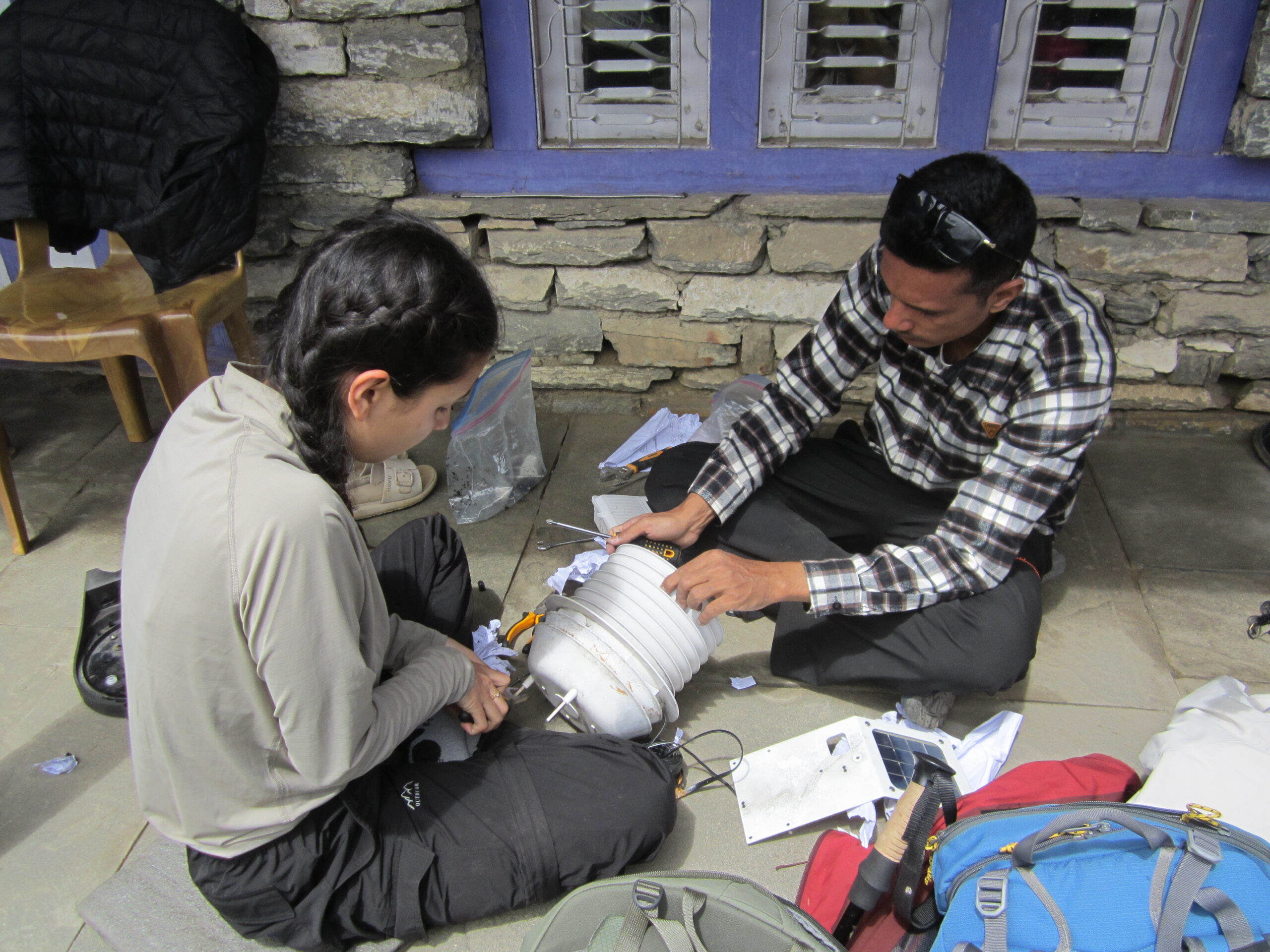
The AWS was provided by Roger Roberge, who is a retired Canadian federal government policymaker and researcher at Environment and Climate Change Canada (ECCC). Today, he continues his commitment to global sustainability as an active member of SEN.
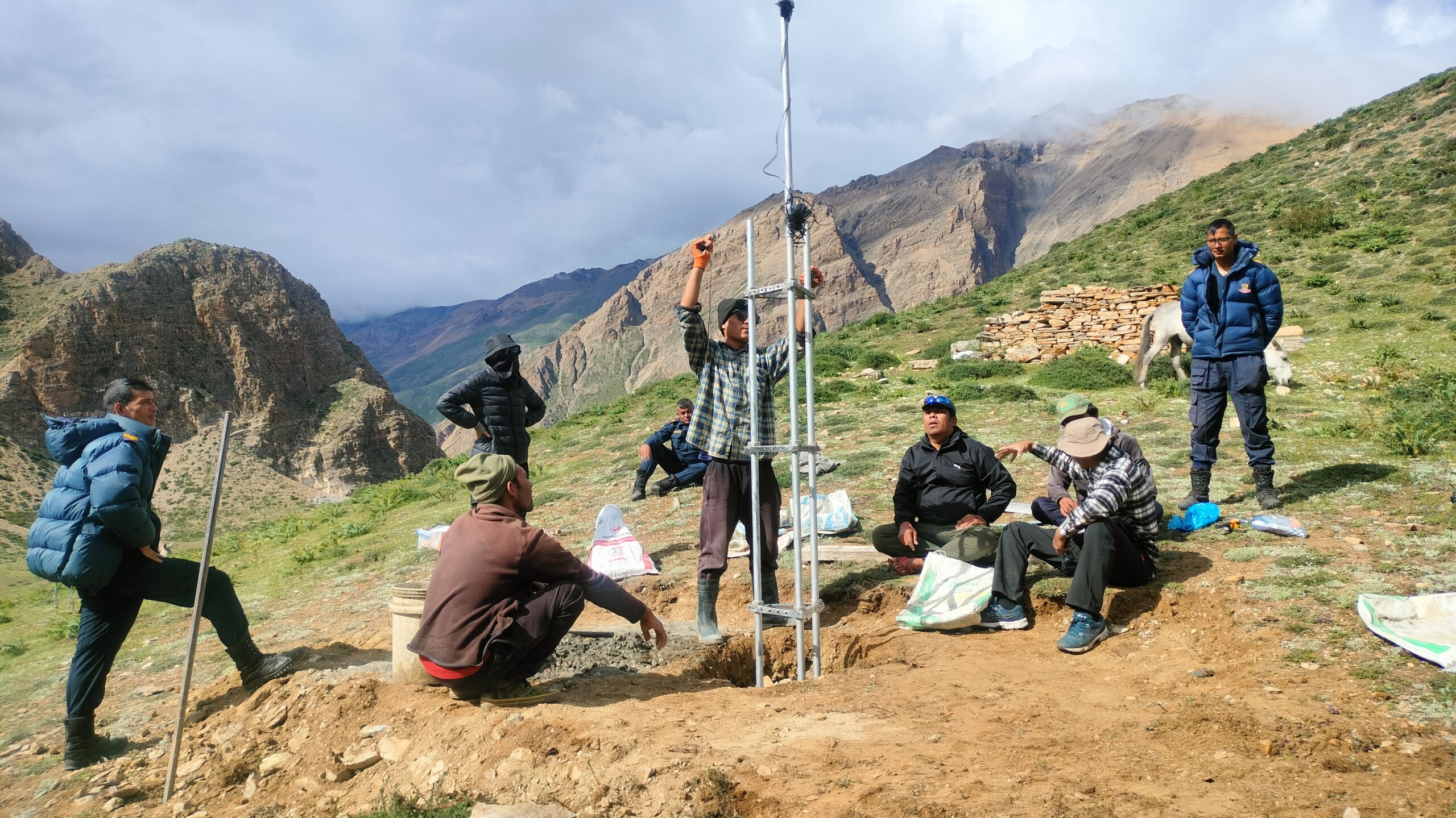
The field team was led by Dr. Dhiraj Pradhananga the Founder President of SEN and the UNESCO Chair in Mountain Cryosphere and Water, Tribhuvan University, and Mr. Jamie Smith, a retired climatologist from the government of Canada (ECCC). Jamie is the President of the Friends of Volunteers Initiative Nepal (VIN), Canada, and an affiliate at SEN.
The team also consisted of Mr. Kumar Aryal, Assistant Professor, Department of Meteorology, Tri-Chandra Multiple Campus, Ms. Reshu Karki, Research Assistant, Ms. Pradnya Pradhan, Intern, and Ms. Andrea Kjeareby Nielsen, a Volunteer at SEN. They partnered with the local monastery and Narpa Bhumi community to bridge critical data gaps and foster local engagement in weather and climate tracking. As part of this effort, Ms. Pradnya Pradhan provided essential support for the AWS installation field visit and a local workshop.
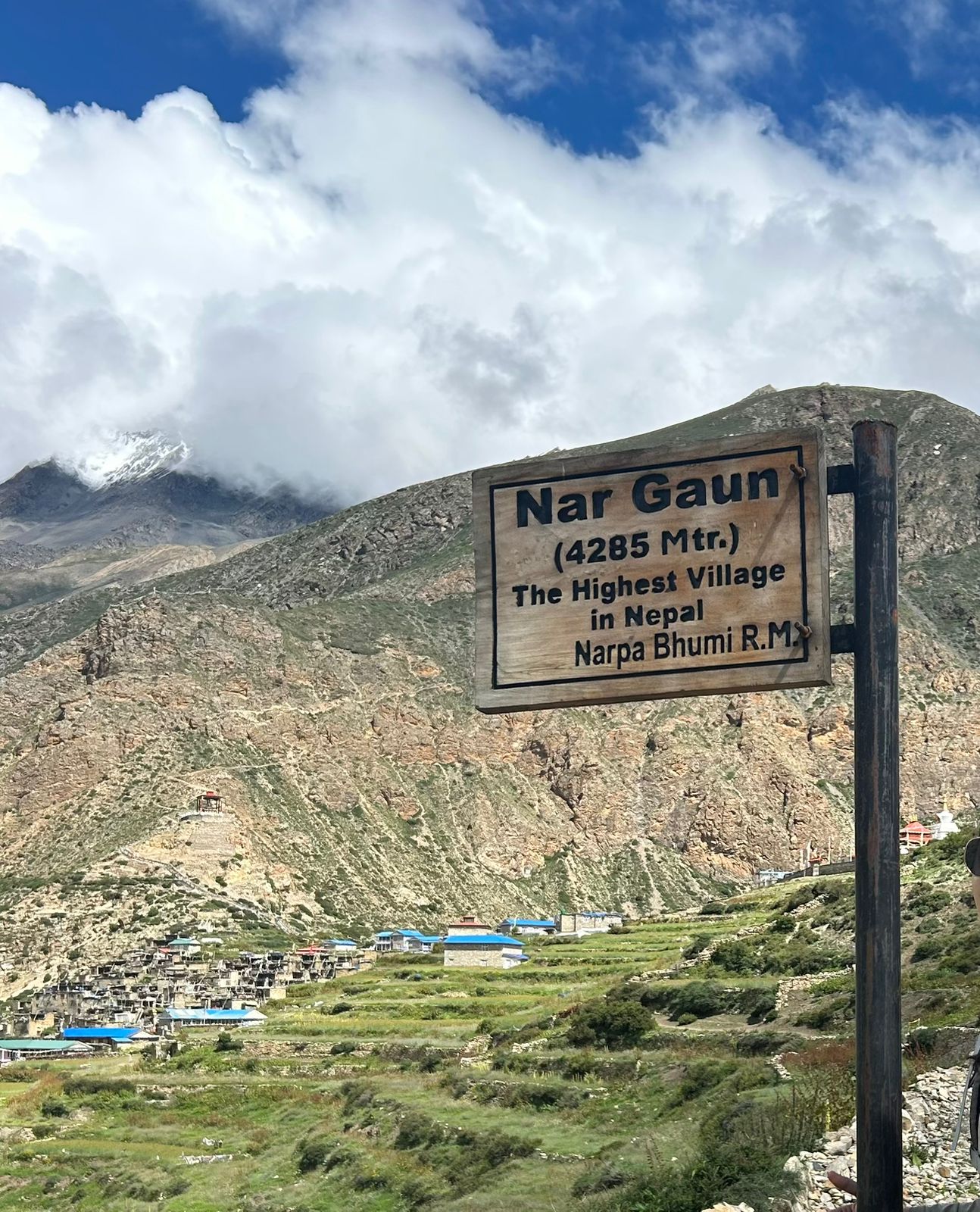
Nar Village, situated at an elevation of 4,285 meters, is one of the highest settlements in Nepal. Its remote, high-altitude location provides an important environment for expanding climate observations, particularly in an area where long-term weather data are very limited. During the field visit, the team worked with the Monastery and local residents to establish an AWS at the Monastery.
Real Time Solutions (RTS), Nepal, supported a camera and a staff gauge to record snowfall which also supports PhD research of Mr. Dinkar Kayastha in analyzing precipitation phase change. The team conducted a climate awareness and orientation workshop at Nar Samdup Choling Monastery with the monks and local participants. During the session, Dr. Pradhananga introduced the HiM-DATA initiative, explained the different sensors installed at the site, and discussed how the station collects weather observations and supports the use of climate information. Participants discussed changing weather patterns, the importance of climate monitoring in the Himalayas, and the potential role of monasteries in supporting long-term observations.
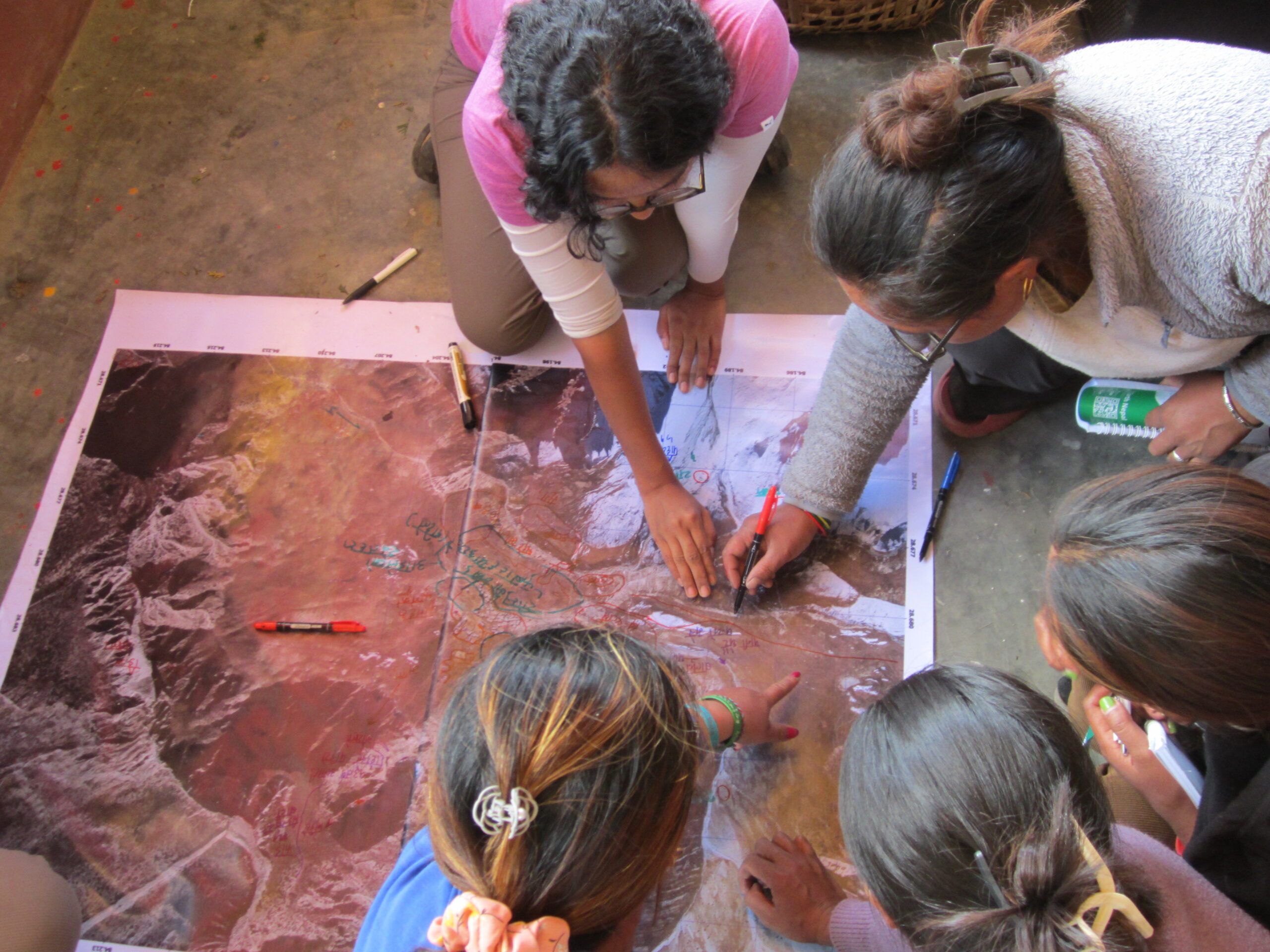
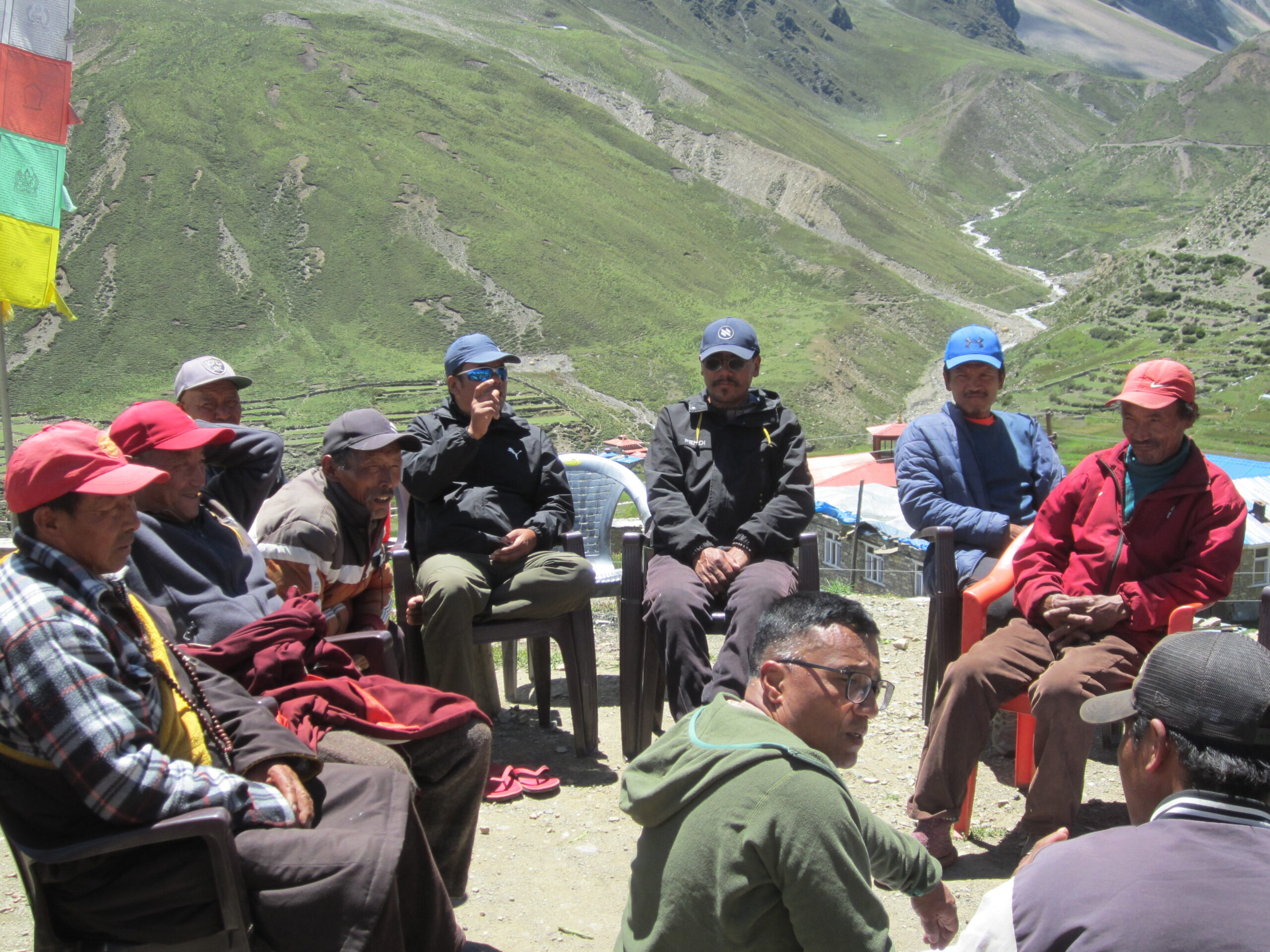
An important part of the workshop was learning from the community itself. Through discussions and a community mapping activity, participants shared their experiences of changing weather patterns such as a decrease in snowfall and an increase in rainfall impacting water availability, agriculture, and livestock. They even observed changes in availability and collection of Himalayan herbs such as Yarshagumba. Their observations highlighted how the mountain environment has changed over time and helped connect scientific climate information with local knowledge and lived experiences.
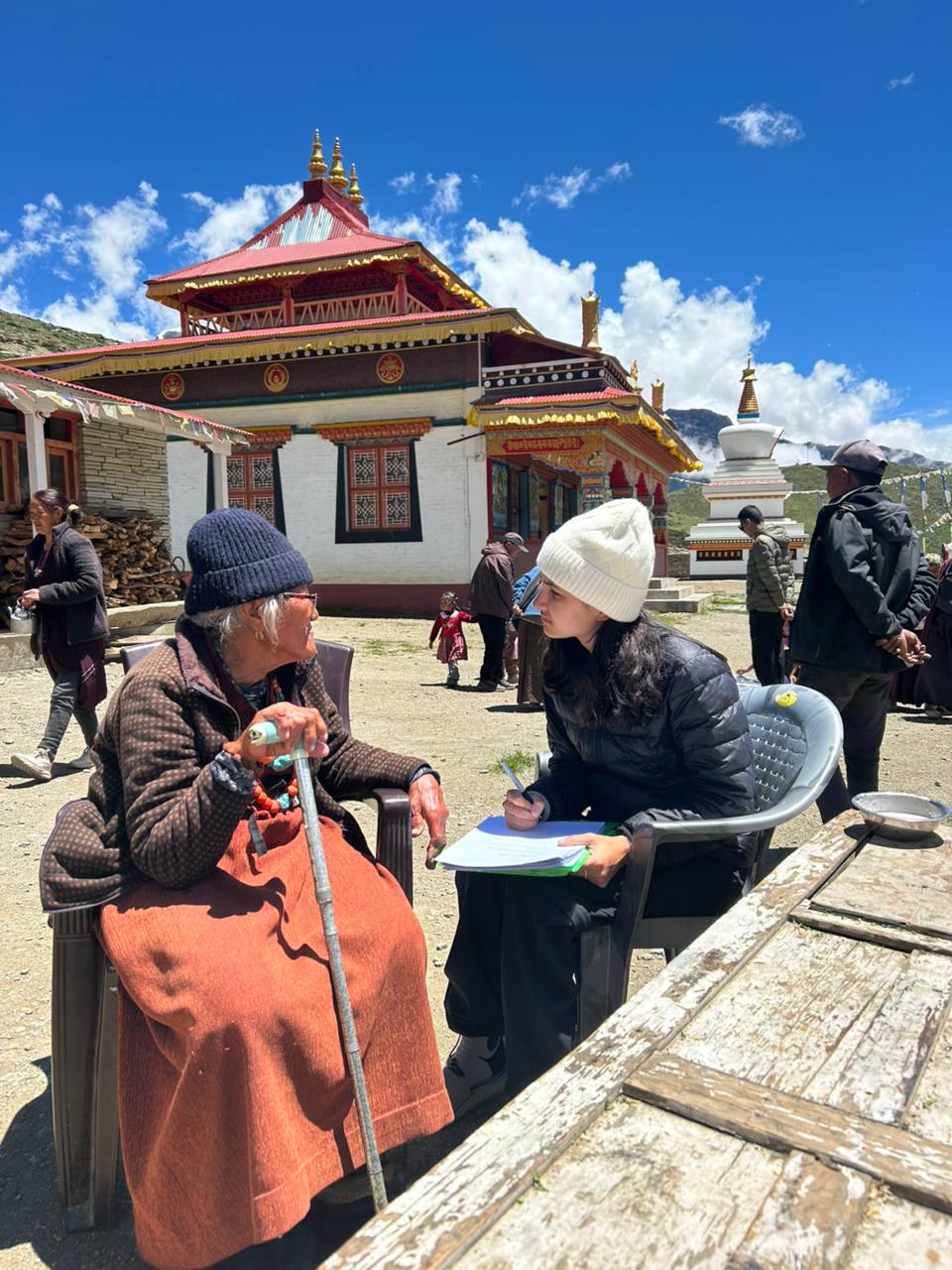
Beyond establishing the AWS, the visit strengthened collaboration with the local government (Narpa Bhumi Rural Municipality), monastery and the local communities, while gaining a deeper understanding of the local context in implementing the HiM-DATA initiative. The experiences and lessons from Nar will help guide future installations of climate stations and community engagements in other locations in the Himalayas.
This marked as an important step towards expanding high-altitude climate monitoring and strengthening locally supported data collection in the Himalayas, while bringing scientific monitoring closer to the communities living in these remote environments.