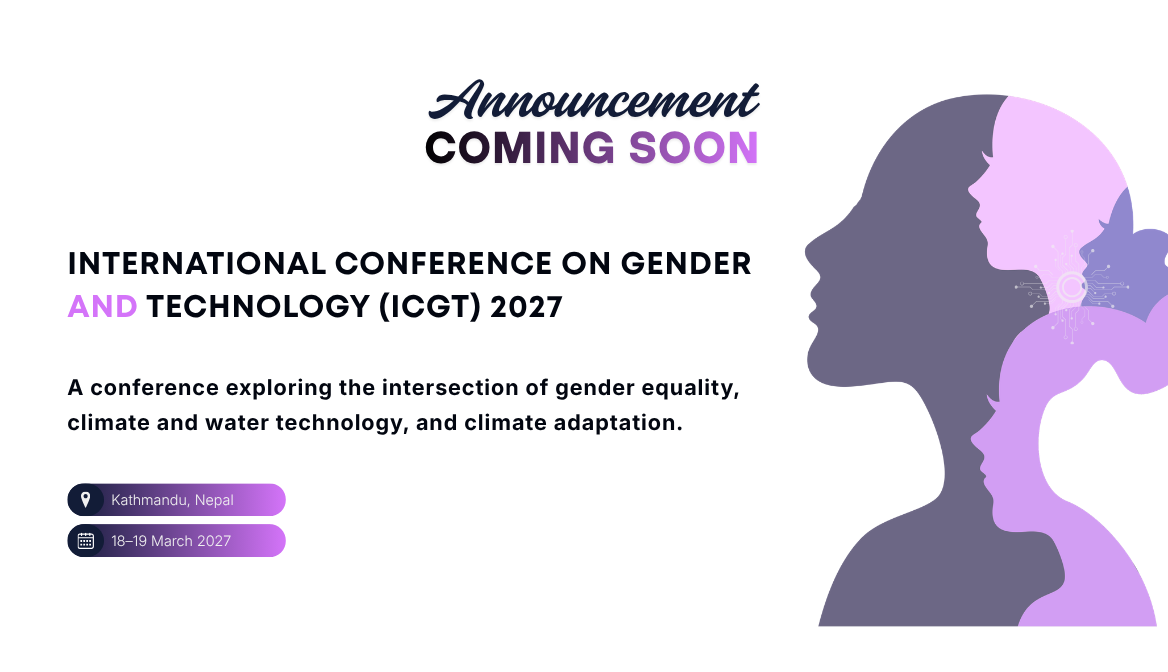
The UNESCO Chair in Mountain Cryosphere and Water, in collaboration with The Small Earth Nepal (SEN) and UNESCO, is organizing the Second International Conference on Gender and Technology (ICGT 2027). The two-day conference will be held under the theme “Advancing Inclusive Innovation for Cryosphere, Water and Climate Resilience” in Kathmandu from 18–19 March 2027. It will bring together more than two hundred national and international researchers, innovators, entrepreneurs, policymakers, indigenous knowledge holders, media practitioners, youth leaders, women-led enterprises, development partners, and climate advocates, and community leaders to examine the place of gender in the technologies, shaping resilience with the water and climate crisis.
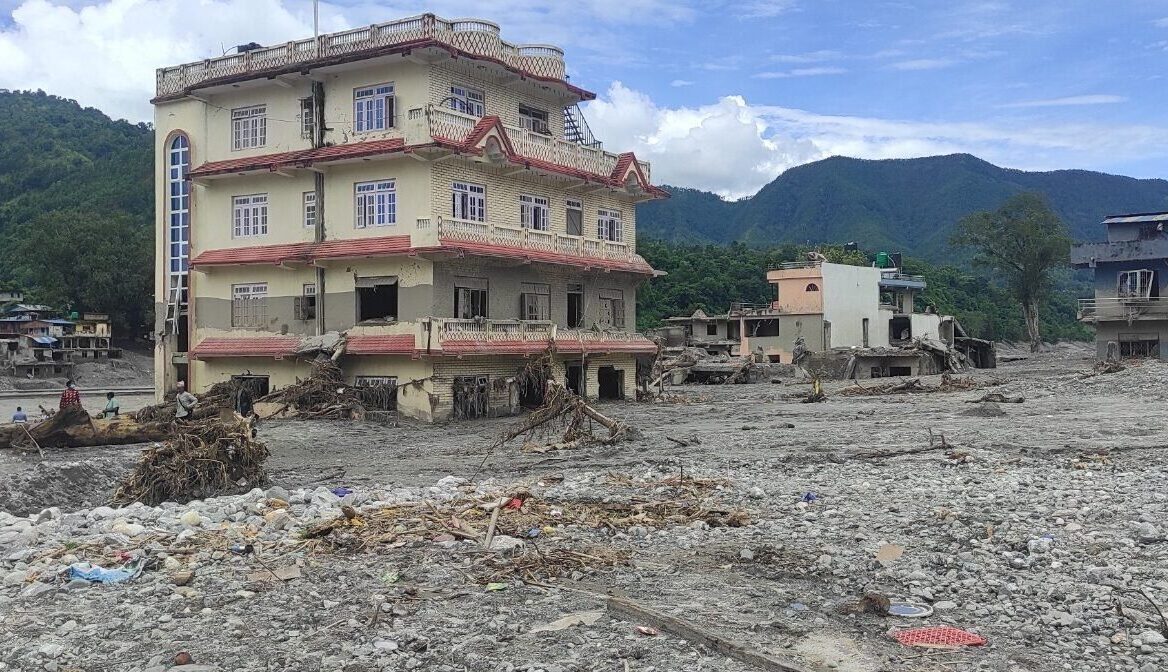
Building on the first International Conference on Gender and Technology, hosted by Amrita University in Kerala, India, in 2025, ICGT 2027 continues to take a grounded approach to the relationship between gender, science, technology, and glaciers, water, and climate systems on which mountain and downstream communities depend. As glacier melt, declining snowpacks, glacial lake outburst floods, and changing water availability increasingly affect how communities secure water, sustain livelihoods, and stay safe, these impacts are experienced disproportionately across gender, geography, and community. The conference recognizes that climate change impacts and technology are not gender-neutral, and that those most affected by water and climate stress are often underrepresented in the systems shaping technological responses.
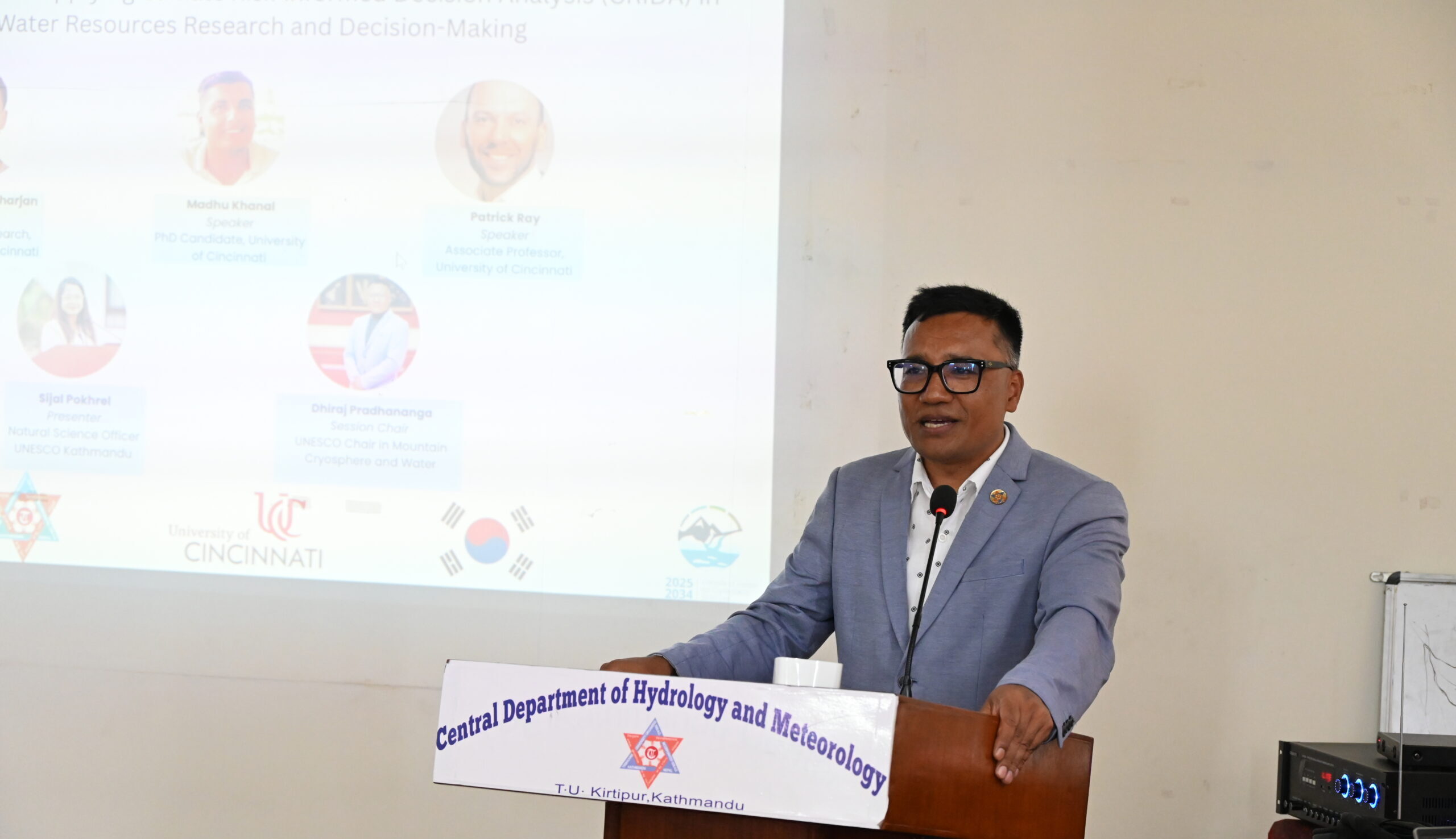
“Climate action cannot be credible, inclusive, or effective if women remain underrepresented in science and decision-making. ICGT 2027 reflects UNESCO’s commitment to gender equality in science by promoting equal participation, diverse knowledge, and inclusive dialogue on our shared water and climate future.”- Dr. Dhiraj Pradhananga, Chairholder, UNESCO Chair in Mountain Cryosphere and Water
The conference is envisioned as a strategic convening platform for gender inclusivity, women’s and girls’ full and equal participation, equal access to science and technology, and gender-responsive climate action — through practical dialogue, evidence-sharing, and regional and international collaboration. In doing so, ICGT 2027 seeks to create space for meaningful discussion on translating global commitments into institutional practice, policy reflection, community engagement, and long-term partnerships.
ICGT 2027 is being shaped in strategic alignment with wider global frameworks, particularly UNESCO’s Call to Action to Close the Gender Gap in Science, the 2030 Agenda for Sustainable Development, the UN Decade of Action for Cryospheric Sciences (DACS 2025–2034), and the Sagarmatha Call for Action. Furthermore, the conference will serve as a constructive platform that can complement ongoing reflection on institutional practice, evidence gaps, and gender-responsive science, technology and innovation (STI) indicators, including those informed by international tools such as the UNESCO SAGA Toolkit.
“ICGT 2027 speaks to priorities at the heart of UNESCO’s global mandate — closing the gender gap in science and ensuring that knowledge from every community informs how the world responds to the climate crisis. We are pleased to see this conversation advanced from Nepal”- Jaco du Toit, UNESCO Representative to Nepal
Over the two days, ICGT 2027 will feature keynote addresses, academic and policy sessions, panel discussions, and practitioner workshops, alongside a Women-Led Ideathon and an innovation showcase spotlighting women-led solutions in water and climate technology. The conference is organized around three thematic pillars: the representation of women and gender-diverse people in water and climate technology; the gendered impacts of water and climate technologies; and the role of Indigenous and local knowledge in building resilient futures.
The conference is intended to produce concrete outcomes beyond the event itself. These include a synthesis of its proceedings, an initial set of gender-responsive science, technology, and innovation (STI) indicators, and new partnerships for follow-up action, alongside a conference statement capturing shared priorities for advancing inclusive innovation in water and climate resilience.
“While talking about water and climate resilience or a resilient future, gender and technology should go hand in hand to help bridge the gap between science, technology, innovation and inclusion. ICGT 2027 will advance efforts to better integrate them for an inclusive and resilient future.”- Mr. Bhawani Shankar Dongol, Executive Director, The Small Earth Nepal
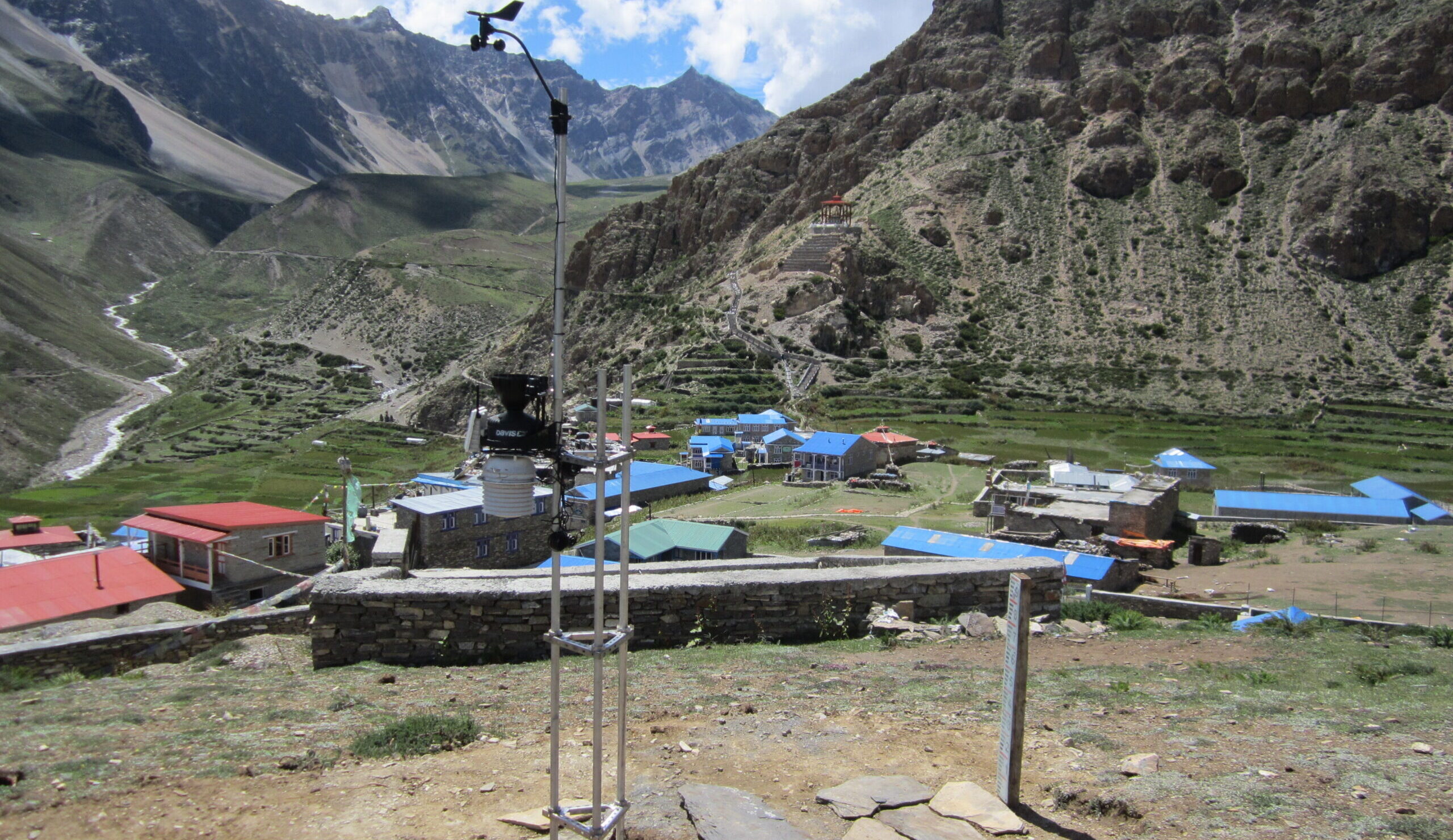
The UNESCO Chair in Mountain Cryosphere and Water is the first UNESCO Chair hosted by Tribhuvan University and co-hosted by The Small Earth Nepal. Operating under the UNITWIN/UNESCO Chairs Programme, it advances research, education, and capacity-building at the intersection of mountain ecosystems, water systems, and climate change in the Hindu Kush Himalaya and beyond. Its work spans research on cryospheric change and water systems, capacity building through field schools and technical training, and community engagement through citizen science, contributing open-access knowledge to global initiatives including UNESCO’s Intergovernmental Hydrological Programme (IHP) and the UN Decade of Action for Cryospheric Sciences (2025–2034). The Chair is held by Dr. Dhiraj Pradhananga, a hydrometeorologist and cryosphere researcher at Tribhuvan University.
ICGT 2027 is a priority initiative of the UNESCO Chair, reflecting its conviction that inclusion and gender equity are integral to mountain and water science. By convening researchers, practitioners, and communities around gender-responsive innovation in water and climate resilience, the conference extends the Chair’s mandate, ensuring that those most affected by cryospheric and water change, including women and marginalized communities, help shape the science and technology that respond to it.
Contact:
Conference Secretariat — UNESCO Chair in Mountain Cryosphere and Water
Manavi Chaulagain: +977 9869526627 · Rahul Rajkarnikar: +977 9843779469 · ICGT@smallearth.org.np
The Small Earth Nepal — +977-9847694139