On 20th August 2026, The Small Earth Nepal (SEN) hosted a special session of SEN Connect and shared key insights and experiences from the field visit to Nar, Manang, where the first Automatic Weather Station (AWS) was successfully installed under the HiM-DATA (High Altitude Monasteries for Data Acquisition, Tracking and Awareness) project as a pre-pilot initiative.
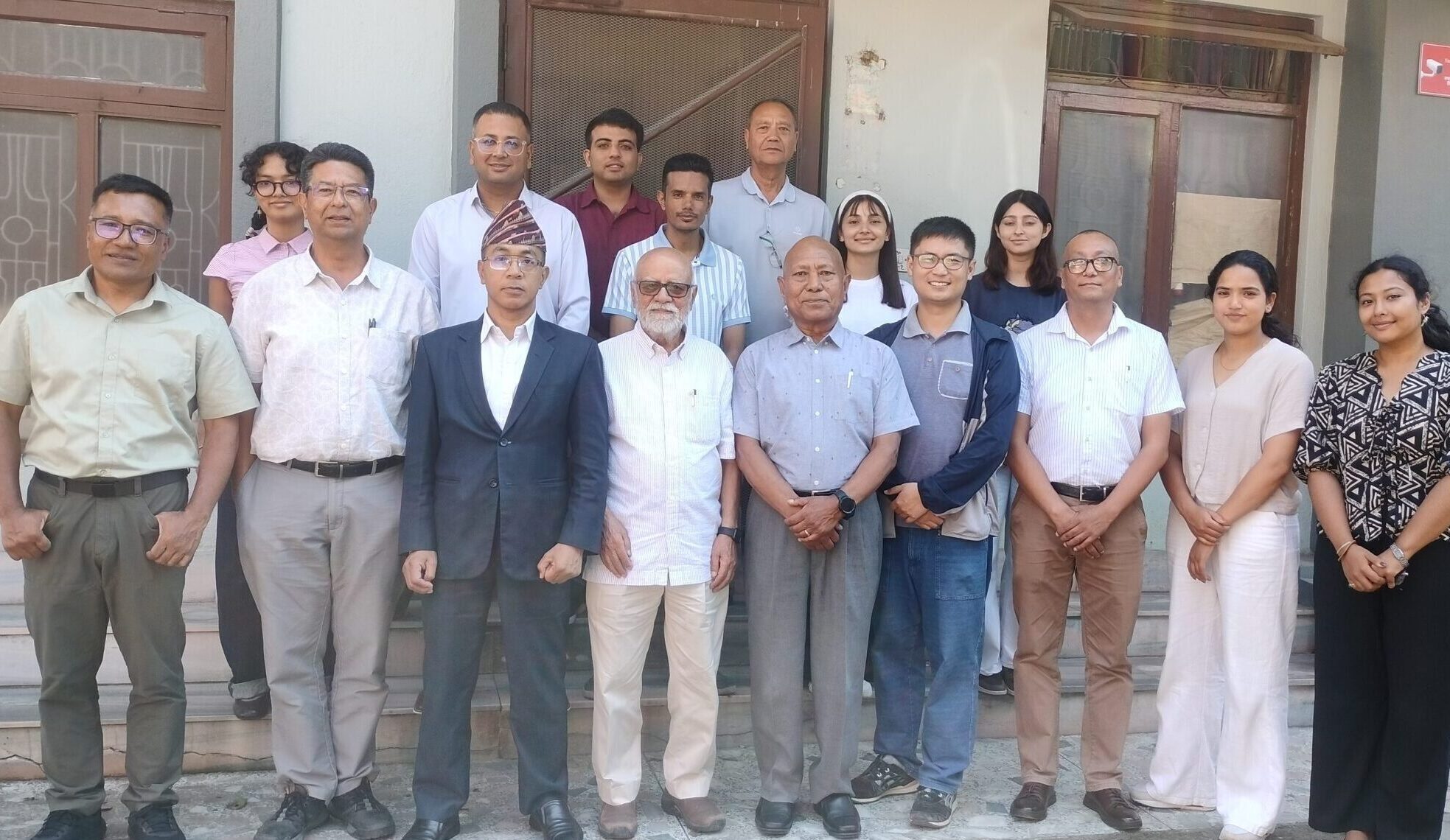
The session was attended by the distinguished participants: Mr. Saraju K Baidya, Secretary, Water and Energy Commission Secretariat (WECS), Dr. Arun Bhakta Shrestha, Chief Executive Officer, Hydrominds, Dr. Prabin Rokaya, Deputy Director and Transboundary Water Specialist, Alberta Environment, and Dr. Rongkun Liu, Water Policy Specialist, International Center for Integrated Mountain Development (ICIMOD), and members and advisors of SEN, including Prof. Suresh Raj Chalise, Dr. Madan Lall Shrestha, and Prof. Rupak Rajbhandari.
Ms. Susa Manandhar, Research Associate and HiM-DATA Project Lead, introduced the vision of the project and its update on the recent Manang field trip.
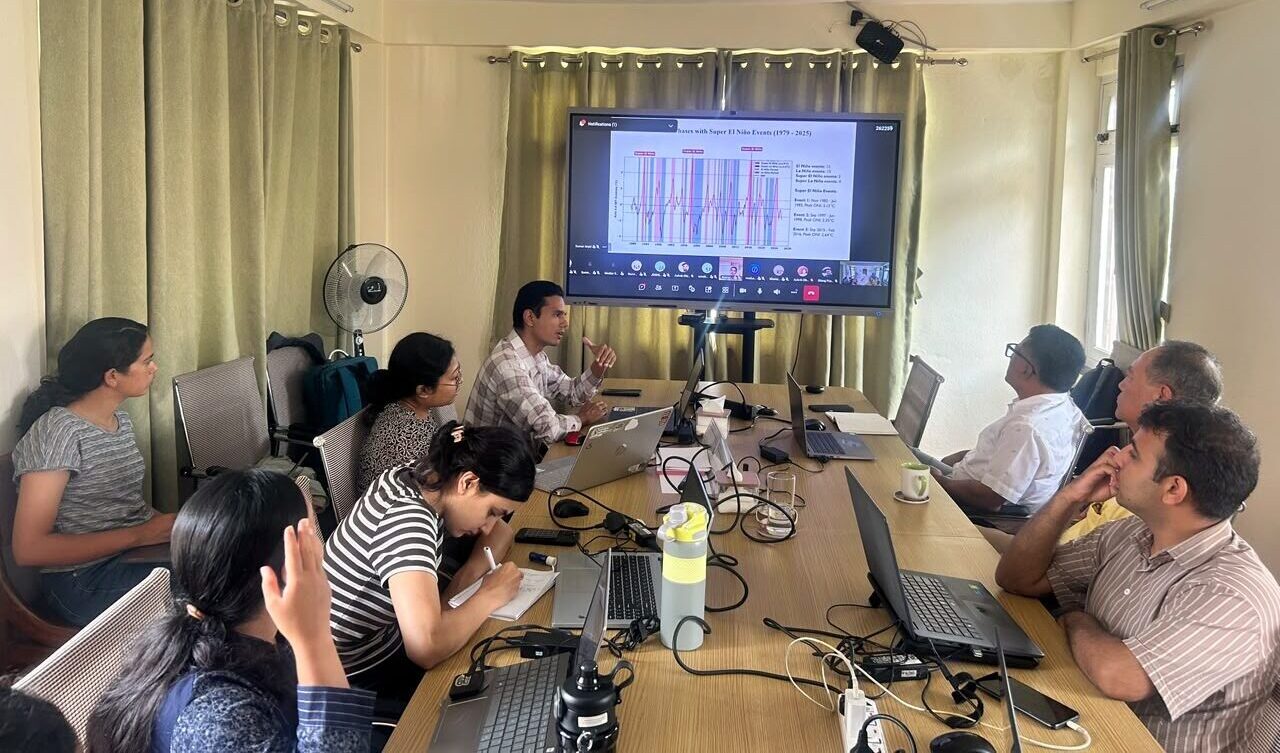
Dr. Dhiraj Pradhananga, the Founder President of SEN and the UNESCO Chair in Mountain Cryosphere and Water, Tribhuvan University recounted the journey to Nar Village in Manang. His presentation showed the remoteness and the difficulty of travel and transport to Nar highlighting the contribution of local porters, community members, and the Narpa Bhumi Rural Municipality Ward Office, exemplifying the indispensable role of local support in the successful implementation of the project.
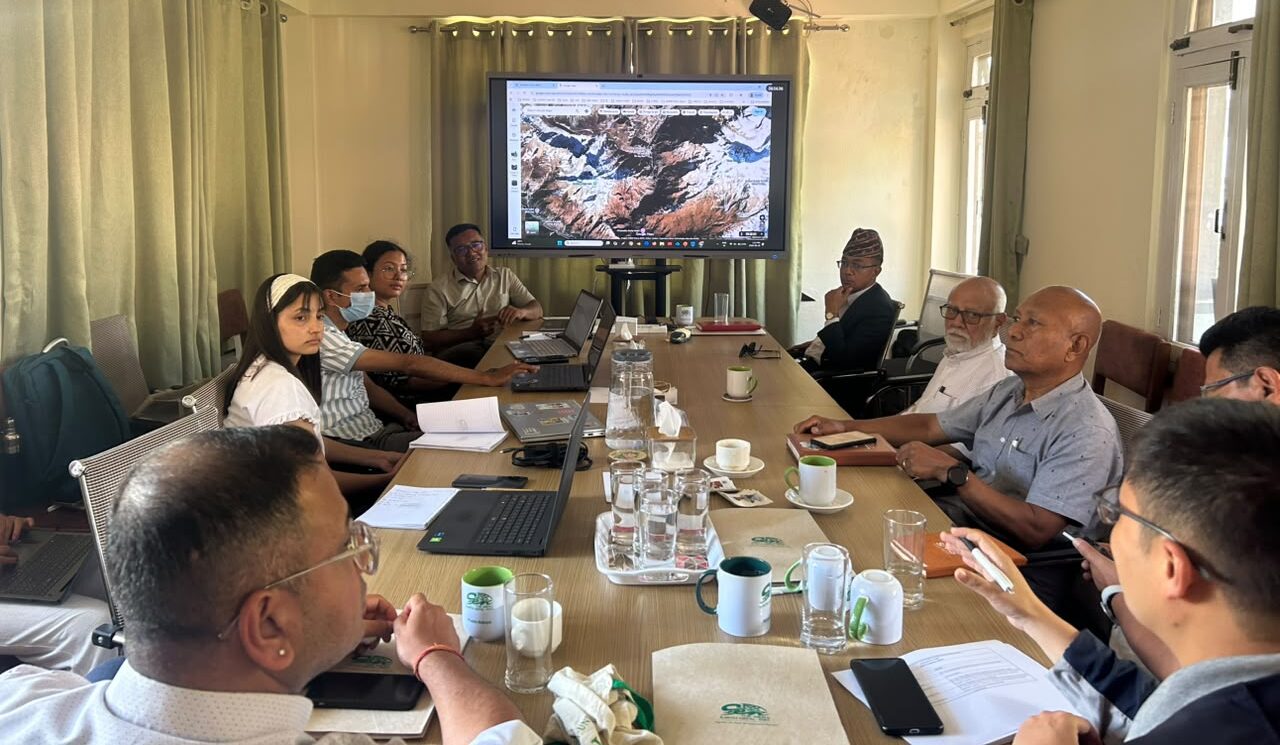
The discussion highlighted the challenges encountered by the team, lack of 4G connectivity required for transmitting data from the camera, and the need for long-term maintenance and upkeep of the station. The session also included questions and suggestions from participants regarding the way forward for HiM-DATA addressing concerns like calibration and maintenance procedures, strengthening the role of local communities in supporting the project, and exploring opportunities to bring Indigenous and scientific knowledge systems together in a more robust way.
The sharing session provided valuable lessons and suggestions from the expert participants for the next phase of HiM-DATA. As the initiative continues to expand across Nepal’s high-altitude regions, Yalbang Monastery in Humla is planned as the next site for expanding climate station and data generation. The discussions and insights helped guide the team for future installations, particularly in relation to station protection, connectivity, maintenance, calibration, and community engagement.