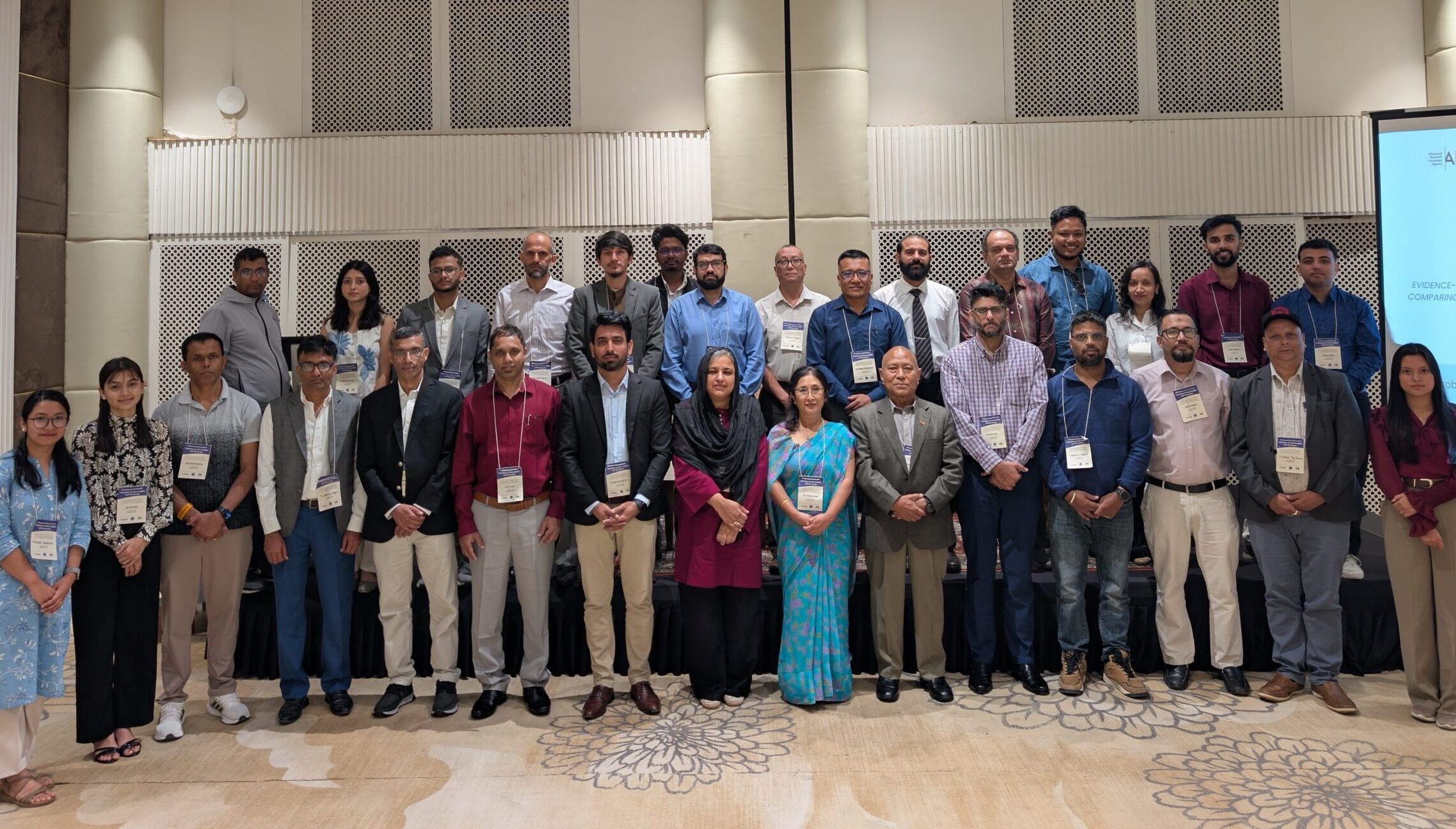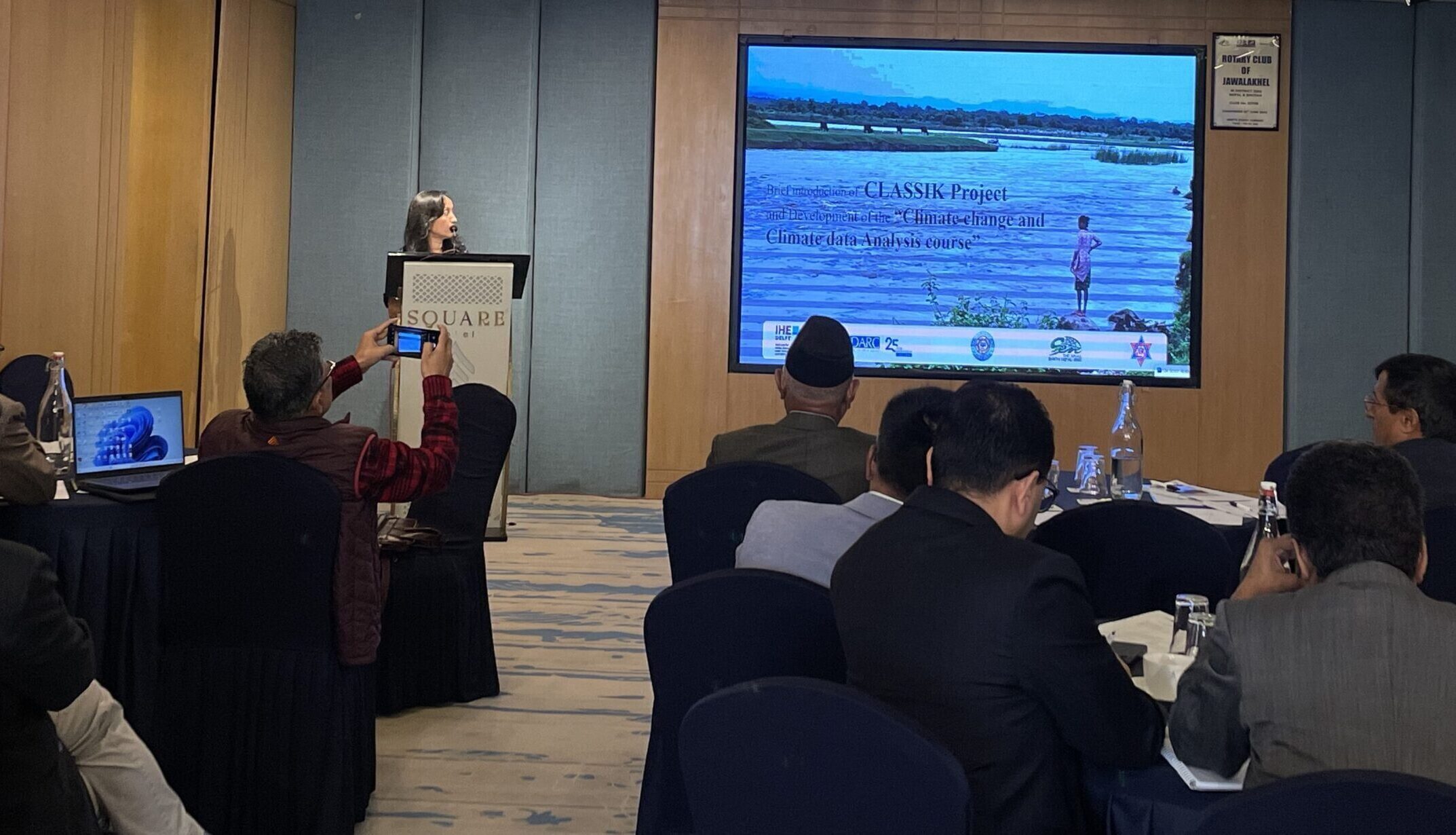
The Small Earth Nepal (SEN), as the consortium lead of the CLASSIK Project, conducted a field visit to monitor community training and policy dialogue activities implemented by the consortium partners in Madhuwan Municipality and Geruwa Rural Municipality, Bardiya. The M&E visit focused on the relevance and quality of the activities, delivery approaches, participant engagement, application of learning, and areas for improvement.
Community-Based Climate Resilience and Water Management Training Session
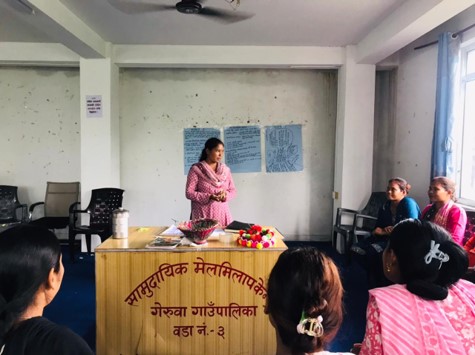
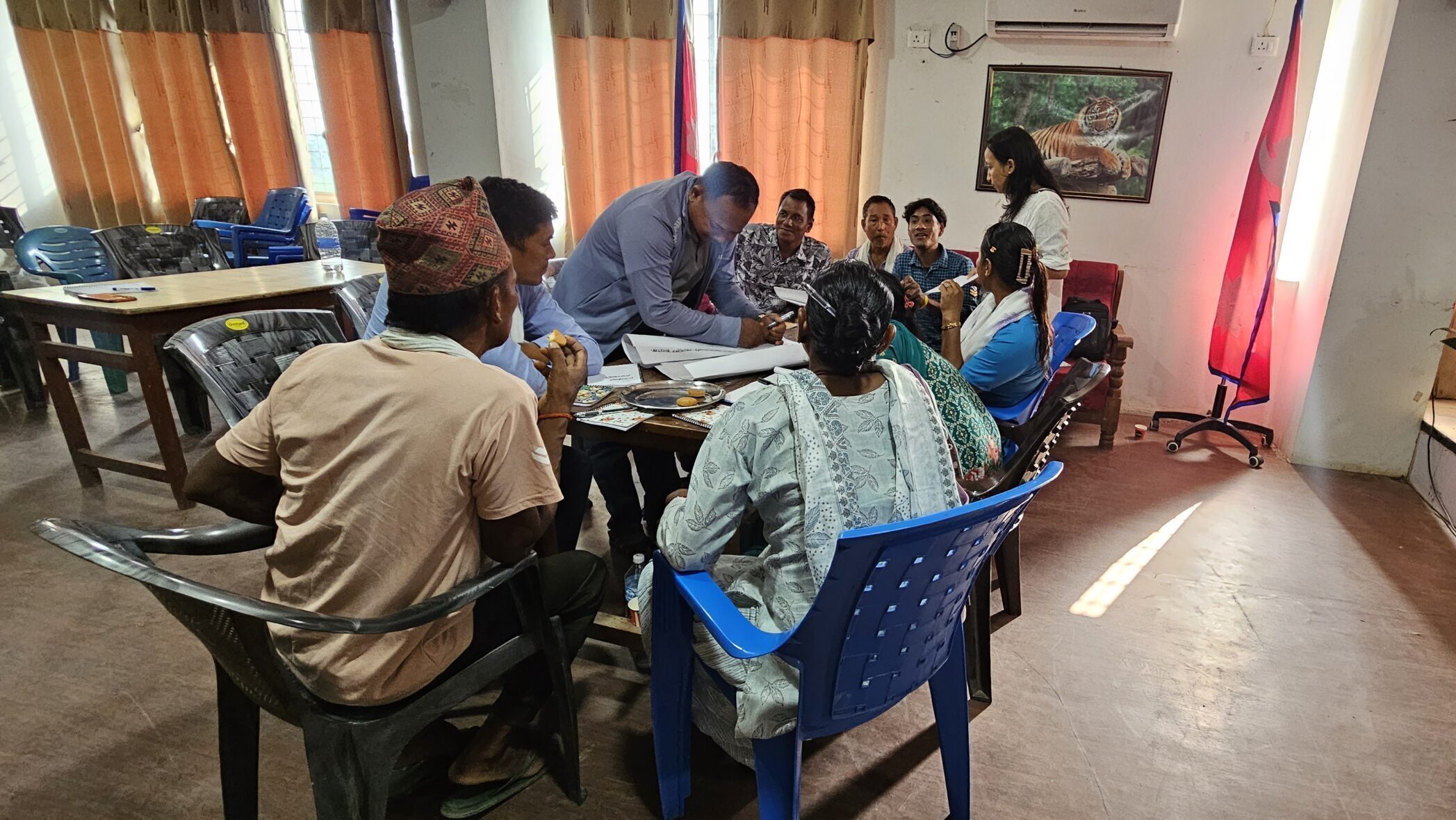
On 2 September 2026, the Tharu Women Upliftment Center (TWUC) organized community-level training sessions for women from the Tharu and other marginalized community members in Madhuwan Municipality (21 participants) and Geruwa Rural Municipality (19 participants). The sessions covered climate change, sustainable water management, Indigenous community rights, and related communities.
During the sessions, the SEN team observed the delivery approach, relevance of the training content, confidence of the trainers, and level of interaction among participants, particularly around Indigenous water management practices and the causes and impacts of climate change. The two trainers previously acquired Training of Trainers (ToT) conducted the training sessions by sharing their learning with community participants.
The sessions were participatory, with participants sharing their experiences through open discussions and group work. Discussions with participants indicated that some of the learning had already been applied at the household and community levels. Examples included more careful household water use, the use of Pani Heralu for irrigation canal management, and efforts to identify and revive local water sources.
Findings revealed that some of the topics could be further adapted to the local context, particularly by incorporating greater attention to flood-related disaster risk management and locally experienced climate risks. It was realized that the use of technical terms, definitions, and references could be simplified to make the content more usable and relevant to community participants.
Jal Kachahari
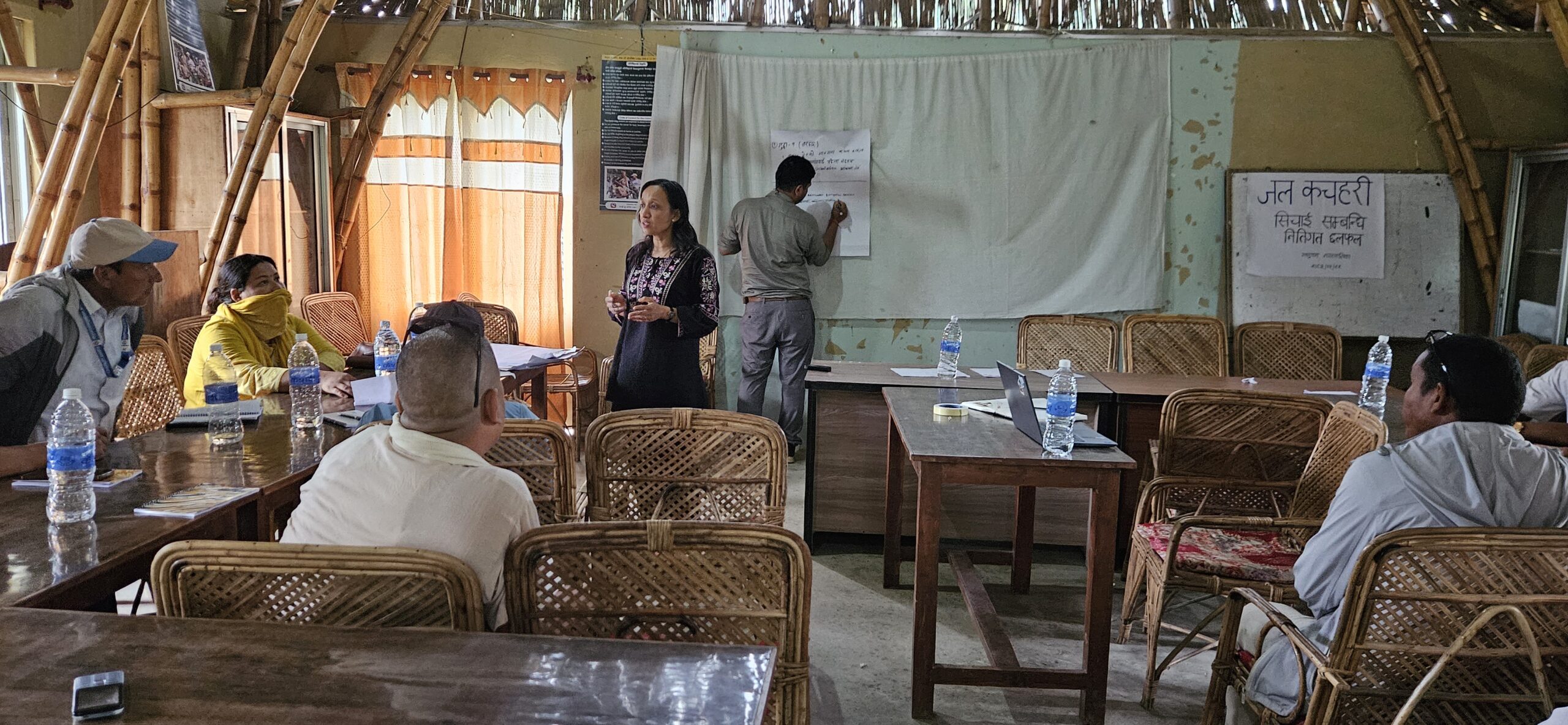
The SEN team monitored the Jal Kachahari policy dialogue activities organized by the Karnali Integrated Rural Development and Research Centre (KIRDARC) in Madhuwan Municipality and Geruwa Rural Municipality. The M&E team monitored the Madhuwan dialogue on 7 September and the Geruwa dialogue on 9 September 2026. The process included stakeholder group discussions and presentations, followed by open-floor discussions.
The Jal Kachahari brought together community members, irrigation water users, local government representatives, Badghar, and other relevant stakeholders to discuss irrigation water management and related governance concerns. Participants identified several challenges affecting irrigation management. These included the dependence on temporary or earthen irrigation structures, insufficient water availability during dry periods, damage to water infrastructure during high flows, water leakage and distribution challenges, and difficulties in maintaining water sources located within protected areas. Participants also highlighted gaps in coordination between local institutions and different levels of government.
The discussions highlighted the importance of the Badghar system in local water management and the need for clearer linkages between traditional community institutions and formal irrigation governance structures. Participants discussed the possibility of formal representation of Badghar in irrigation-related decision-making structures and greater recognition of their roles in local water management.
The Jal Kachahari identified opportunities for improving the sustainability and efficiency of irrigation management. These included the use of canal operators or Pani Heralu to support water distribution, Alternate Wetting and Drying (AWD), pond construction for water storage and groundwater recharge, promotion of drought-tolerant crops, and Direct-Seeded Rice (DSR).
Key M&E Observations and Learning
The M&E visit provided SEN with an opportunity to assess how the activities were being implemented at the community level and to identify lessons for strengthening future capacity-building and policy dialogue activities under the CLASSIK Project. The observations indicated that both the training and Jal Kachahari provided spaces for community members to connect project learning with their existing knowledge and experiences.
The activities also demonstrated the value of linking community-level capacity building with policy dialogue. While the training focused primarily on knowledge and practices related to climate resilience, indigenous knowledge, and water management, the Jal Kachahari created a space to bring community experiences and institutional challenges into discussions with local authorities and other stakeholders.
Future activities could further strengthen this linkage by adapting technical content to local contexts, giving greater attention to locally relevant climate and disaster risks, clarifying institutional roles, and documenting community-led water management practices and proposed actions emerging from the dialogues.