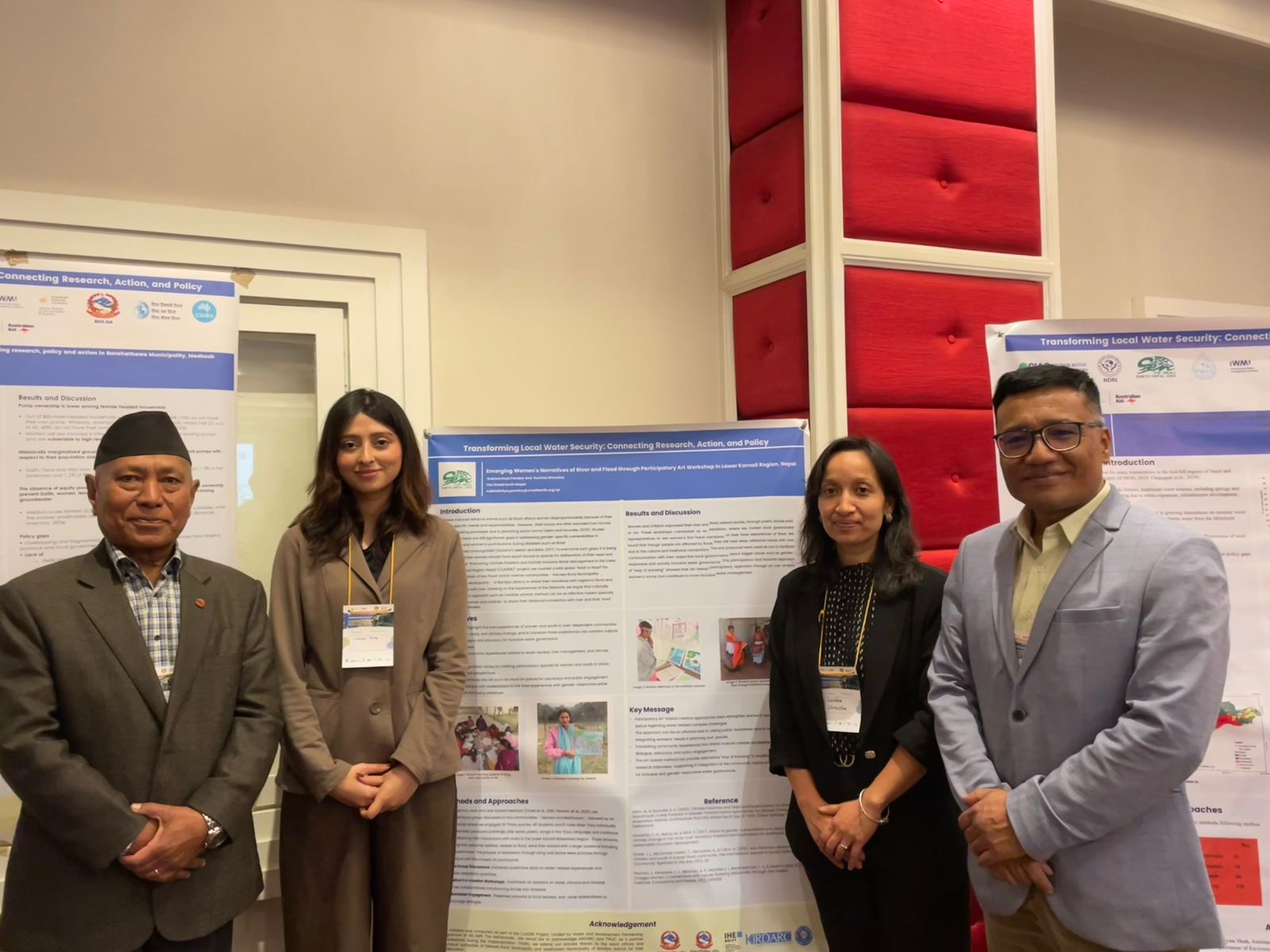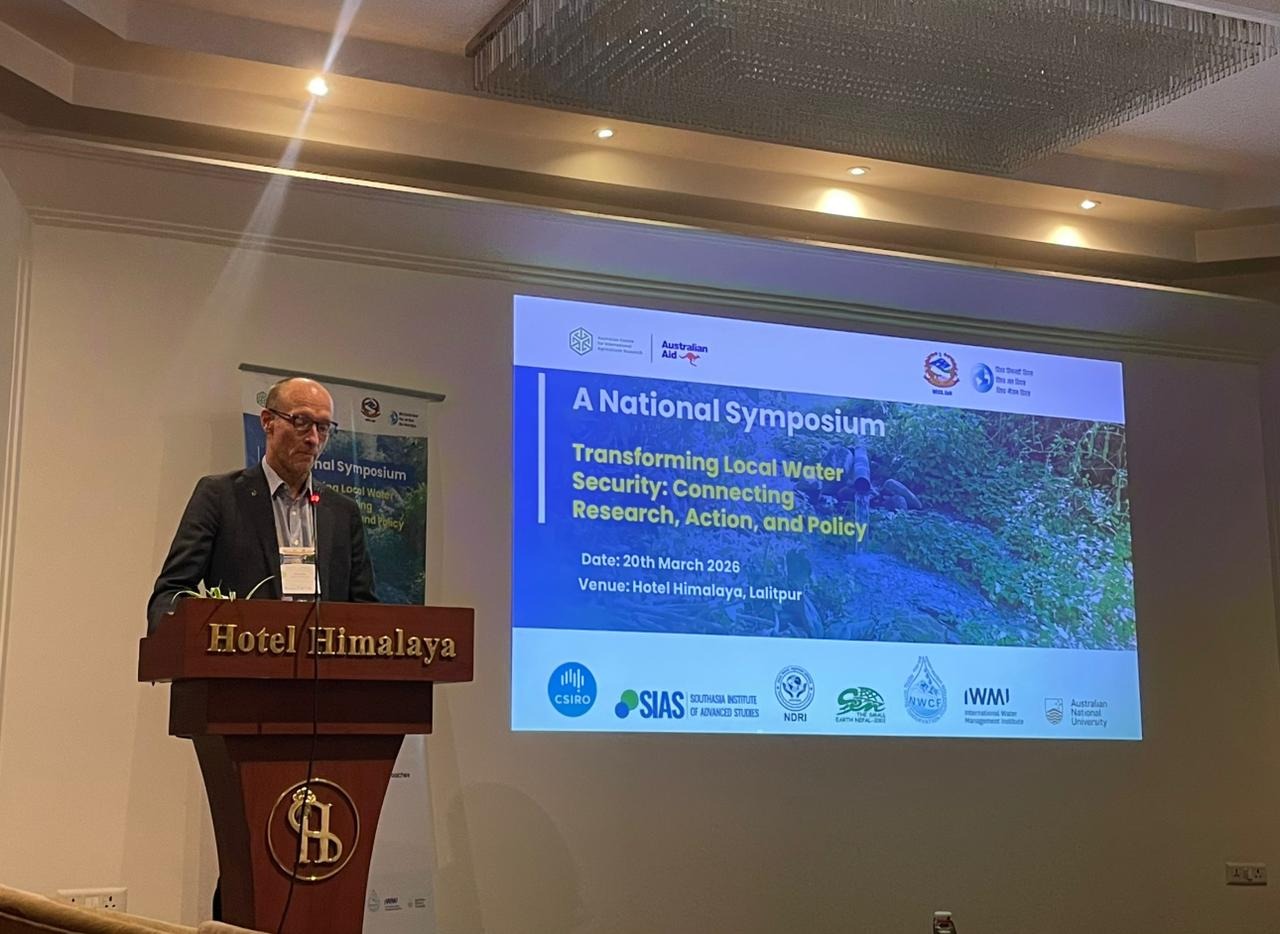
On 20 March 2026, a national symposium on “Transforming Local Water Security: Connecting Research, Action, and Policy” was held in Lalitpur as part of Nepal National Glacier, Water and Weather Week 2026. The event was jointly organized by South Asia Institute of Advanced Studies (SIAS), The Small Earth Nepal (SEN), Nepal Development Research Institute (NDRI), International Water Management Institute (IWMI), Nepal Water Conservation Foundation (NWCF), and Australian National University (ANU), in collaboration with Water and Energy Commission Secretariat (WECS). It brought together experts, policymakers, researchers, and development partners to address pressing water challenges in Nepal.
The symposium emphasized the urgent need to better connect research, policy, and local action in the face of escalating climate risks to water systems. Institutional representatives highlighted the importance of policy coherence, cross-sectoral coordination, and international collaboration to respond to increasingly complex water challenges.
Key Thematic Areas
The programme was structured into three thematic sessions:
- Local water systems and restoration: Focused on practical and technological approaches to conservation, including aquifer recharge, addressing pesticide pollution, and tackling the growing vulnerability of springs under climate stress.
- Inclusive water governance: Explored equity and gender dimensions, institutional dynamics, and the role of wetlands, emphasizing that water governance must move beyond technical solutions to incorporate social inclusion.
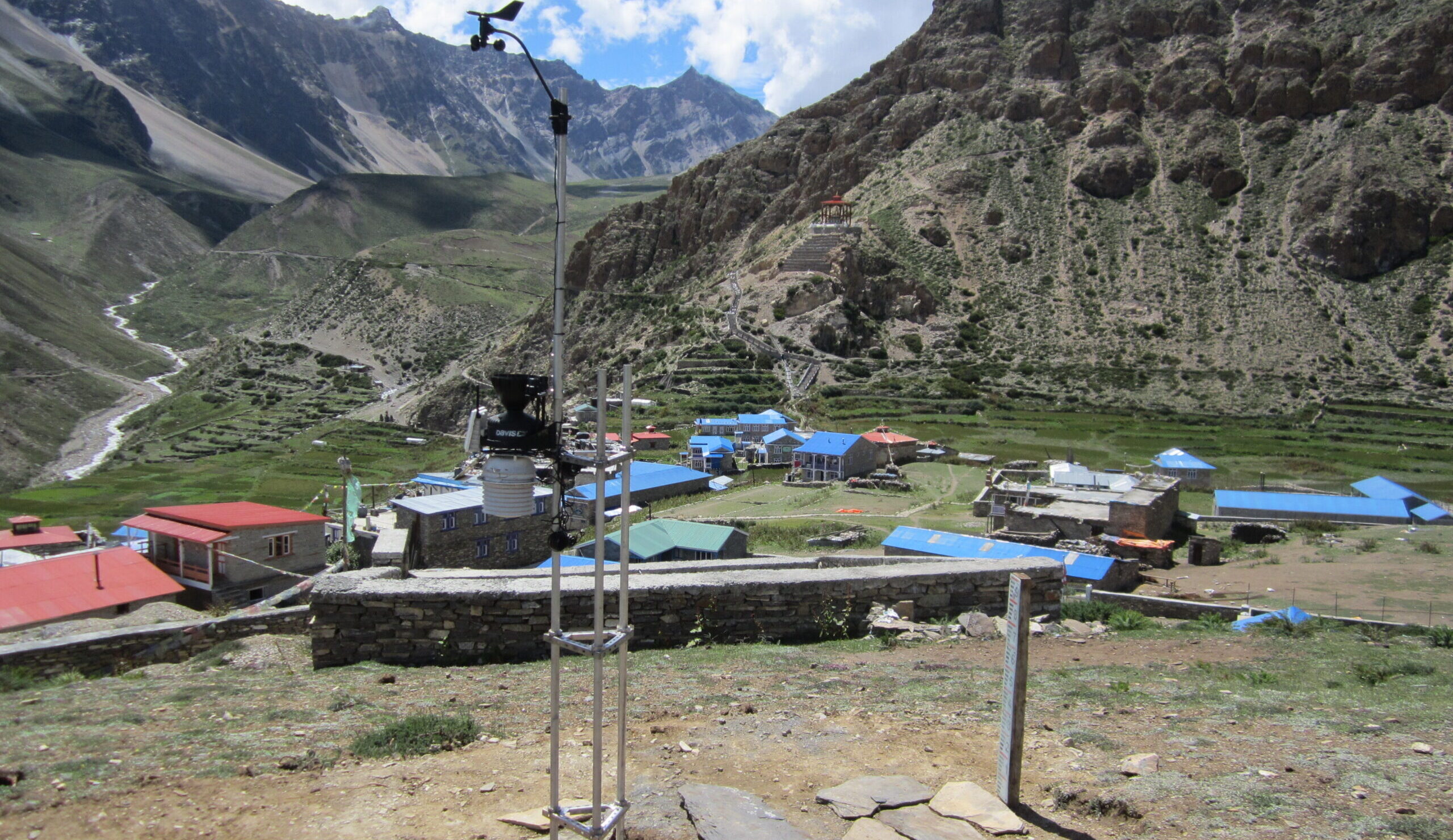
- Hydro-social analytical tools: Highlighted advances in understanding glacial systems, hydropower, flood governance, and mountain water security through integrated analytical approaches.
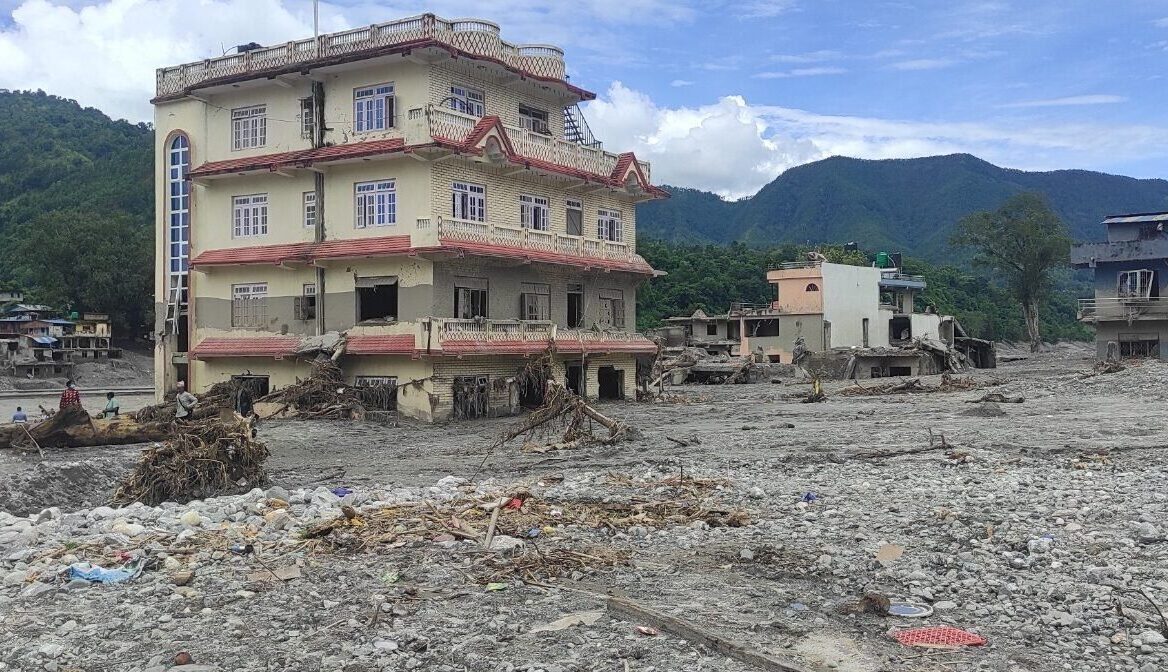
The symposium moved beyond identifying challenges and highlighted several important shifts in perspective and practice. A central insight was the need to better connect science with real-world application, with research demonstrating how improved flood modeling and analysis of rain-on-snow events can support risk reduction in vulnerable basins such as the Lower Karnali River. Discussions also emphasized stronger linkages between upstream cryosphere dynamics and downstream water risks, pointing to the need for more integrated, basin-level planning.
Another key takeaway was the value of lived experiences in shaping knowledge systems. Participatory and creative approaches showed how local narratives, particularly from women in flood-prone areas, can inform more inclusive and context-sensitive policies. Participants also stressed the importance of moving from token representation toward meaningful influence of marginalized groups in decision-making. Overall, the need to translate technical research into practical, locally grounded solutions emerged as a clear priority.
A multi-stakeholder panel discussion brought together perspectives from academia, government, and climate and water sectors to reflect on emerging risks and responses. The discussion underscored that Nepal’s water systems are under increasing pressure from climate change, unplanned urbanization, and unsustainable practices, leading to drying springs, declining groundwater levels, and rising flood risks. Panelists emphasized the importance of integrated planning at the basin level, stronger alignment between national policies and local realities, closer collaboration across institutions, and increased investment in climate-resilient water management systems.
The symposium concluded with a clear call for more integrated and inclusive approaches to water governance. It highlighted that long-term water security in Nepal will depend on stronger collaboration across research, policy, and practice, along with a greater focus on translating knowledge into concrete actions at the community level.