On March 26, 2026, The Small Earth Nepal (SEN), Chaudhary Foundation (CF), and Karnali Integrated Rural Development and Research Centre (KIRDARC) Nepal organized Nadi and Naari (Trans Rivers and Women)- an art conclave- as part of the sixth edition of the Third Pole Series. Held as a post-event celebration of Nepal National Glacier, Water and Weather Week (NNGWWW 2026), the session aligned closely with this year’s World Water Day theme, Gender and Water.
The program focused on the deep connection between river ecosystems and the lives of women in river-dependent communities. It also highlighted the story of a displaced mountainous community affected by water scarcity in the trans-Himalayan region, placing their experiences and efforts at the center of the conversation.
Around 50 invitees representing different organizations working in the fields of gender and water attended the event.
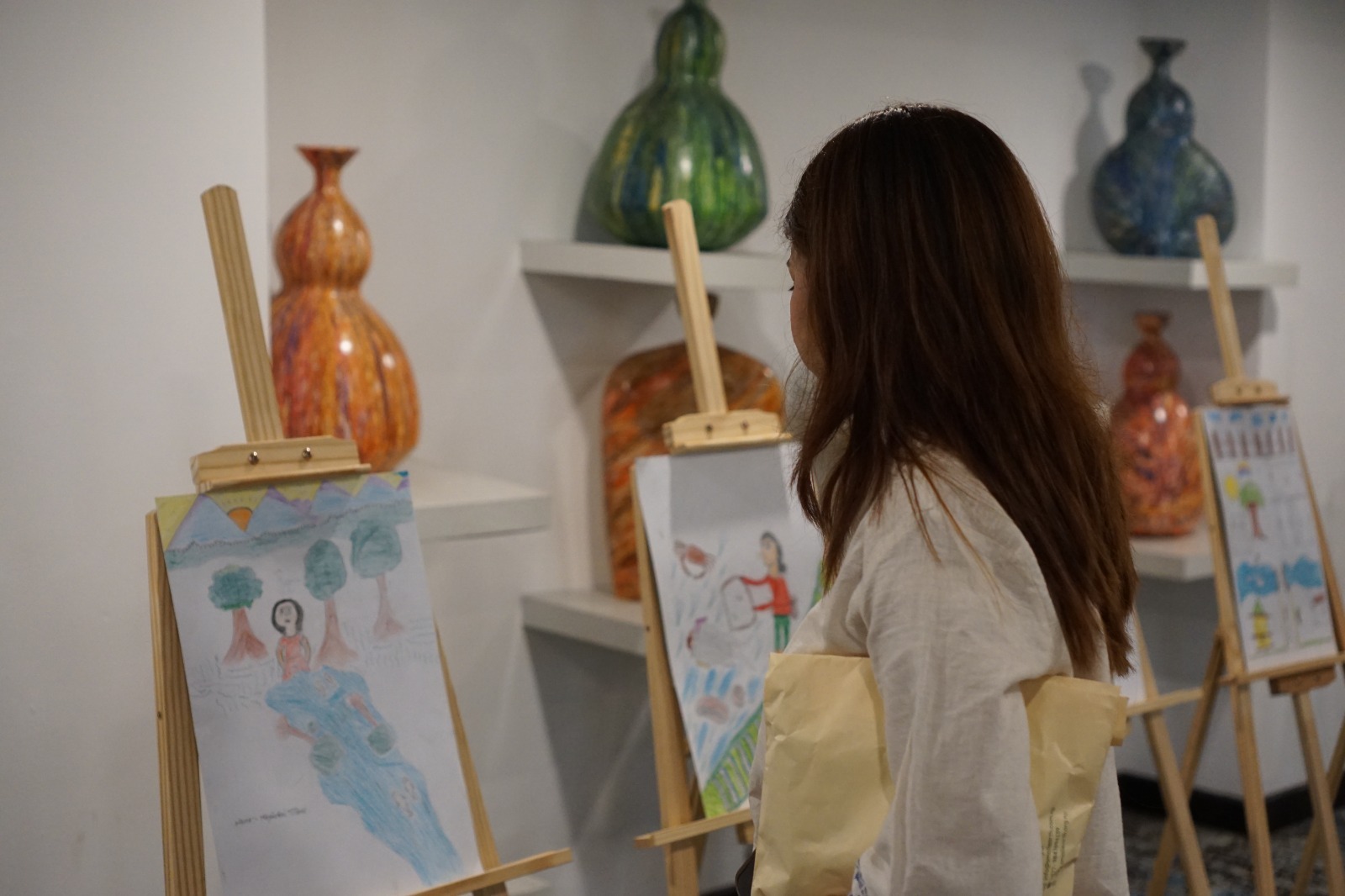
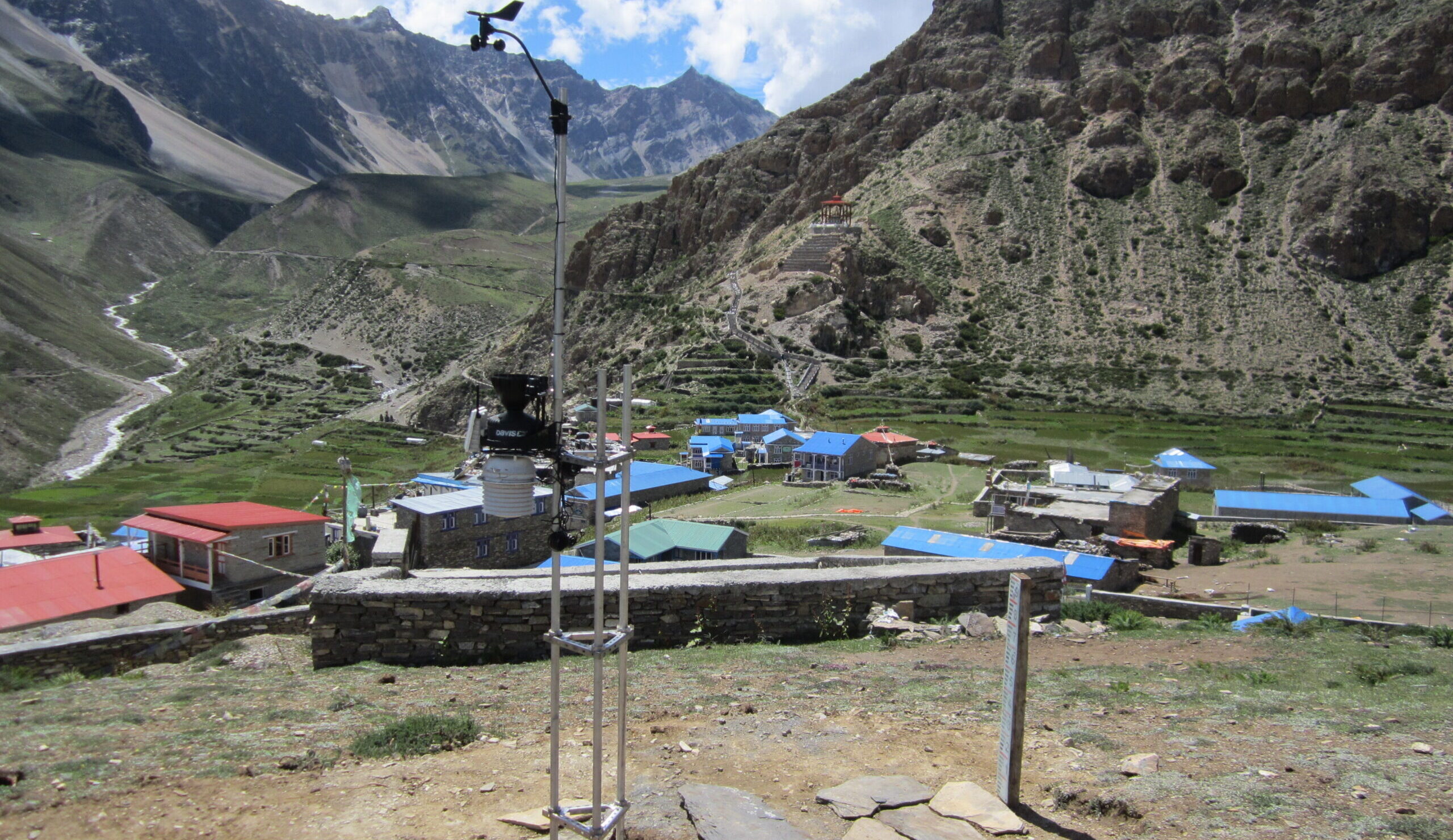
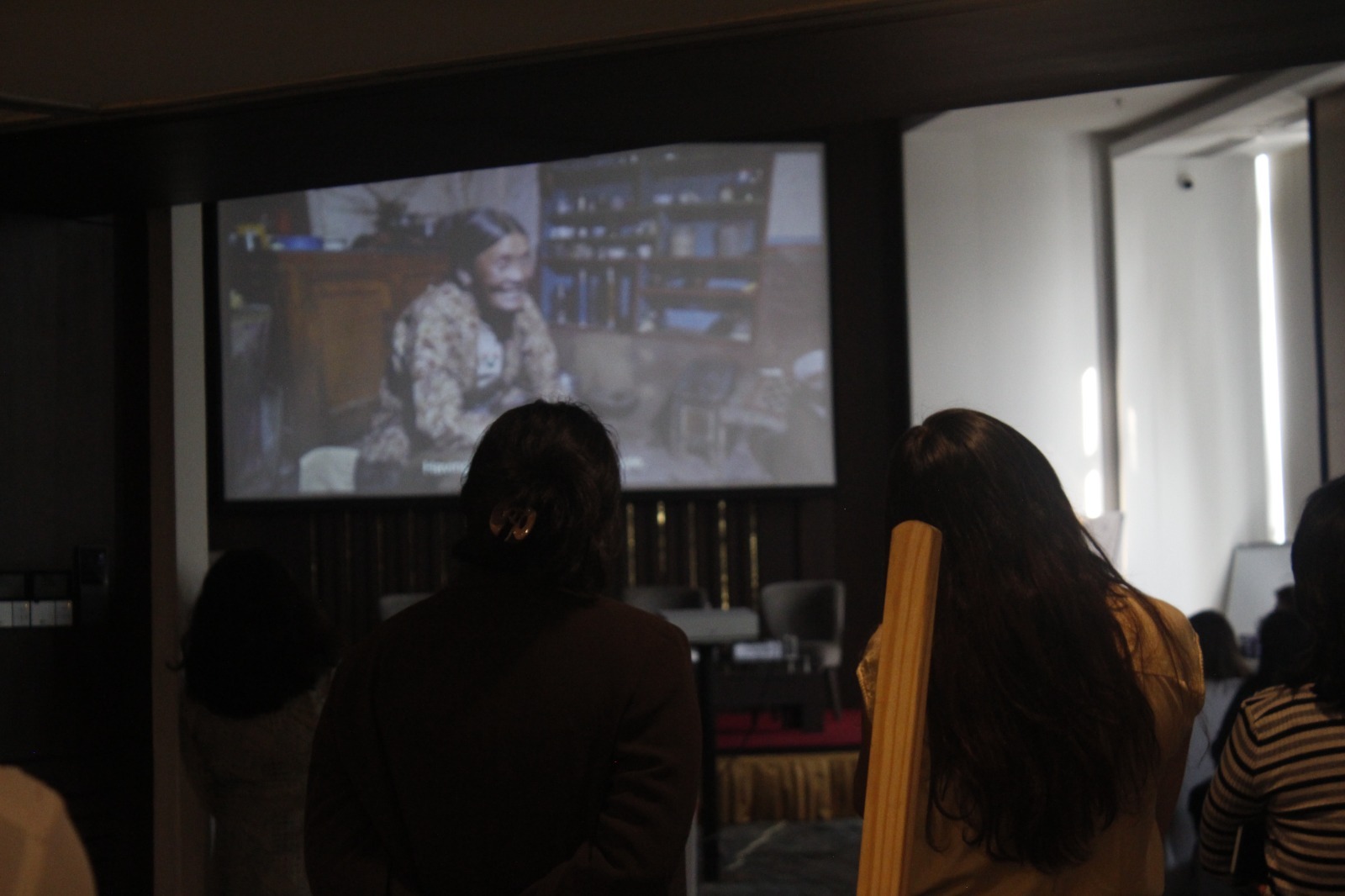
The event opened with an exhibition of artworks by women and students from Bardiya, showing how local communities are adapting to changing river systems and the growing effects of climate change. This was followed by a screening of Dhye Dreams, a documentary by Filmmaker/Producer Ms. Shanta Nepali that follows the strength and determination of women in Upper Mustang as they face water scarcity and displacement.
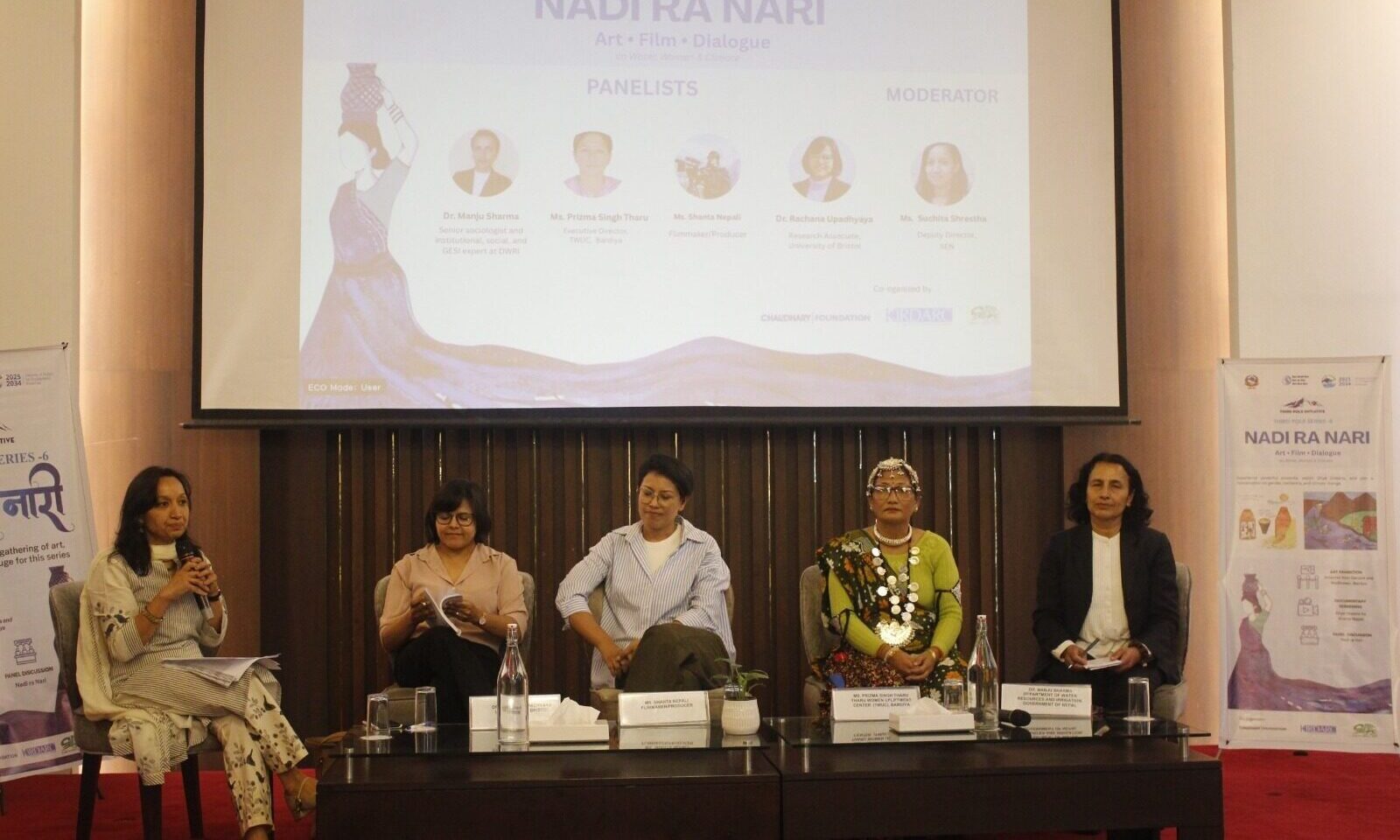
Speakers included Dr. Dhiraj Pradhananga, UNESCO Chair in Mountain Cryosphere and Water; Ms. Yukta Bajracharya, Arts Programme Manager at the British Council; and Dr. Susanne von der Heide, a cultural scientist and conservation specialist, whose diverse expertise enriched the conversation. The program concluded with a panel discussion moderated by Ms. Suchita Shrestha, Deputy Director at SEN, featuring specialists addressing gender, water, and climate challenges.
Ms. Prizma Singh Tharu, Executive Director of Tharu Women Upliftment Center (TWUC), highlighted climate challenges facing Tharu communities and emphasized how indigenous knowledge and collective action have fostered local resilience.
Dr. Rachana Upadhyaya, Research Associate at the University of Bristol, discussed the unequal role of women in water governance, noting that while women carry most of the responsibility for managing water, they are often excluded from decision-making processes.
Dr. Manju Sharma, Senior Sociologist and GESI expert at the Department of Water Resources and Irrigation (DWRI), Government of Nepal, called for stronger links between policy and ground-level realities. She emphasized the need to move from “representation” to “meaningful participation” in decision-making and inclusive planning.
Ms. Shanta Nepali, Filmmaker/Producer, spoke about the power of storytelling in bringing attention to voices that are often overlooked.
The event delivered a clear message: sustainable water management in Nepal requires a collaborative and inclusive approach. By bridging government policy with community-led solutions, the Nadi & Naari conclave demonstrated that empowering women is not a peripheral concern, but a central component of addressing Nepal’s climate and water challenges- echoing the idea that where water flows, equality grows.