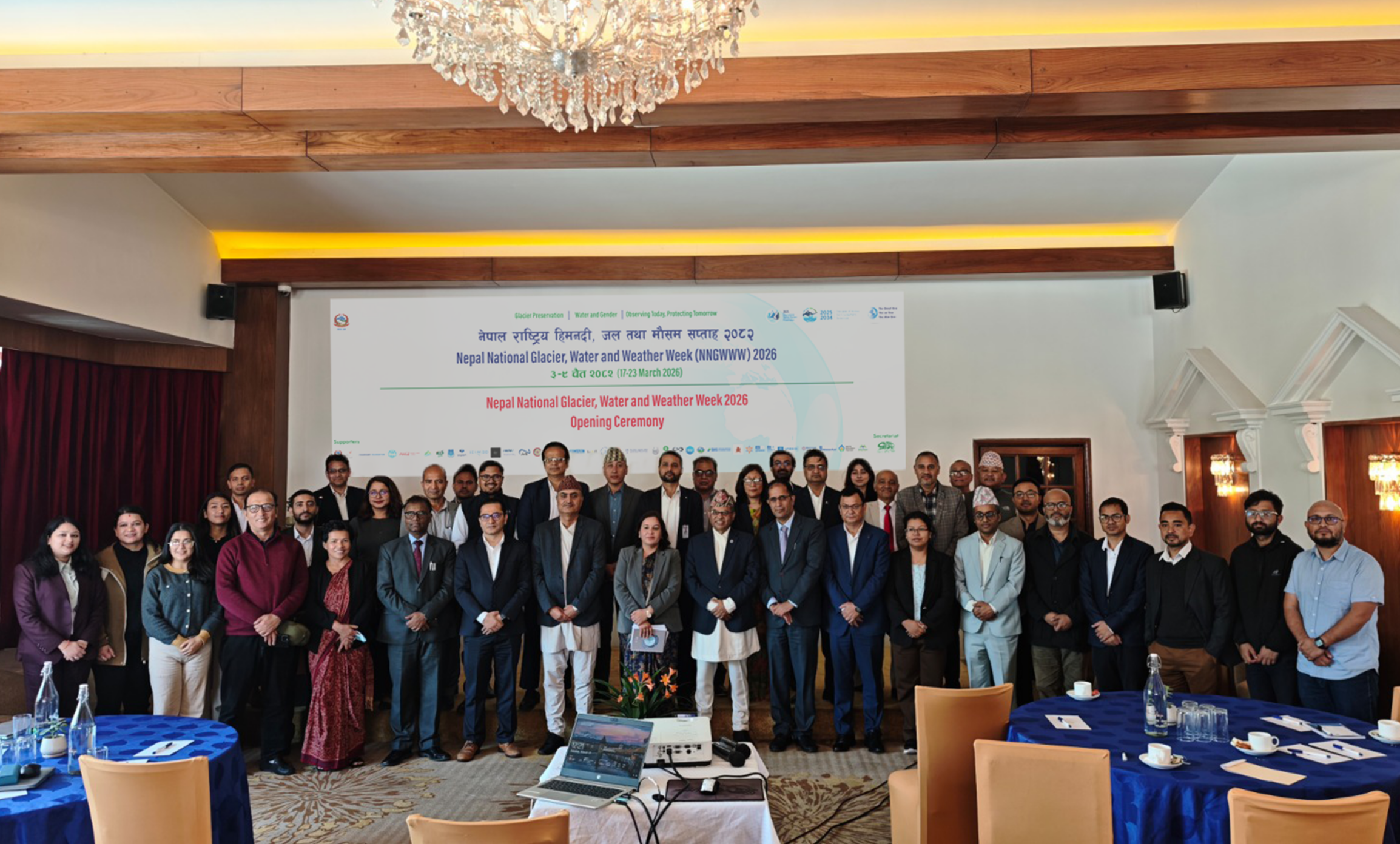
On 17th March 2026, the inaugural session of Nepal National Glacier, Water and Weather Week 2026 (NNGWWW 2026) was successfully held in Kathmandu, bringing together key stakeholders, policymakers, and experts to discuss sustainable water management and resilience in Nepal. The session was chaired by Mr. Dinanath Mishra, Secretary, Water and Energy Commission Secretariat (WECS), with the Honorable Minister Mr. Anil Kumar Sinha of the Ministry of Energy, Water Resources and Irrigation (MoEWRI) as the Chief Guest.
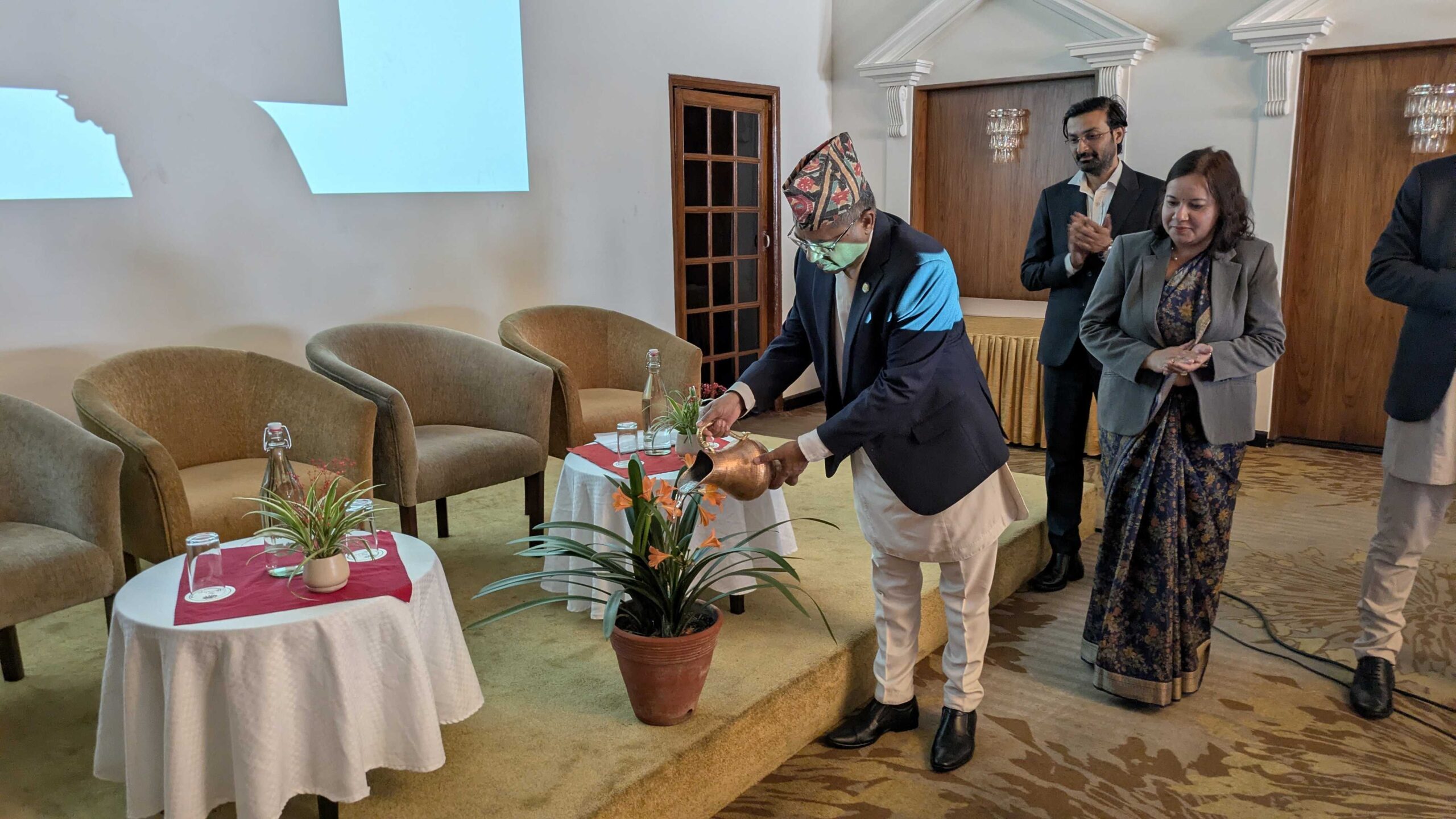
Dr. Kapil Gnawali, Senior Divisional Engineer, WECS, welcomed the participants and highlighted the overall programs of NNGWWW 2026, including pre-, during-, and post-event activities. The inauguration was symbolically marked by the watering of a flower by the Chief Guest, signifying sustainability and stewardship of water resources.
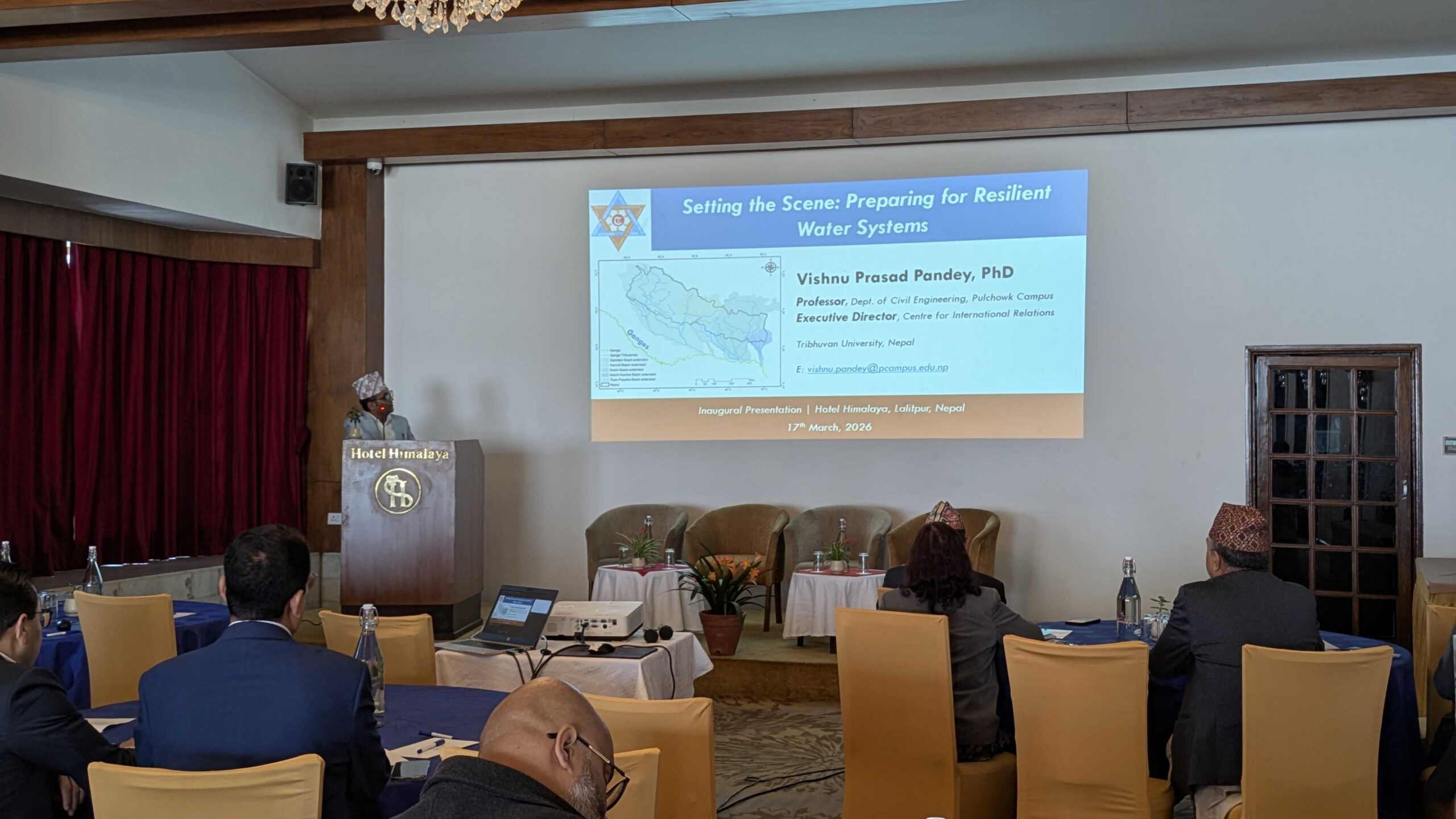
The first presentation, “Setting the Scene: Preparing for a Resilient Water System” by Dr. Vishnu Prasad Pandey, Professor (Water Resources), Department of Civil Engineering, Institute of Engineering (IOE), addressed Nepal’s water system and the associated natural and political risks. He highlighted the regional dimensions, the significance of water towers and springs, and the environmental impacts of infrastructure development, such as hazardous road construction. Dr. Pandey emphasized that while Nepal is water-rich, high seasonality results in both floods and droughts occurring within the country.
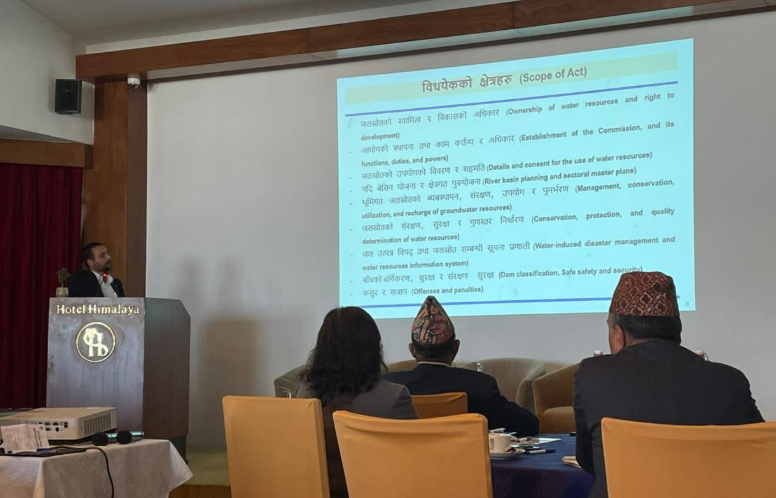
The second presentation, “Reforming Water Governance: The Proposed Water Resources Bill” by Mr. Tika Ram Baral, Joint Secretary, WECS, focused on Nepal’s policy landscape, highlighting key policy instruments, timelines, and water security initiatives. It included discussion on the establishment of commissions, their roles and powers, government partnerships, and the upcoming Nepal Water Atlas.
Remarks from honorable guests provided additional perspectives:
Mr. Chiranjiwi Chataut, Secretary (Energy), MoEWRI, discussed climate change and increasing disaster frequency, challenges in hydropower management, and the importance of proper planning and structural design to prevent flood damages to infrastructure such as bridges and powerhouses.
Mr. Bishwobabu Pudasaini, Secretary, Ministry of Water Supply, highlighted the importance of water security for both current and future needs, emphasizing the role of groundwater research and bridging the gap between academic research and policy implementation. He stressed the necessity of reliable, sustainable solutions to address water scarcity.
The Chief Guest, Mr. Sinha, spoke on water as the source of life and highlighted the year’s theme, gender and water, noting that women and marginalized communities often lack equitable access to water. He shared personal perspectives showing how inadequate sanitation and water access previously affected education for girls, emphasizing that policy and regulation must translate into real, tangible outcomes.
Finally, Ms. Sarita Dawadi, Secretary (Water Resources), MoEWRI, thanked all the participants and stressed the importance of Nepal’s Himalayan ecosystems. She highlighted climate-related challenges such as increasing floods and droughts, urging collective discussion, collaboration, and practical action to address these pressing water issues.
The session concluded with a group photo, marking the successful start of NNGWWW 2026 and setting up a collaborative tone for the week-long event. Following the inauguration, Dr. Gnawali shared all the planned events and activities happening over the week as part of NNGWWW with the participants.