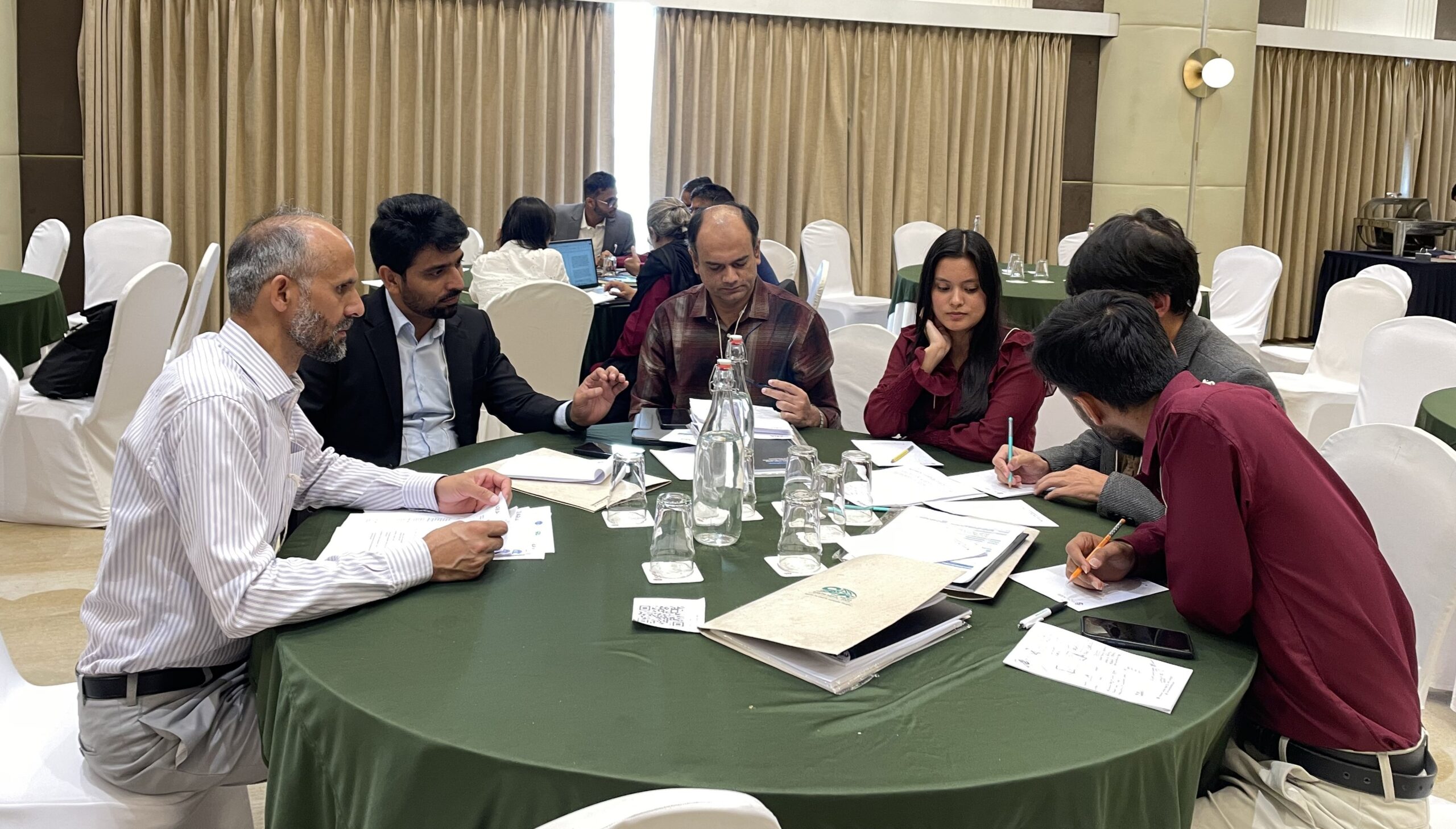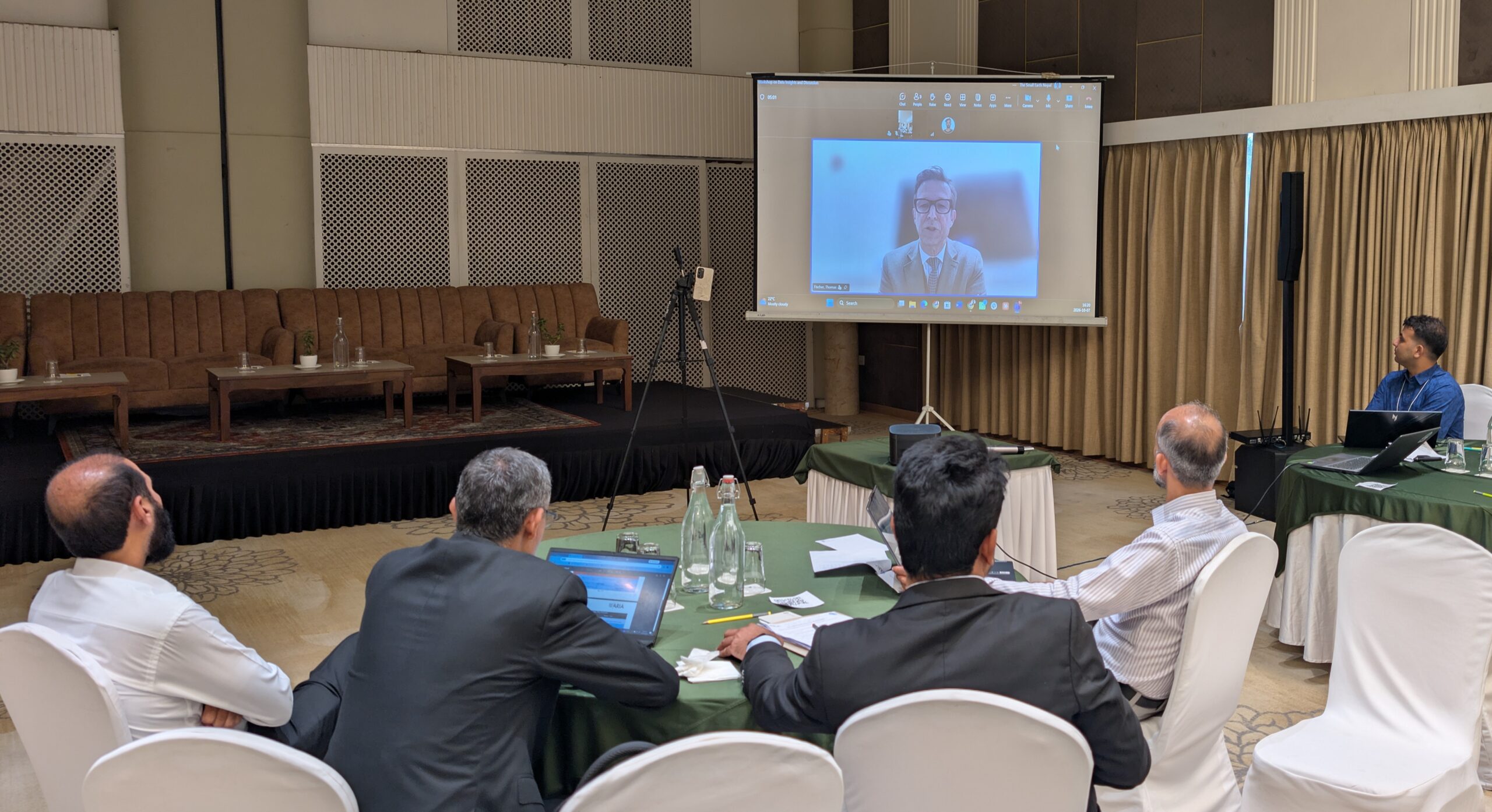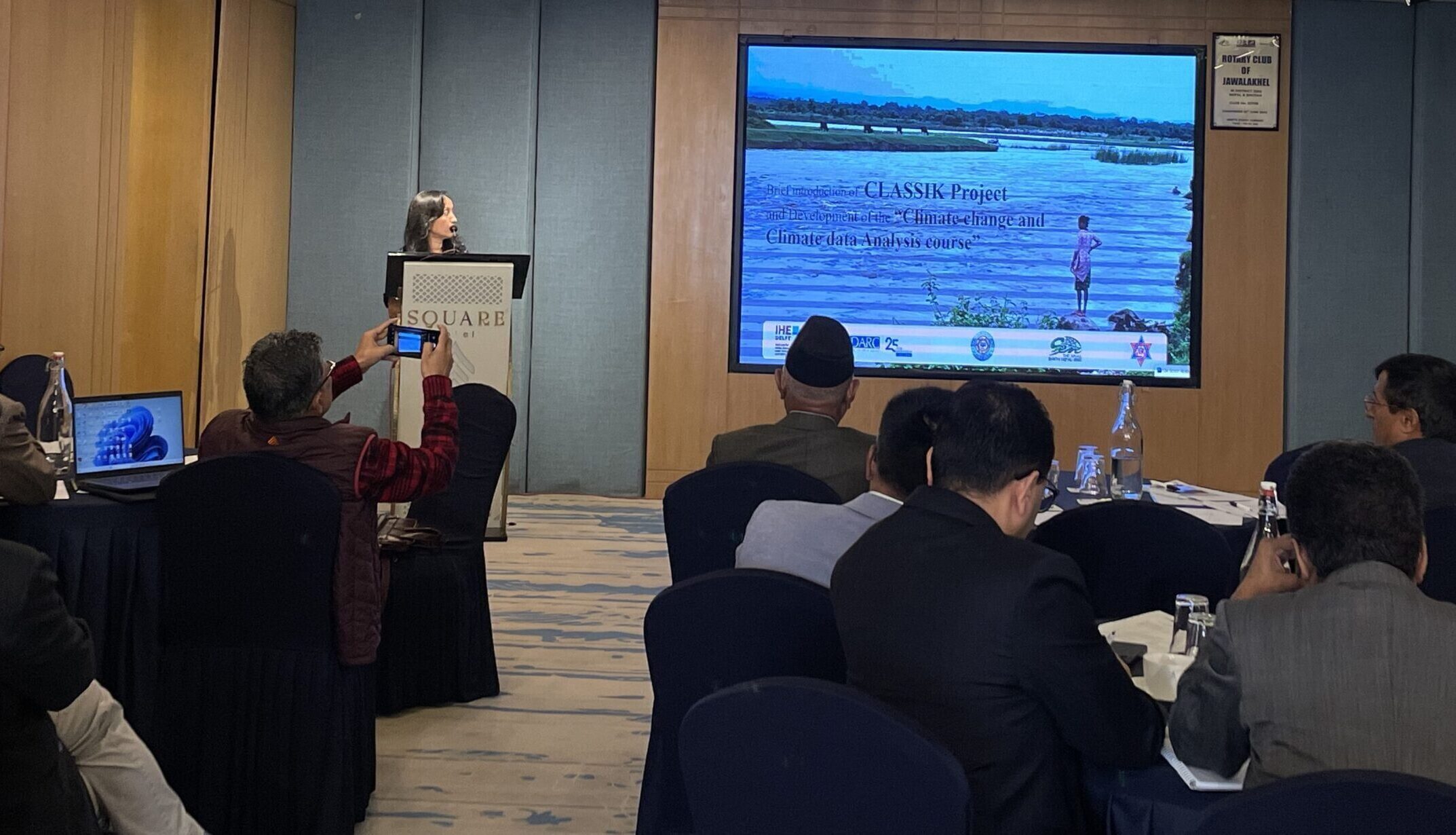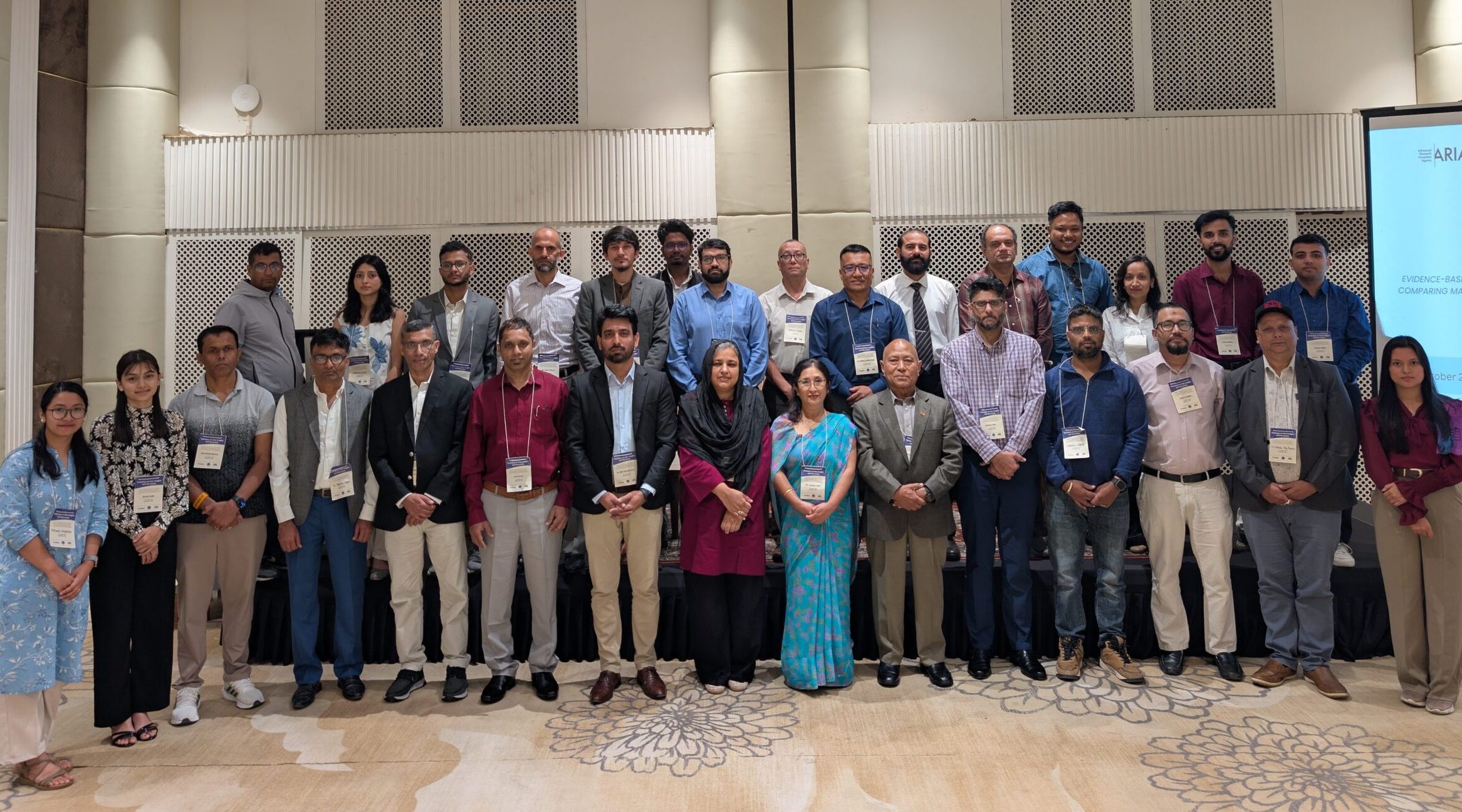
The Small Earth Nepal (SEN) hosted a Regional Workshop under the ARIA-funded project “Evidence-based Assessments to Guide Perceptions, Governance, and Ethical Frameworks for South Asia: Comparing Marine Cloud Brightening Strategies vis-à-vis Carbon Dioxide Removal and Mitigation Effort” (FPCW-PR01-P010) on 7-8 October 2026, in Kathmandu, Nepa. The project is led by the Department of Meteorology, COMSATS University Islamabad (CUI), Pakistan, and implemented in collaboration with research partners from Pakistan, India, Bangladesh, Nepal, and Bhutan. As a project partner, SEN was pleased to host the regional workshop in Nepal.
The workshop brought together project researchers and experts from across South Asia, including Dr. Jabir Hussain Syed, Dr. Abdul Waheed, Dr. Muhammad Latif and Dr. Umair Bin Nisar (CUI, Pakistan); Dr. Muhammad Mumtaz (Fatima Jinnah Women University, Rawalpindi); Dr. Sajida Kousar (International Islamic University Islamabad), Mr. Vasker Sharma, Mr. Kul Prasad Sharma and Mr. Indra Bahadur Chhetri (Jigme Namgyel Engineering College, Bhutan), Prof. Md. Sadique Rahman (Sher-e-Bangla Agricultural University, Bangladesh), and Mr. Elvis Dsouza (EDPC Polymer Industries, India). The workshop was also attended by the Principal Investigator (PI), Prof. Dr. Athar Hussain, Professor & Head, Department of Meteorology, CUI, Pakistan, Technical Advisor on project methodology design and project roadmap, Prof. José A. Puppim de Oliveira (University of Manchester, UK), and Mr. Hassaan Sipra (The Alliance for Just Deliberation on Solar Geoengineering, Washington DC)- Climate and SRM Global Governance; supporting policy analysis and ethical framings research. Prof. Dr. Thomas Fischer (University of Liverpool, UK), Collaborator and Technical Expert, leading environmental assessment support, joined us online.
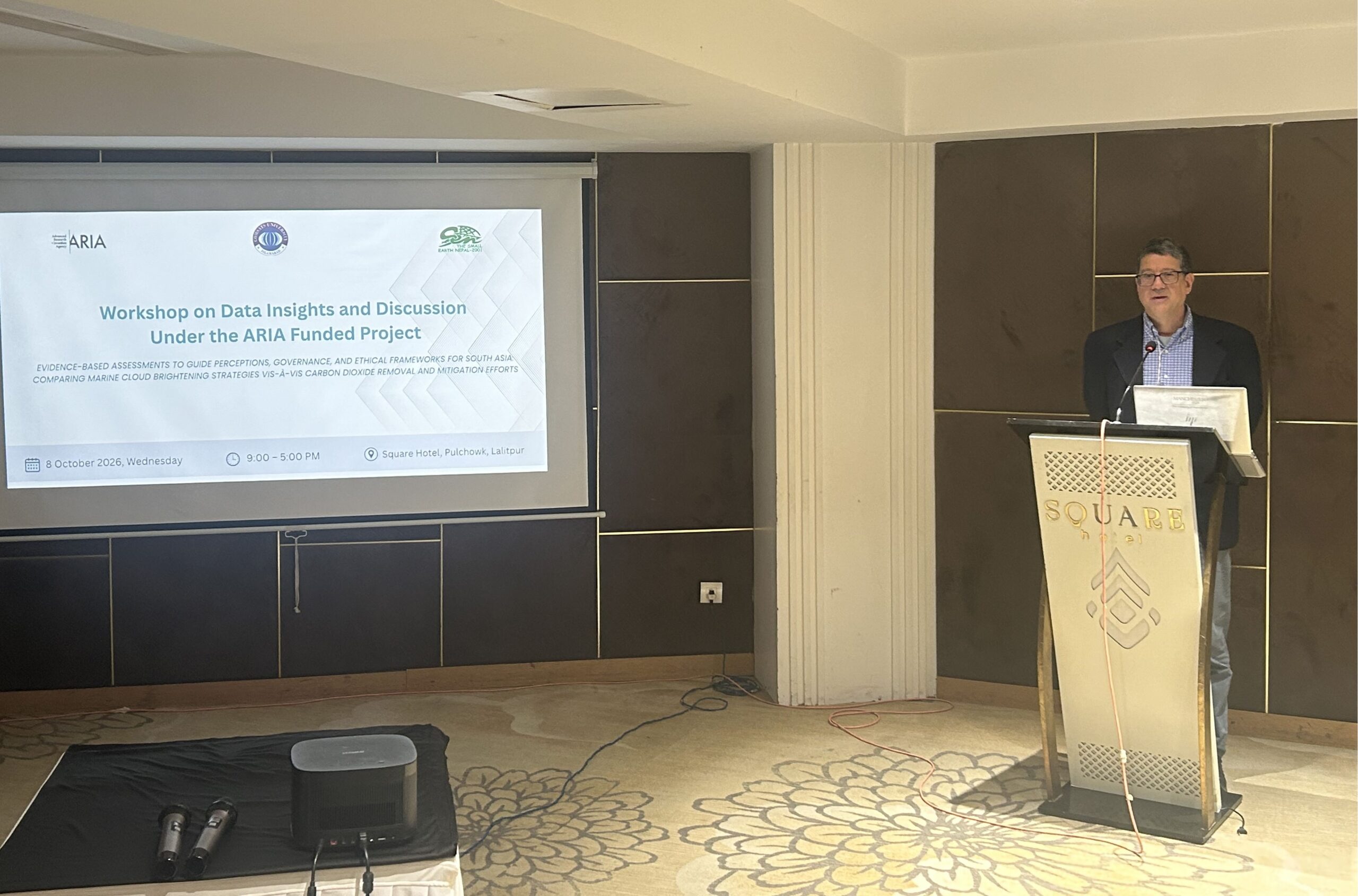
The main aim of the workshop was to bring together all project partners, including subcontractor data-collection teams, to present and review collected data against the project’s standardization framework, harmonize implementation practices, and jointly chart the path to complete, comparable, high-quality datasets across all five countries. Over the two days, participants reviewed progress, shared preliminary findings, identified challenges, and discussed strategies to ensure the delivery of high-quality and comparable datasets.
Serving as a key platform for knowledge exchange and quality assurance, the workshop enhanced participants’ understanding of the science, governance, and ethics surrounding climate cooling technologies. Country teams presented updates on surveys, key informant interviews (KIIs), and focus group discussions (FGDs), receiving feedback from international experts and the COMSATS monitoring team.
The workshop concluded with several important outcomes, including a shared understanding of Marine Cloud Brightening (MCB) and Carbon Dioxide Removal (CDR), a consolidated review of data collection progress across all five countries, agreed approaches for stakeholder classification and documentation, and a roadmap for completing the remaining fieldwork. The discussions also generated valuable inputs for the project’s ethical framework, governance recommendations, and future policy deliberations.