Integration of Scientific and Traditional Ecological Knowledge in Urban Water Management: A Case Study of Kathmandu, Nepal
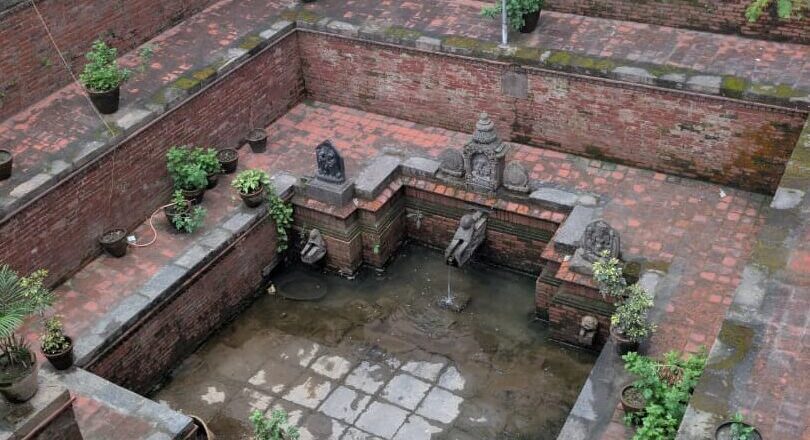

Kathmandu’s traditional water management system, Hiti Pranali, represents an indigenious infrastructure that supplied clean water to the city’s residents continuously from as early as the 5th century AD until the 1950s. Besides providing portable water, this system also harvested rainwater, recharged groundwater, and sustained local ecosystems, unlike Kathmandu’s modern water infrastructure. The modern water management system of Kathmandu has largely failed to meet water demand, exacerbated water pollution, and ignored urban flooding every monsoon. This research employs an ethnographic, biocultural framework to examine how Kathmandu’s culture, religion, and ecology co-evolved to produce this sustainable system, rooted in Traditional Ecological Knowledge (TEK). Analyzing Hiti Pranali as a Nature-based Solution, this study argues that TEK and Scientific Ecological Knowledge (SEK) are complementary rather than competing systems. Hence, this research seeks to identify a way forward to integrate indigenous water knowledge into Kathmandu’s modern water management framework to ensure long-term water security for people and the environment.
This research project will explore the existing stone spouts in and around the Kathmandu Valley, conducting in-depth interviews, and focus group discussions with water experts and locals of Kathmandu to identify the ways to integrate the country’s water-related Traditional Knowledge Systems and Western Scientific Systems. This research, therefore, seeks to provide insights as to how Kathmandu, Nepal, can creatively and effectively adapt to the accelerating environmental changes in the region.
August 2024 - August 2026
Kathmandu