Stakeholder Perception Study on Climate Cooling Technologies in South Asia
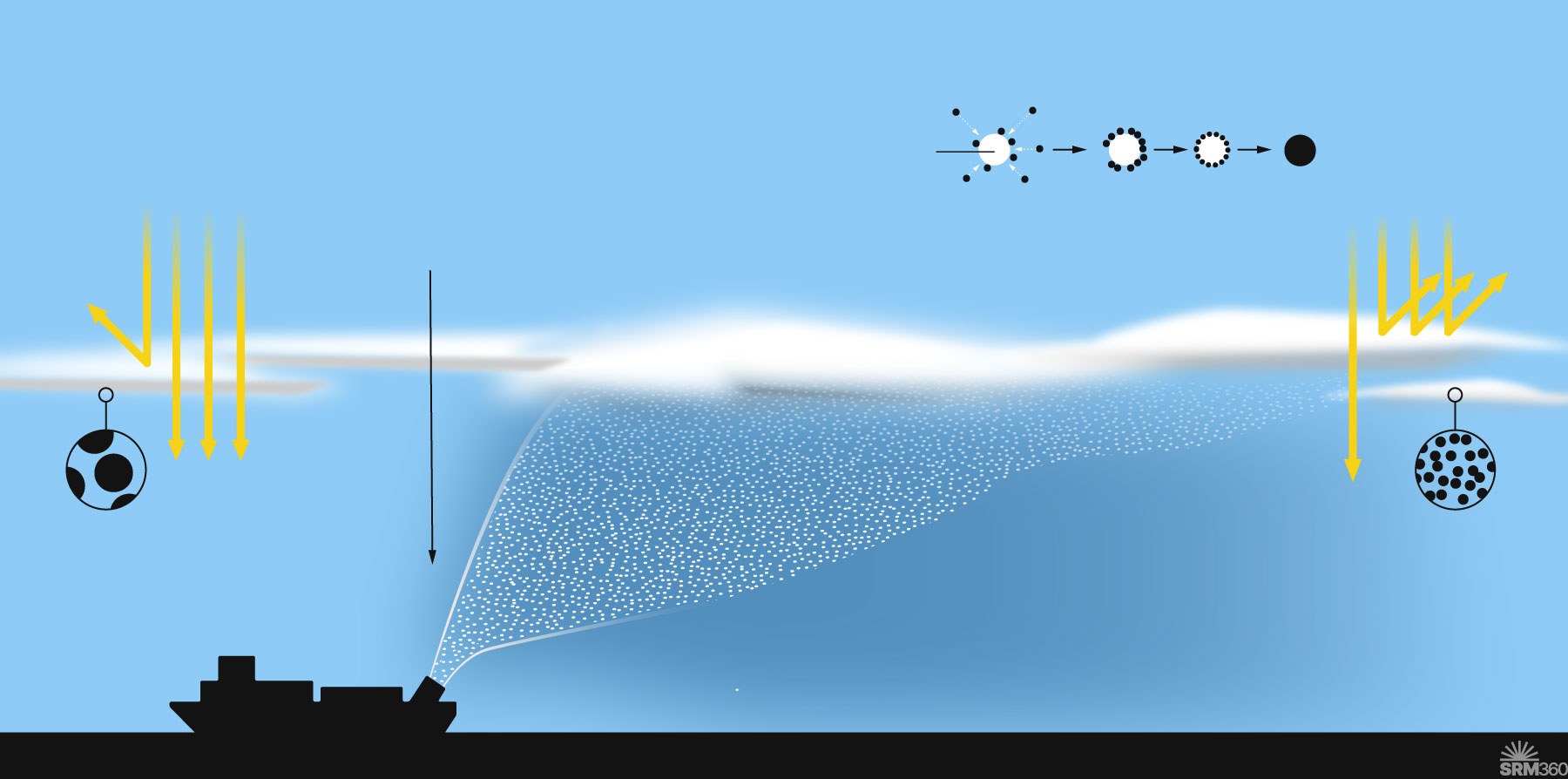

Nepal is highly vulnerable to the impacts of climate change. Although significant progress has been made in renewable energy, electrification, and other mitigation measures, there is growing recognition that conventional mitigation efforts alone may not be sufficient to address the country’s climate challenges.
Emerging climate intervention approaches, including Carbon Dioxide Removal (CDR) and Solar Radiation Modification (SRM) techniques like Marine Cloud Brightening (MCB), are entering global discussions but remain largely unfamiliar and unexamined in the Nepali context. This research project is being undertaken to address this critical knowledge and perception gap. Understanding how diverse Nepali stakeholders, ranging from policymakers and researchers to civil society and private sectors, perceive and interpret these emerging technologies, is essential for ensuring that any future consideration or governance of such approaches is grounded in equity, transparency, and local relevance. Given the scientific uncertainties and governance challenges surrounding MCB, understanding the level of stakeholder awareness, concerns, and acceptance will be very helpful in making well-informed decisions.
To achieve this, the project will use a mixed-methods approach combining secondary data research and primary data collection. A comprehensive literature review and institutional mapping will set the foundation, followed by a structured survey, Focused Group Discussion (FGD) and Key Informant Interviews (KII) across all seven provinces of Nepal.
The expected outcome of this study is comprehensive understanding of stakeholder perceptions of climate cooling technologies, particularly Marine Cloud Brightening, among relevant stakeholders of Nepal. The findings will identify knowledge gaps, areas of concern, and levels of support for MCB.