Overcoming Barriers and Enhancing Adoption of Solar Lift Irrigation in Nepal
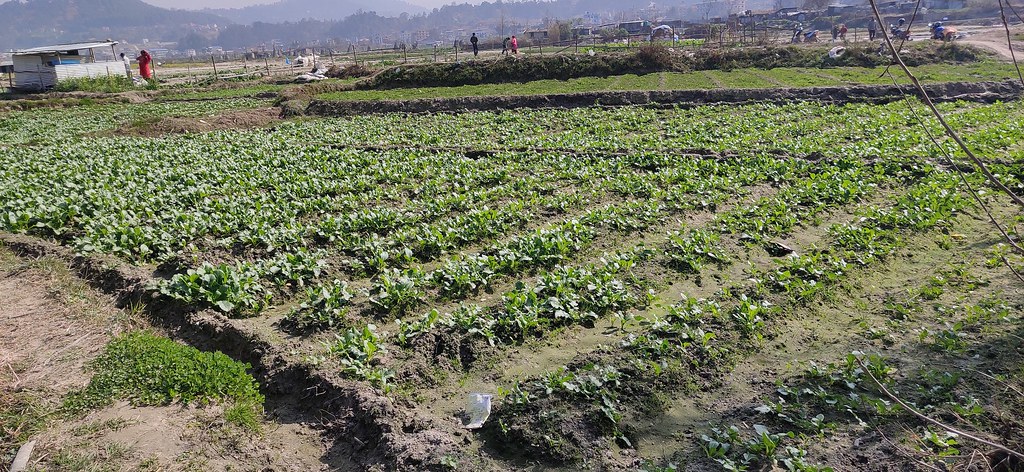

In the mid-hills of Nepal, where steep terrain meets shifting climate patterns, thousands of farming families still rely on unpredictable rainfall to grow their crops. Despite having around 2.6 million hectares of arable land and abundant freshwater resources, Nepal still faces significant challenges in irrigation systems. Out of 69% of irrigable arable land, only around 39% of the land has access to year-round irrigation facilities. As a result, nearly 67% of agriculture relies on rain-fed farming, leading to poor performance in the country’s agriculture sector.
Solar Lift Irrigation (SLI) presents a sustainable and climate-resilient solution to Nepal’s water and energy challenges. By harnessing solar power to pump water from lower-lying rivers and streams, SLI systems can deliver year-round irrigation to upland farms, particularly benefiting remote and marginalized communities. While the government also actively promotes Solar Irrigation Projects as a climate-friendly alternative to diesel pumps, especially in areas with limited grid electricity access, its wider adoption is limited due to the institutional, social, governance, and economic hurdles. There are also very limited studies about the effectiveness, usage, and sustainability of these solar projects.
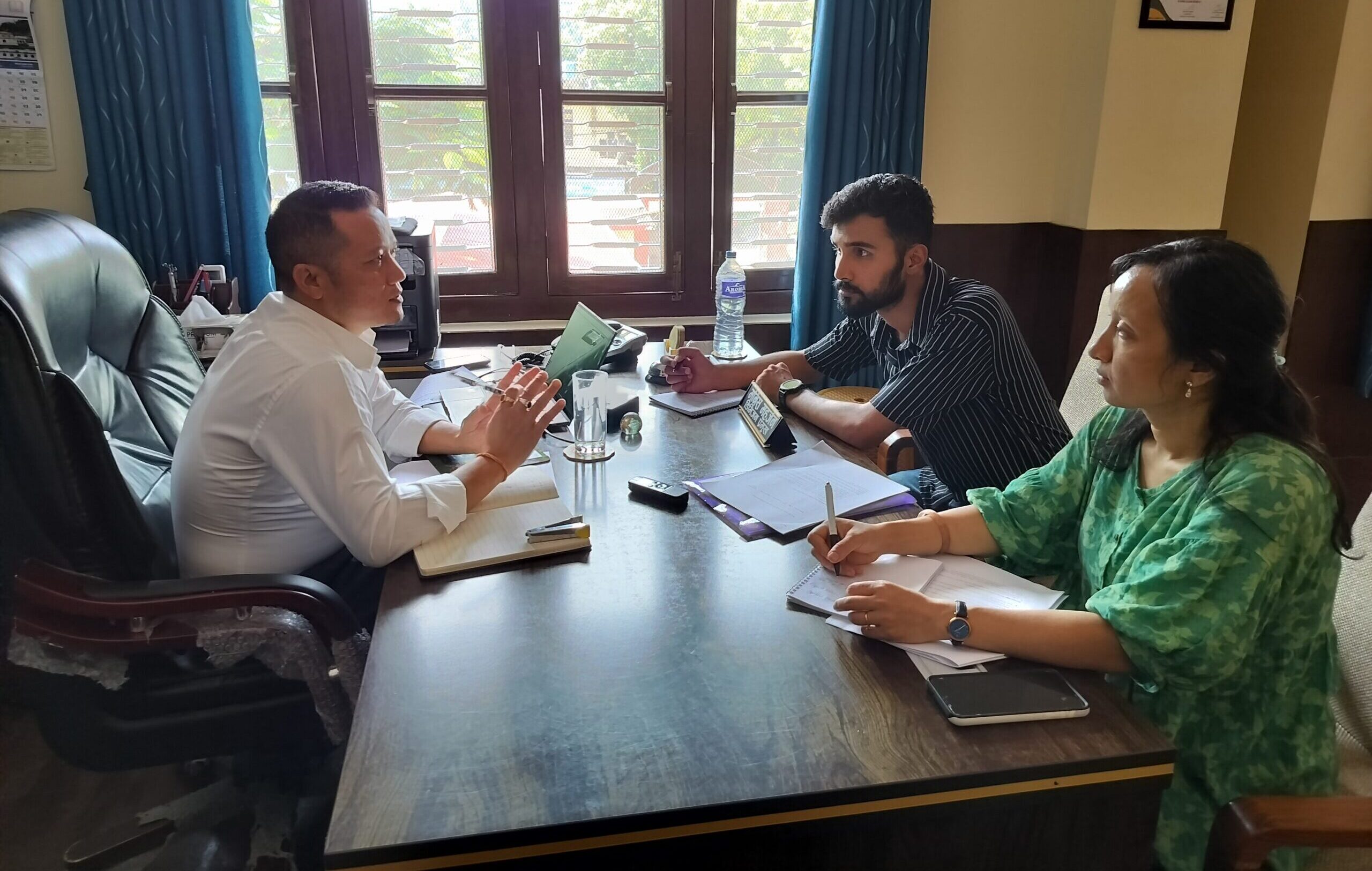
To address these gaps, this project will assess the effectiveness, sustainability and socio- economic impact of SLI in Nepal’s mid-hills through case studies and community engagement and interactions. It will examine both successful and unsuccessful solar lift irrigation projects funded by government programs to identify the key factors that enable or hinder their implementation. Alongside technical performance, the research will evaluate how inclusive, scalable, and accountable these systems are. Special attention will be given to issues such as affordability, gender equity, operation and maintenance, and long-term community ownership. Based on these insights, the project will offer practical recommendations to strengthen future planning and implementation.
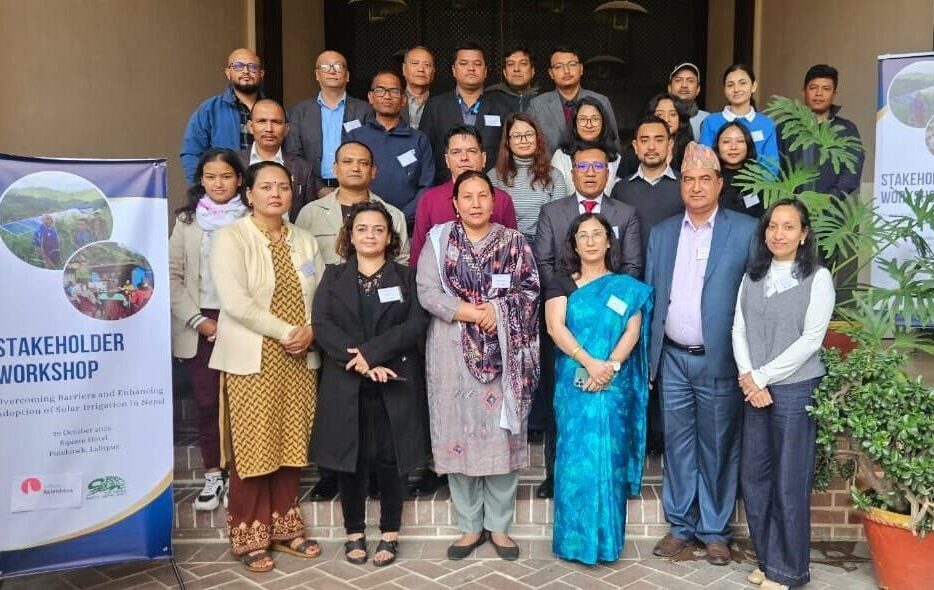
In addition, a multi-stakeholder workshop will be organised to disseminate the research findings and foster dialogue to address the challenges, which will provide the insights on the gaps for the wider adoption of solar irrigation projects in Nepal.
The project will also explore international collaboration, particularly with partners from Chinese and European to enhance the technological efficiency of SLI through automation and AI-based irrigation. This approach will enable cross-learning and sharing of best practices, supporting scalable and sustainable implementation of SLI. The findings from this project will provide valuable input for policies related to solar lift irrigation.
April 2025 - September 2025
Asia House Foundation\The climate crisis and Civil Society in Asia
Dhading, Ramechhap and Lalitpur districts