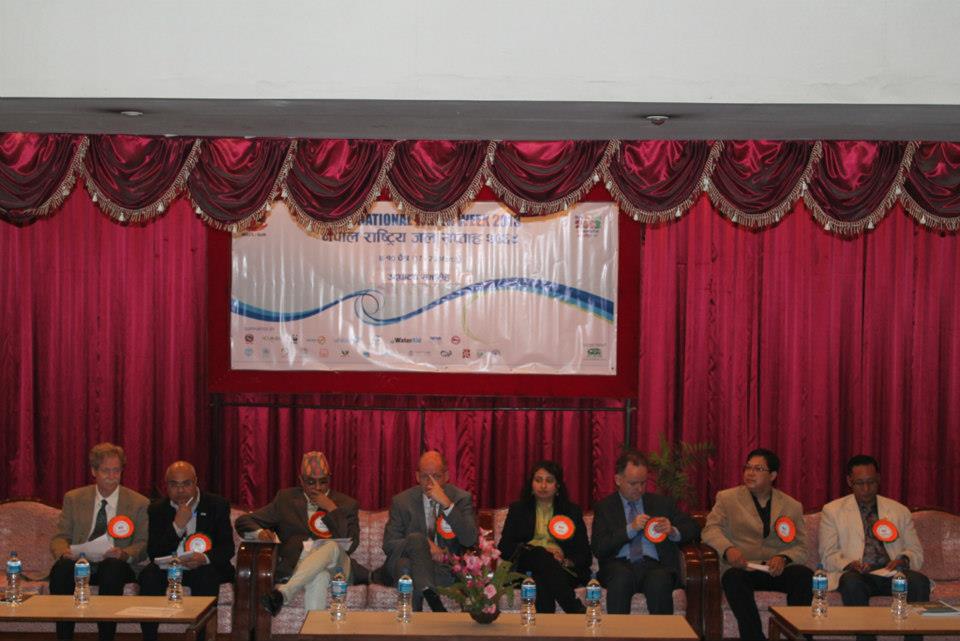
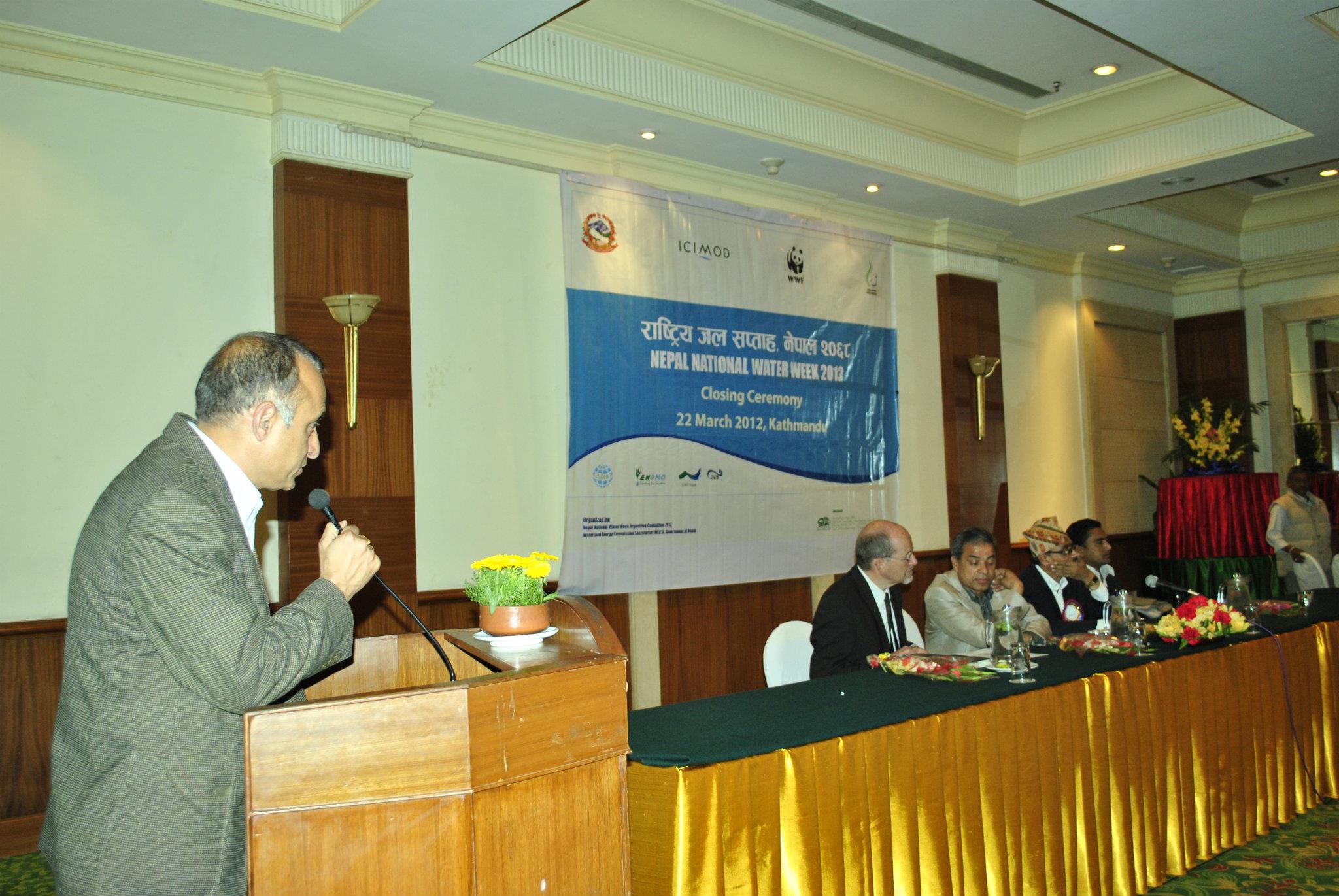
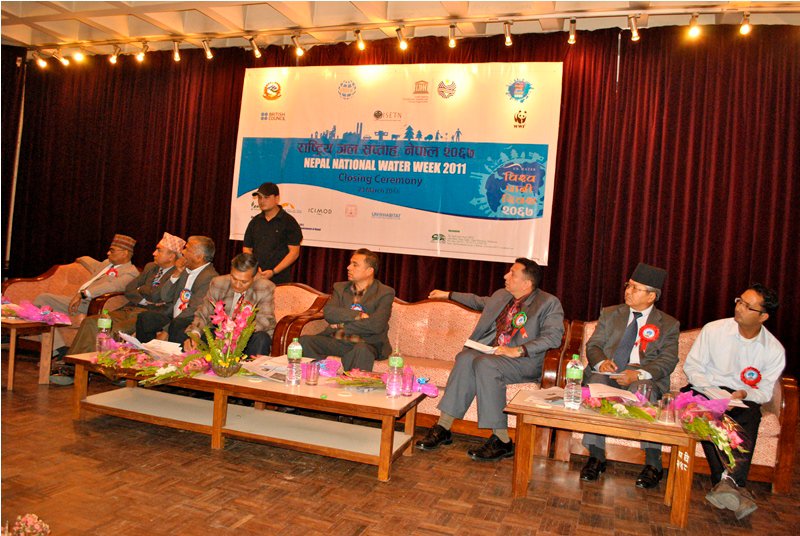
Nepal National Glacier, Water and Weather Week (NNGWWW)


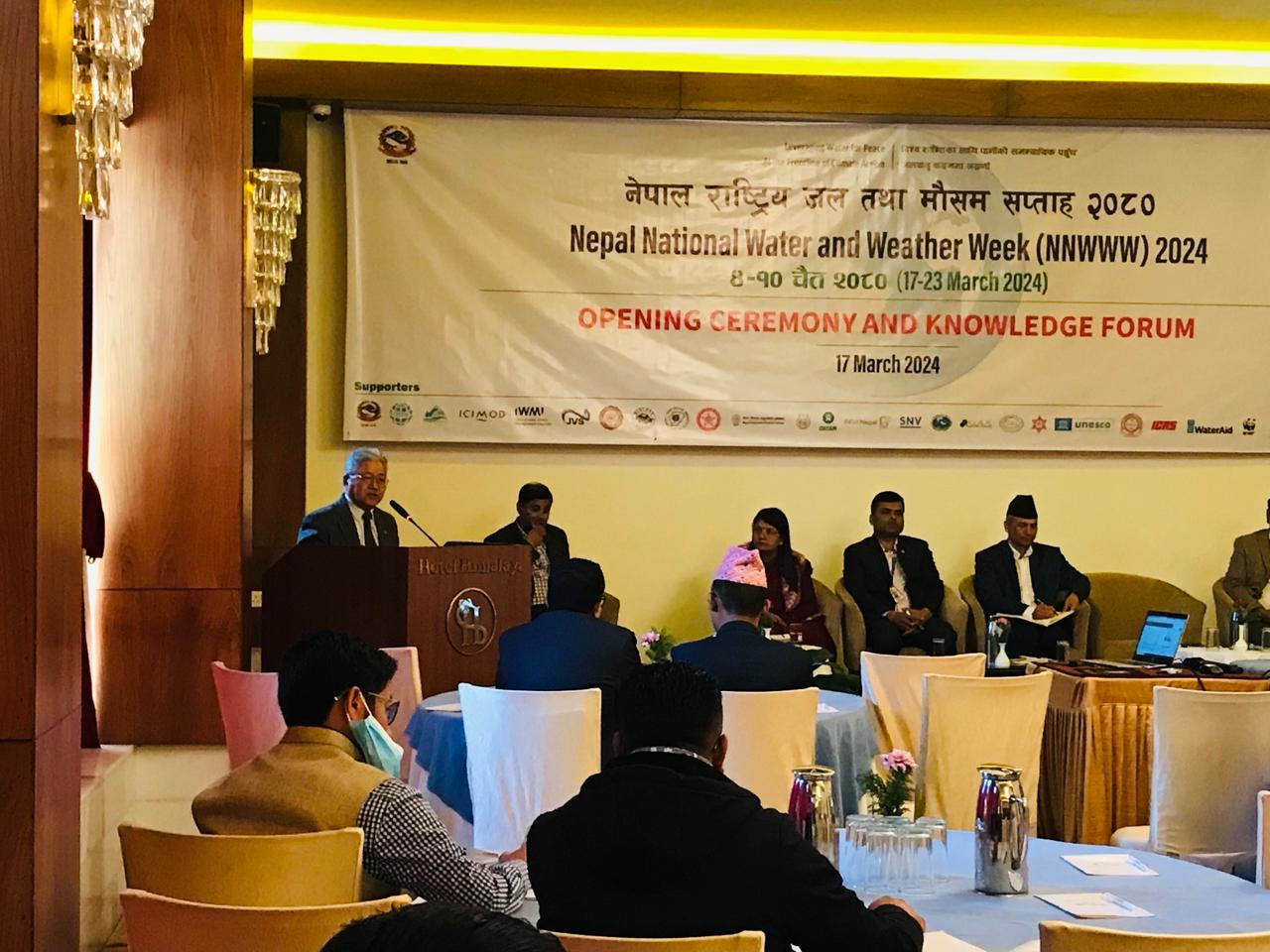
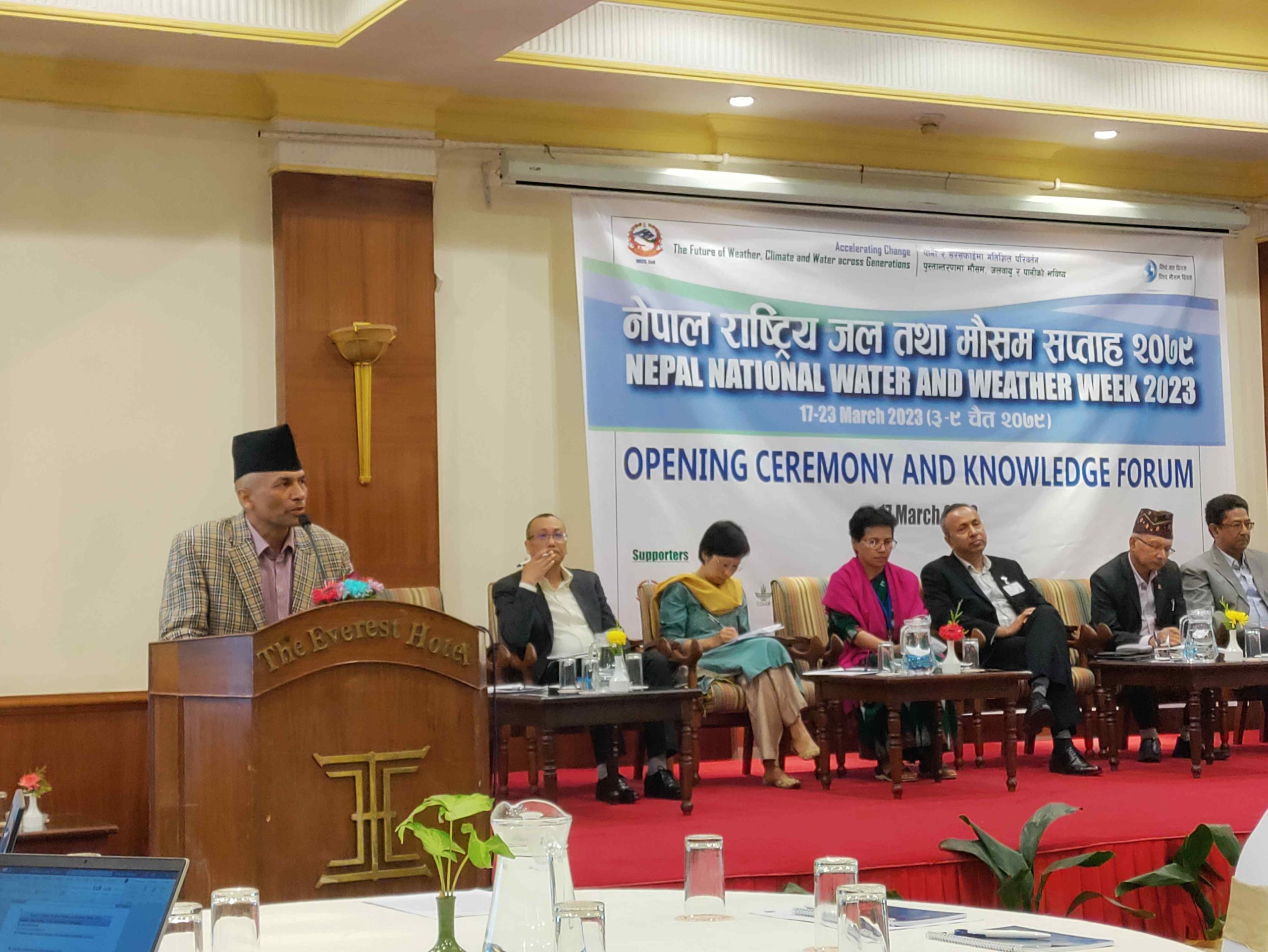
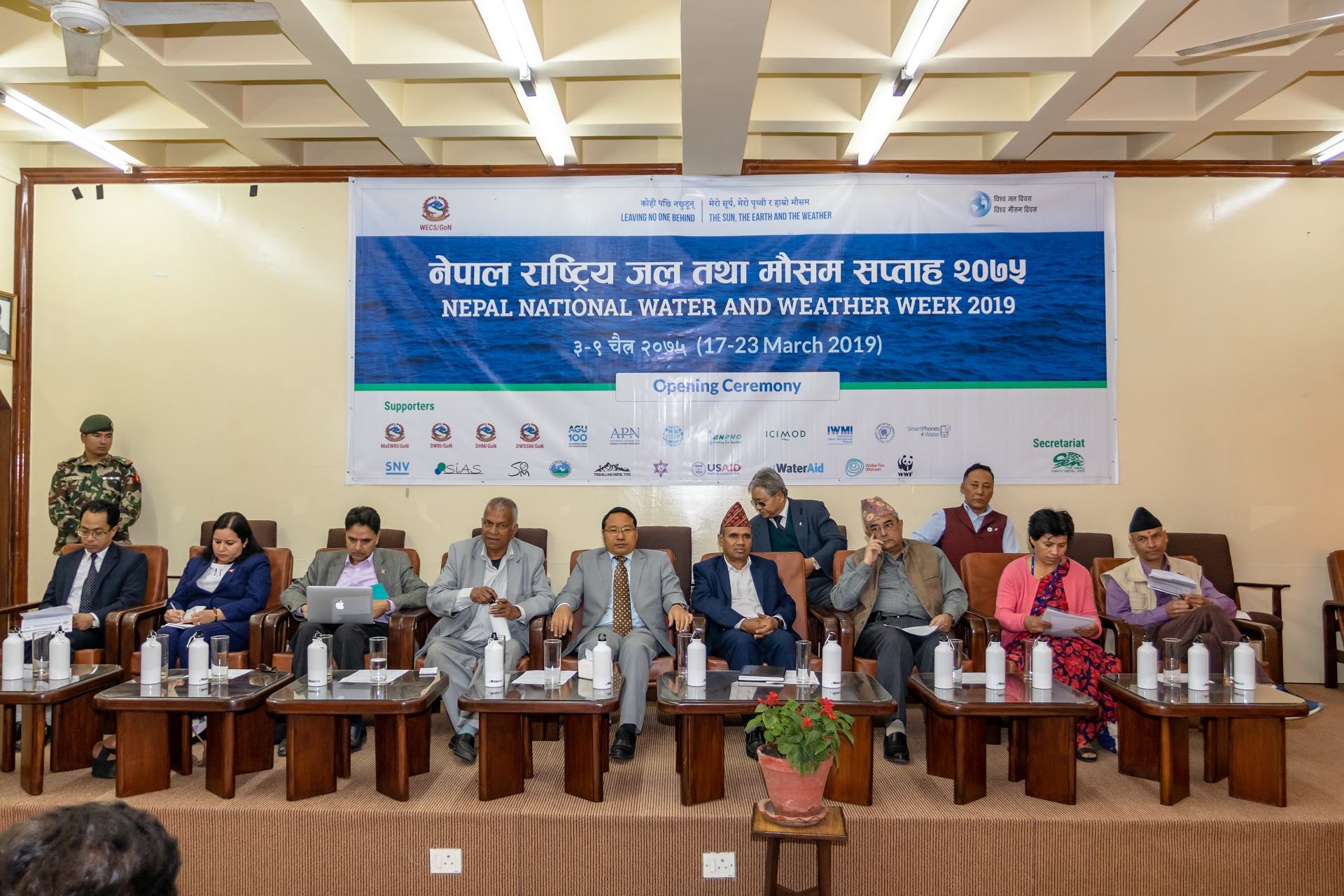
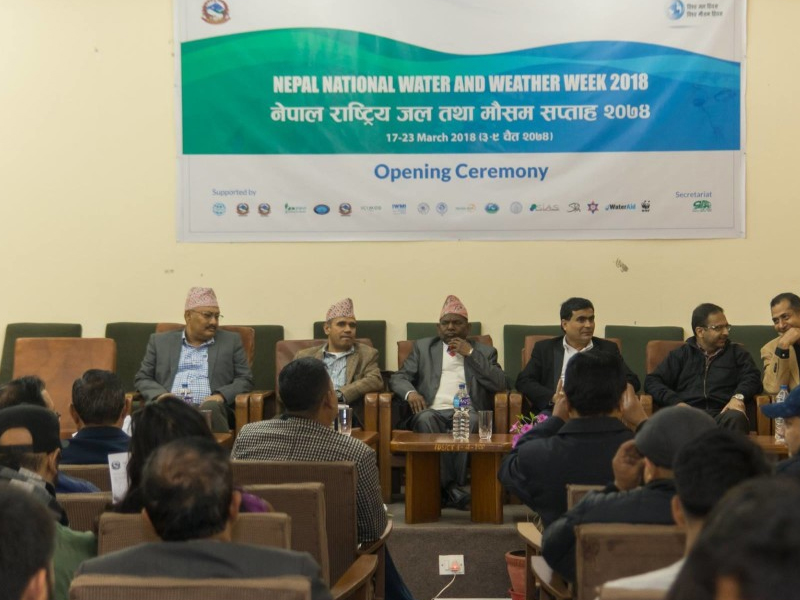
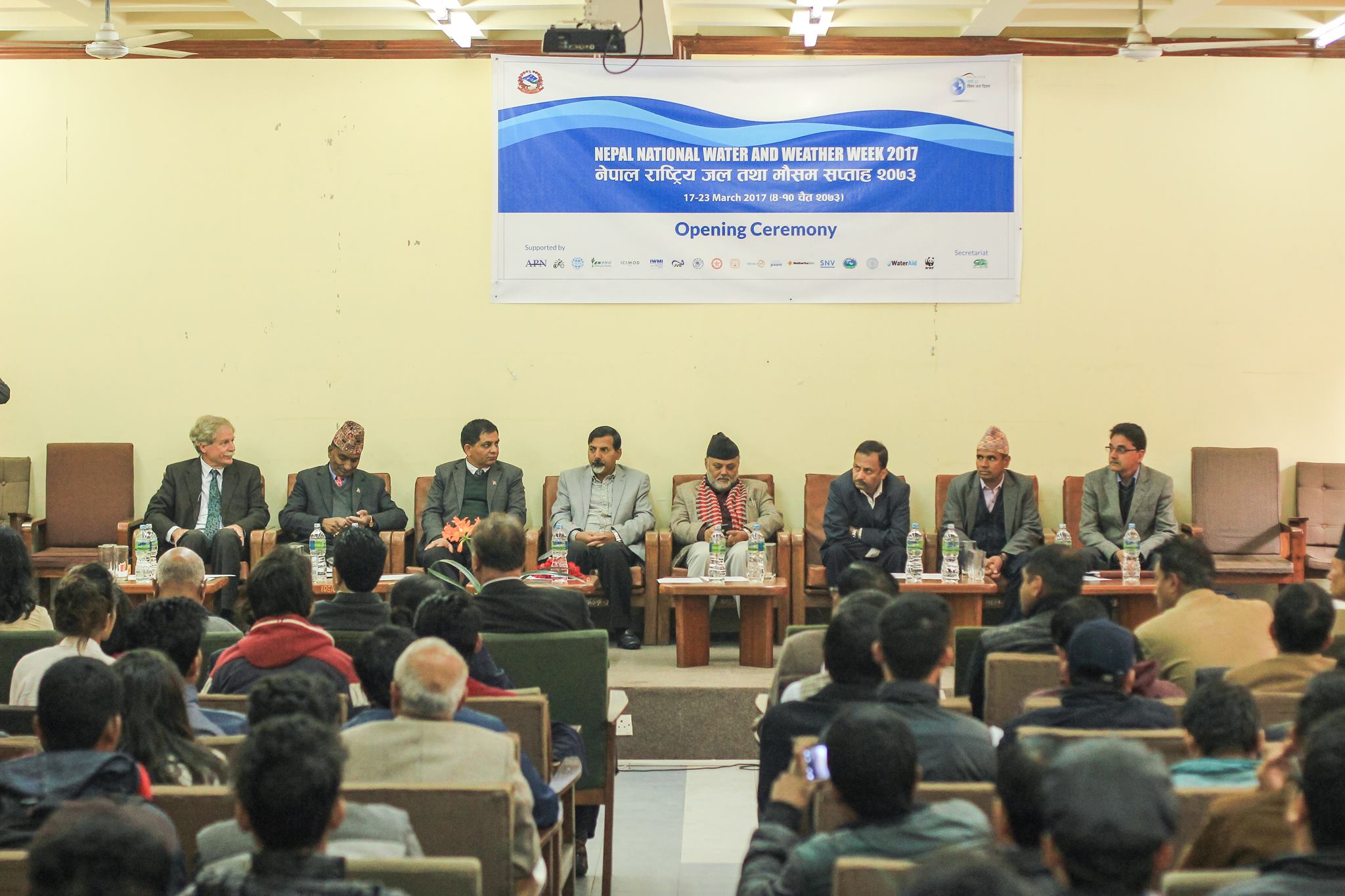
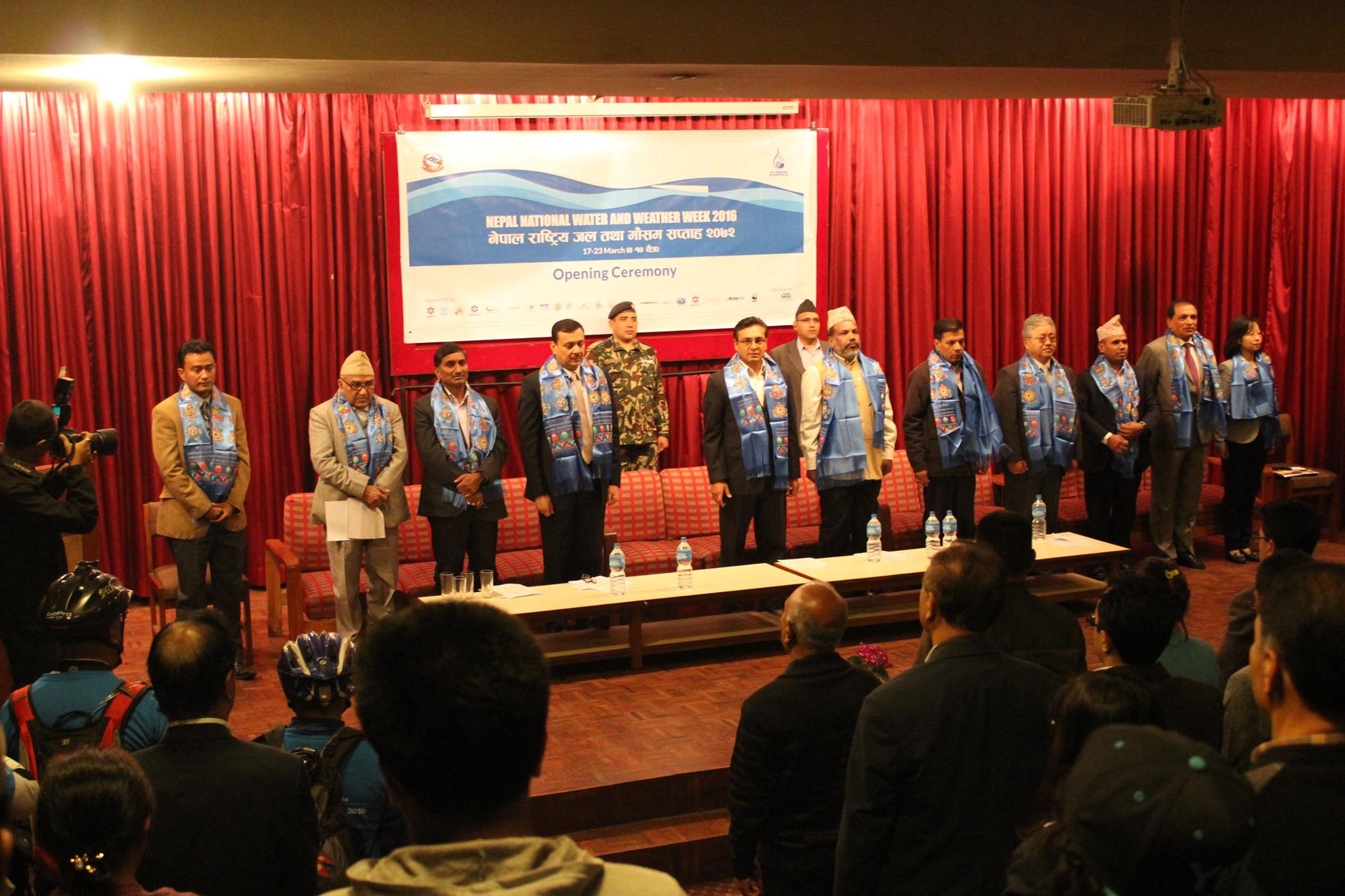
Nepal National Glacier, Water and Weather Week (NNGWWW) is a flagship initiative of SEN, held annually from March 17-23, to create a dialogue and raise awareness about climate issues. It initially started as Nepal National Water Week (NNWW) in 2009 and later renamed as Nepal National Water and Weather Week (NNWWW) in 2016 as per the recommendation from the Department of Hydrology and Meteorology (DHM). This year the UN Water designated the year 2025 as the International Year of Glacier Preservation (IYGP) and 21 March to be observed as World Day for Glaciers (WGD) celebration to draw attention to the effects of glacier changes in the ecosystems and communities downstream. Hence, from this year the NNWWW has been reorganized to incorporate glacier-focused activities and has been renamed as Nepal National Glacier, Water, and Weather Week (NNGWWW) 2025.
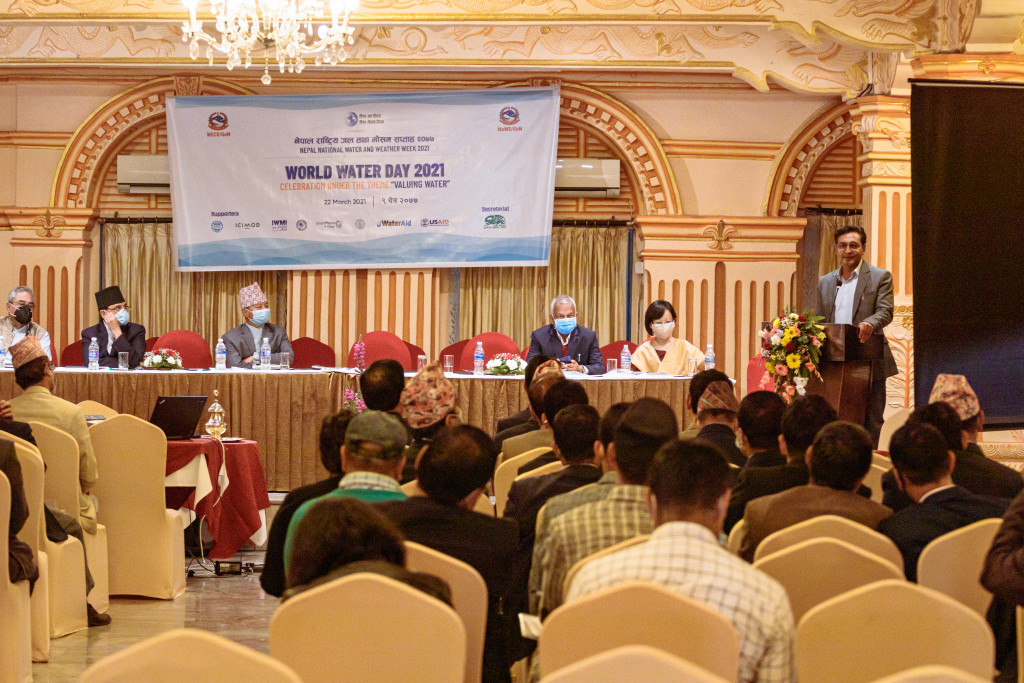
An international day to celebrate freshwater was recommended at the 1992 United Nations Conference on Environment and Development (UNCED). The United Nations General Assembly responded by designating 22 March 1993 as the first World Water Day. Each year, World Water Day highlights a specific aspect of freshwater. It encourages action by governments, organizations, communities, and individuals around the world to actively engage in addressing water issues and management challenges.
In Nepal too, the Day used to be commemorated by different organizations working in the water sector through different activities. However, there was lacking a joint effort of all stakeholders to come up with a single platform to advocate water issues in Nepal for better management of freshwater resources and sustainable utilization. Realizing the lacking The Small Earth Nepal (SEN) along with Water and Energy Commission Secretariat (WECS)/GoN initiated to connect all water stakeholders at a common platform through Nepal National Water and Weather Week (NNWWW), a national level network of water stakeholders to commemorate WWD, to initiate dialogue on water issues in a joint effort since 2009. The NNWWW is chaired by WECS where over 45 organizations including governmental and non-governmental agencies and private sectors, academia and youth-led organizations involve together. SEN has been serving as the secretariat for NNWWW since its beginning. The event is a common platform to share and discuss the various issues related to water and weather, and come up with some policy resolutions.
NNGWWW focuses on celebrating World Day for Glaciers (21 March), World Water Day (22 March) and World Meteorological Day (March 23) together through a week-long water related policy dialogues, research, workshops, advocacy, and awareness events in Nepal. The NNGWWW aims to celebrate the days nationwide and advocate it in a joint effort from various sectors. The major objectives of the NNGWWW are: to intensify discussion on water related issues focusing on water and sustainable management of water resources in Nepal, to make aware related stakeholder, from policy makers to general public on the importance of sustainable management of water, and to bring together the organizations and institutes working in water and environment sectors in a single platform to establish an umbrella organization, proposed as Nepal Water Forum, to bridge the gap among organization in Nepal and as a Government’s water focal point.
Activities of the NNGWWW are categorized into four themes: awareness, capacity building, research, and advocacy. Awareness raising activities are designed mainly for general public and school students. However, some of the awareness activities are also focused to policy makers to enhance their knowledge of understanding. University students are involved in capacity building and research projects. Advocacy activities are targeted to policy makers mainly law makers and bureaucrats with the involvement of various stakeholders.