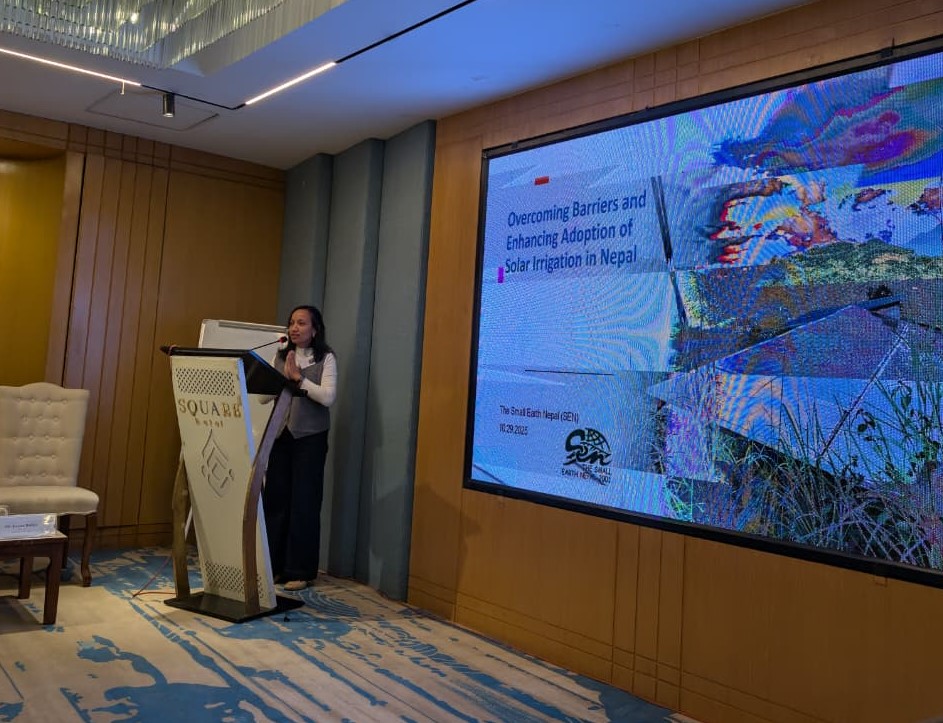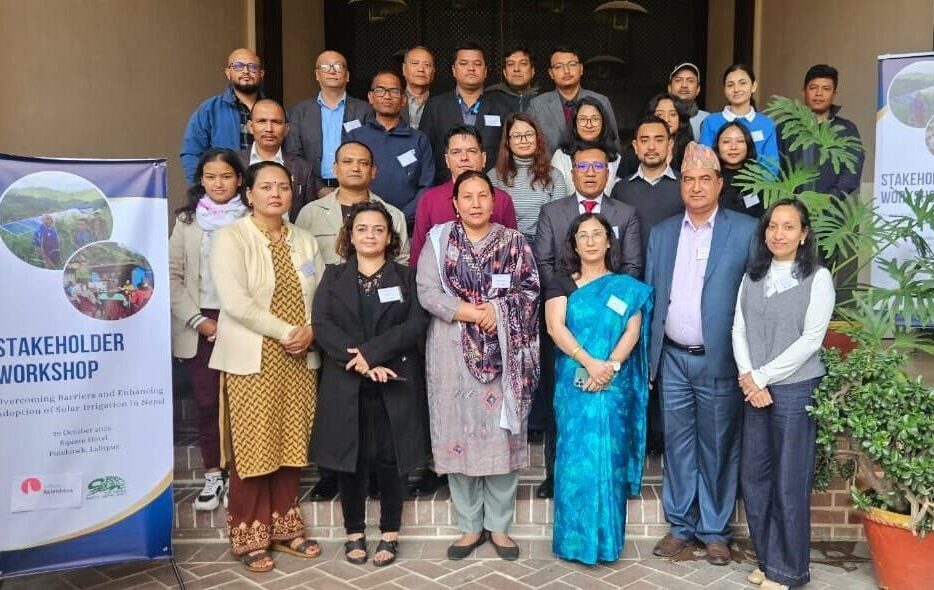
A stakeholder workshop for the project Overcoming Barriers and Enhancing Adoption of Solar Lift Irrigation in Nepal was organized on 29 October 2025 at Lalitpur, Nepal. The objectives of the workshop were to (i) exchange knowledge and experiences in terms of barriers and challenges of solar irrigation system in Nepal, and (ii) to discuss actionable strategies and policy recommendations for upscaling solar irrigation system as a climate-resilient and sustainable irrigation solution.
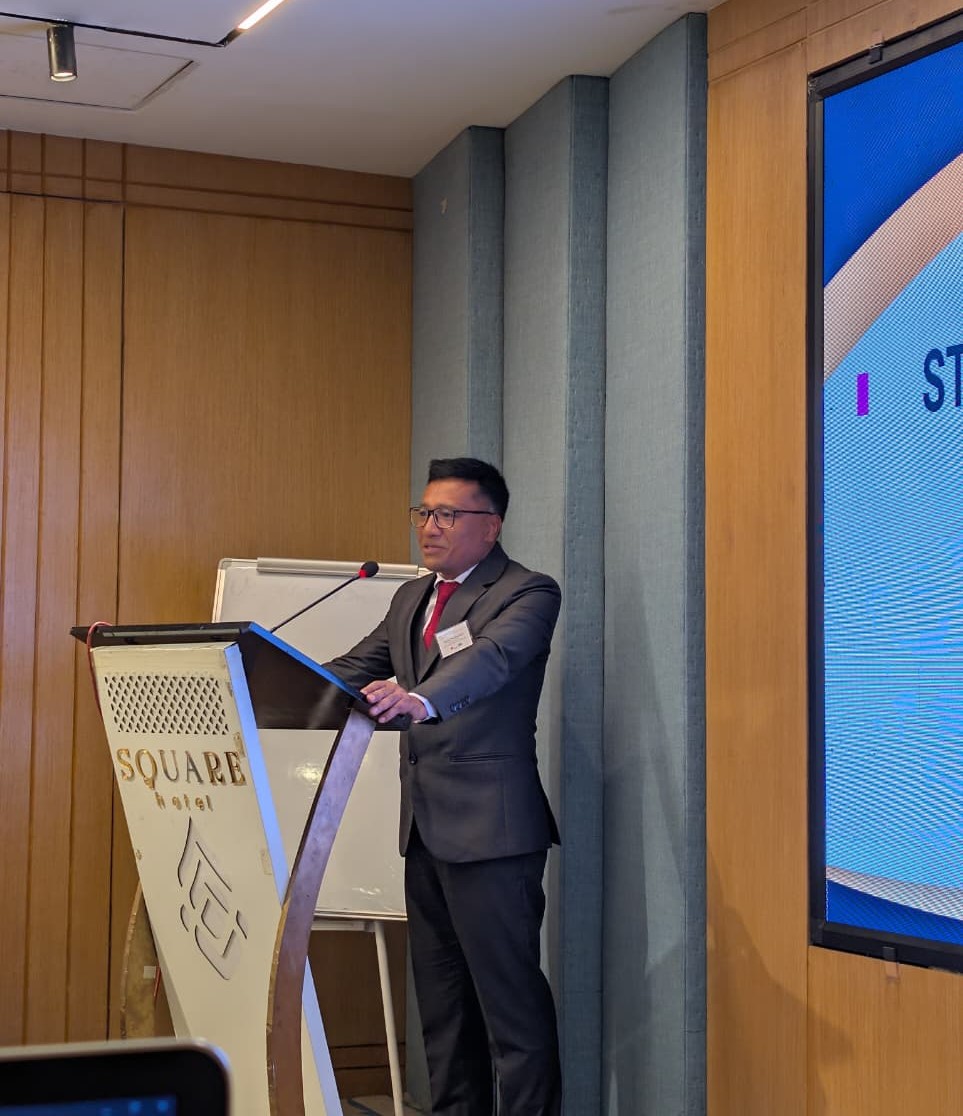
The workshop chaired by Dr. Dhiraj Pradhananga, President, SEN and UNESCO Chair in Mountain Water Sustainability, was attended by 32 participants representing academic and government institutions, private sectors, I/NGOs and local communities/leaders.
Mr. Bhawani S. Dongol, Executive Director, SEN welcomed the participants, followed by the presentation of the findings of project case studies by Ms. Suchita Shrestha, Project Lead which outlined key learning across multiple sites and barriers to wider adoption of solar lift irrigation.
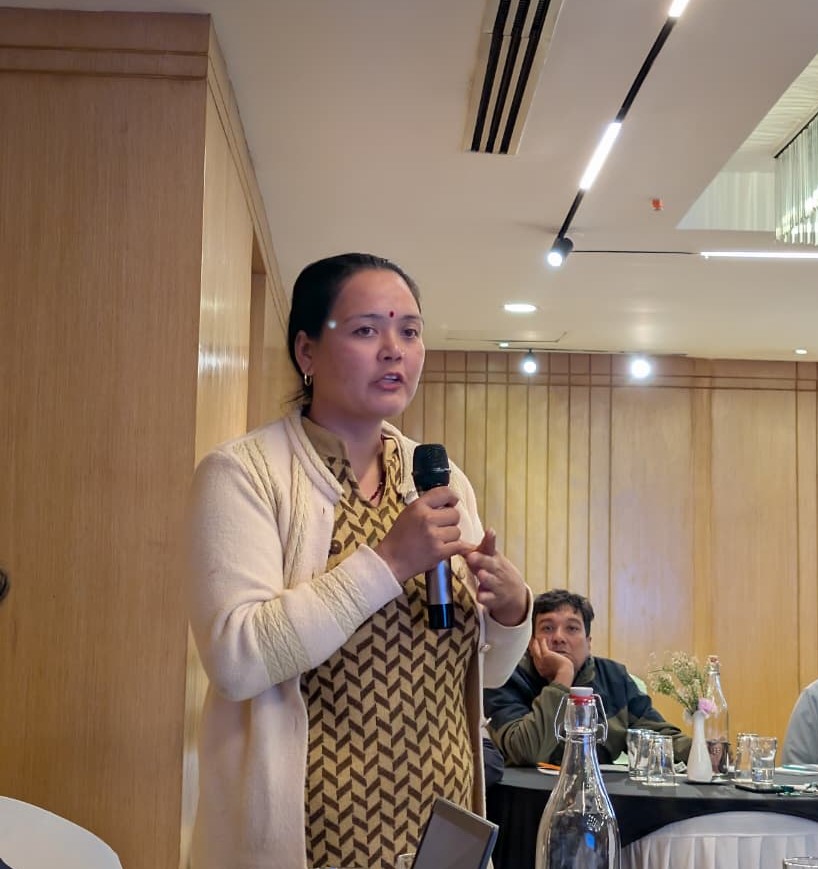
Community representatives from Ramechhap, Dhading, and Lalitpur districts shared their on-the-ground experiences regarding the solar lift irrigation system. They not only highlighted the tangible improvements in water access and livelihood because of solar irrigation but also shared their sentiments about the challenges. The high costs of operation and maintenance, lack of technical know-how within the community, water source related conflicts, damages in the system, due to extreme events such as floods, landslides, lightnings, incomplete projects and resource limitations were concerns among many.
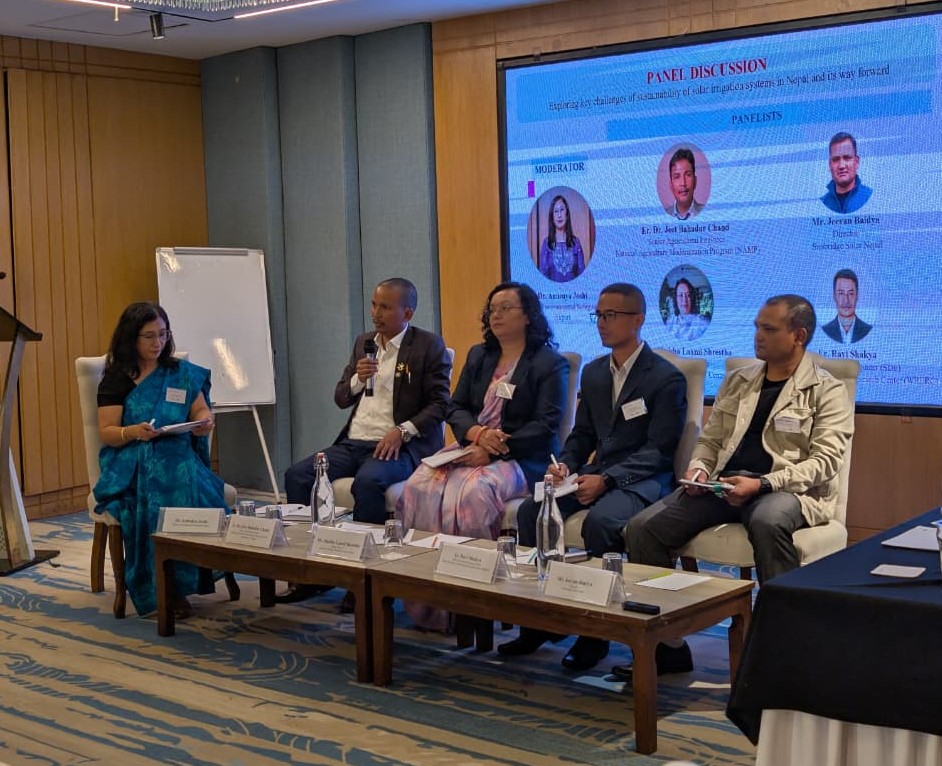
The panel discussion, moderated by Dr. Anusuya Joshi, Senior Environmental Safeguard Expert, brought together experts: Er. Ravi Shakya, Senior Divisional Engineer, Water Resources and Energy Research Center (WRERC), Dr. Jeet B. Chand, Senior Agricultural Engineer, National Agriculture Modernization Program (NAMP), Ms. Shubha Laxmi Shrestha, Deputy Director, Alternate Energy Promotion Centre (AEPC), Mr. Jeeban Baidya, Director, Sunbridge Nepal. The discussion centered on the technical, financial, and institutional barriers to sustaining solar irrigation systems and its way forward in Nepal. The panellists highlighted the need for multi-use of solar energy, research and database of solar irrigation projects, financial access, new business model, coordination among institutions and capacity building activities to sustain the use of solar irrigation. They emphasized the opportunities renewable energy has in agriculture but stressed that it is not a “fit and forget” solution. Regular maintenance mechanisms, local training to build local capacity, and revised after-sales service policies are some of the ways forward for Nepal’s solar irrigation. In the experience sharing session, representatives from various organizations provided their own experiences of challenges faced in solar irrigation and suggested a way forward. The representatives also urged the government to promote public-private partnerships, inclusive governance, and climate-resilient system designs tailored to Nepal’s diverse terrains.
The workshop concluded with reflections from the participants and closing remarks by Dr. Dhiraj Pradhananga, emphasizing the importance of collaborative efforts to strengthen Nepal’s solar irrigation ecosystem.