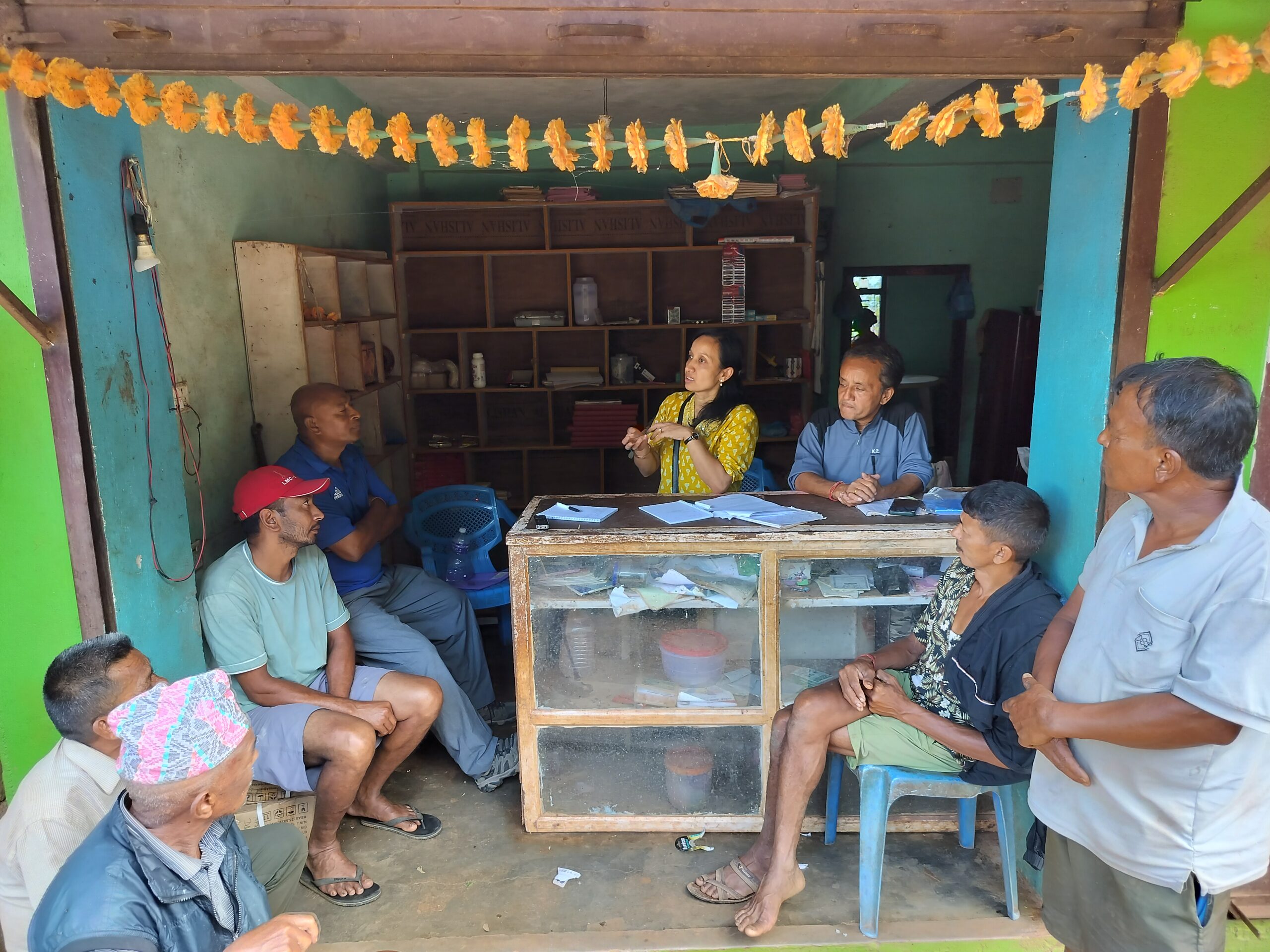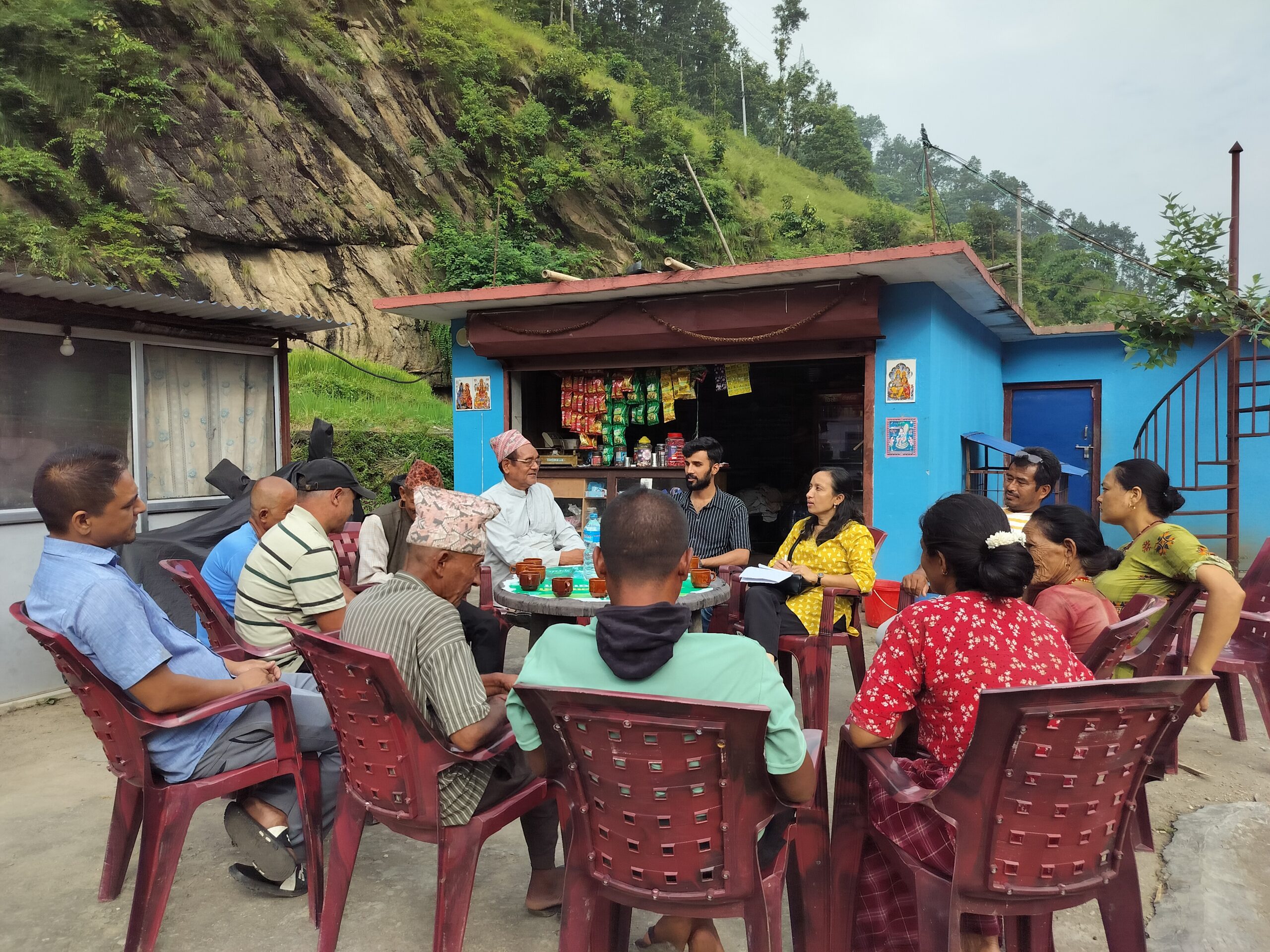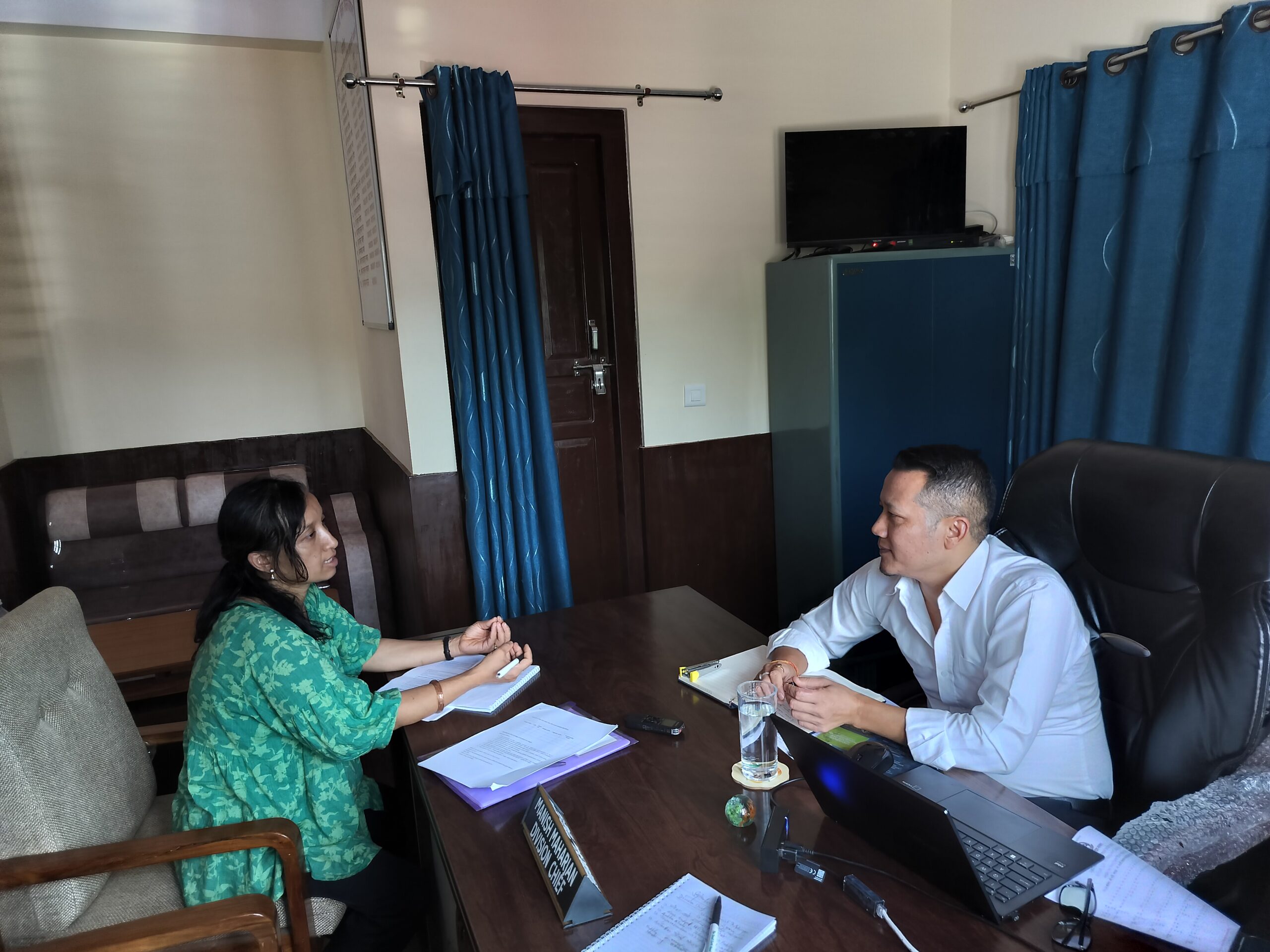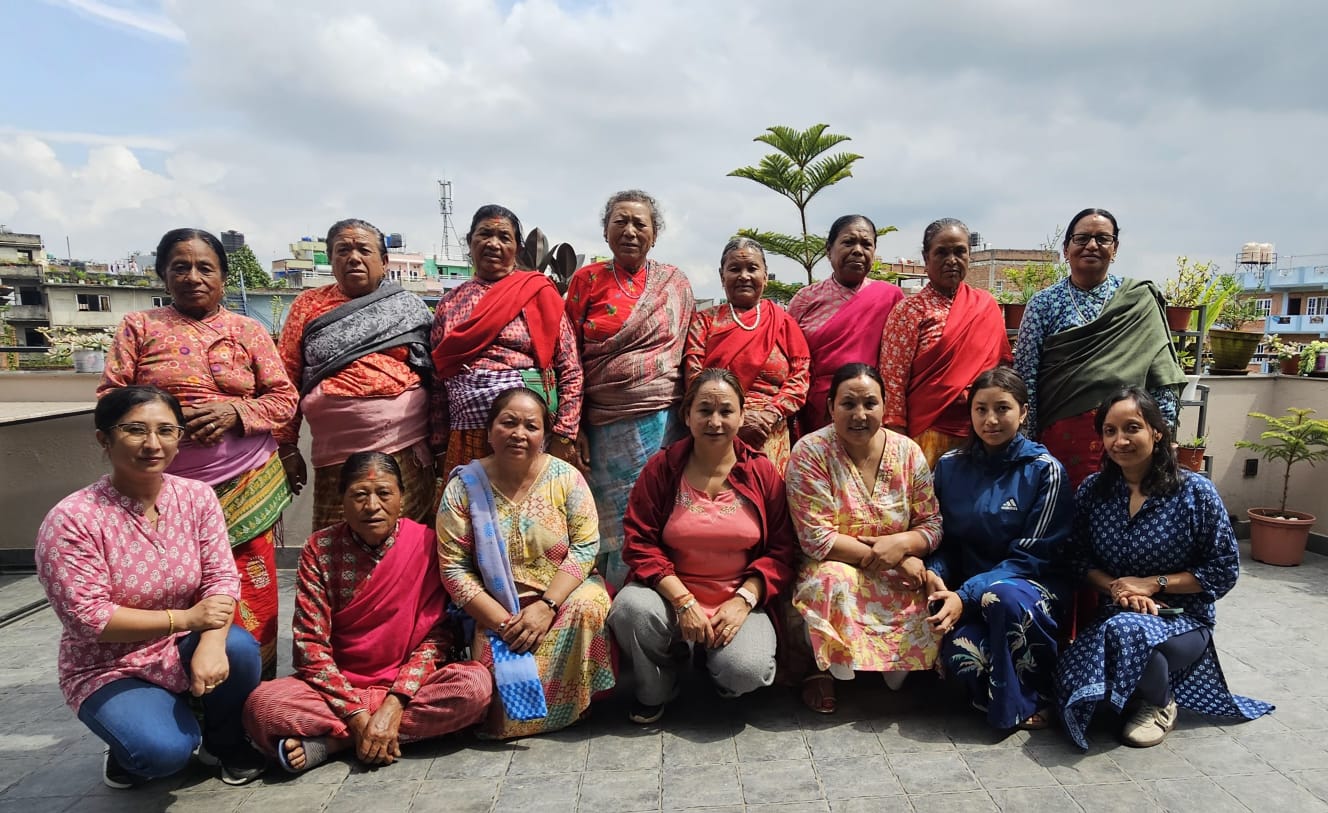
The Small Earth Nepal (SEN) conducted field visits at Dhading district (31 August-2 September 2025), Ramechhap district (8-9 September 2025) and Lalitpur Metropolitan City (19 September 2025) as part of the research project “Overcoming Barriers and Enhancing Adoption of Solar Lift Irrigation in Nepal”, funded by the Asia House Foundation, Germany under The Climate Crisis and Civil Society in Asia program. The research project aims to identify existing challenges, opportunities, and community perceptions related to solar lift irrigation technology in Nepal.
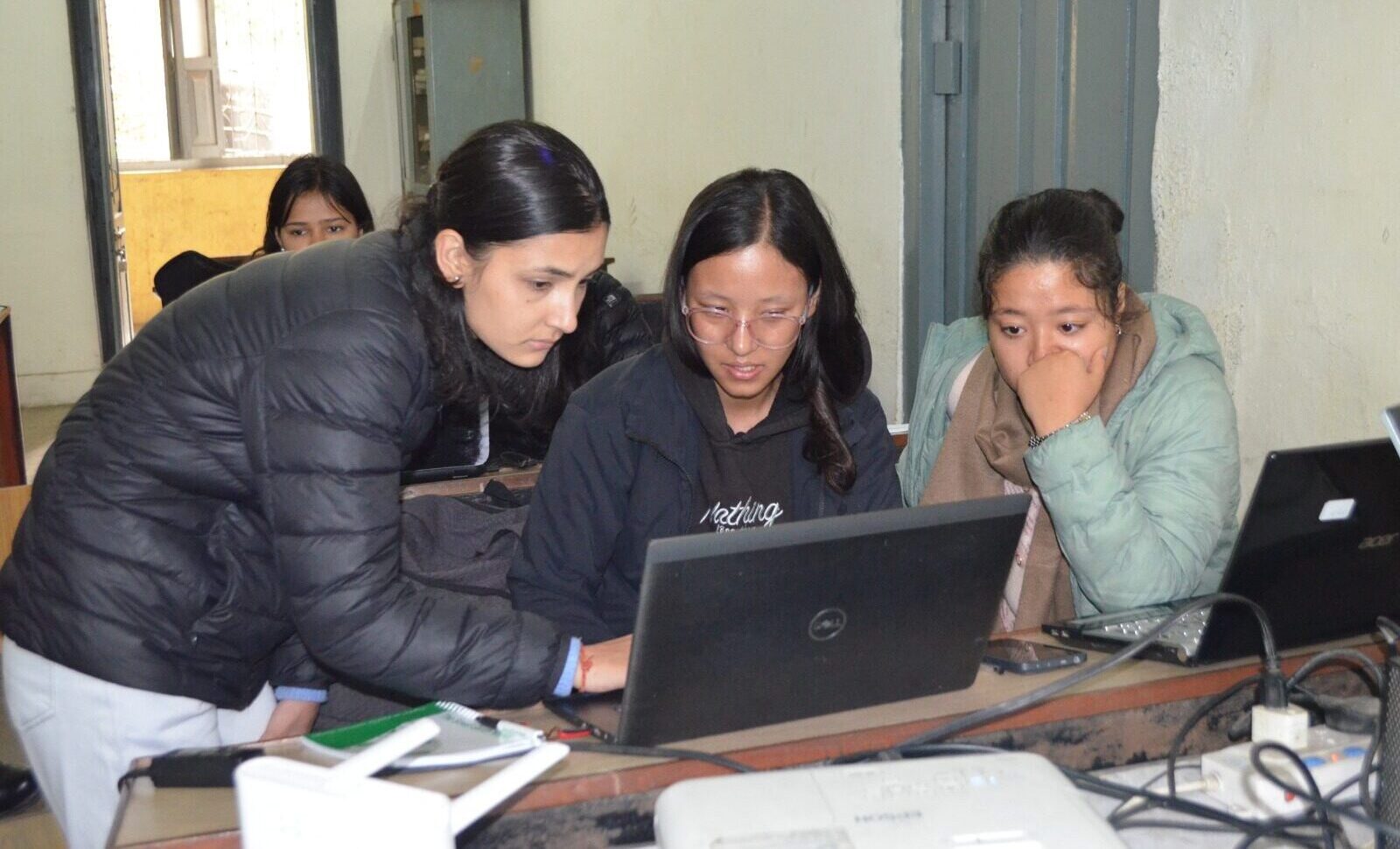
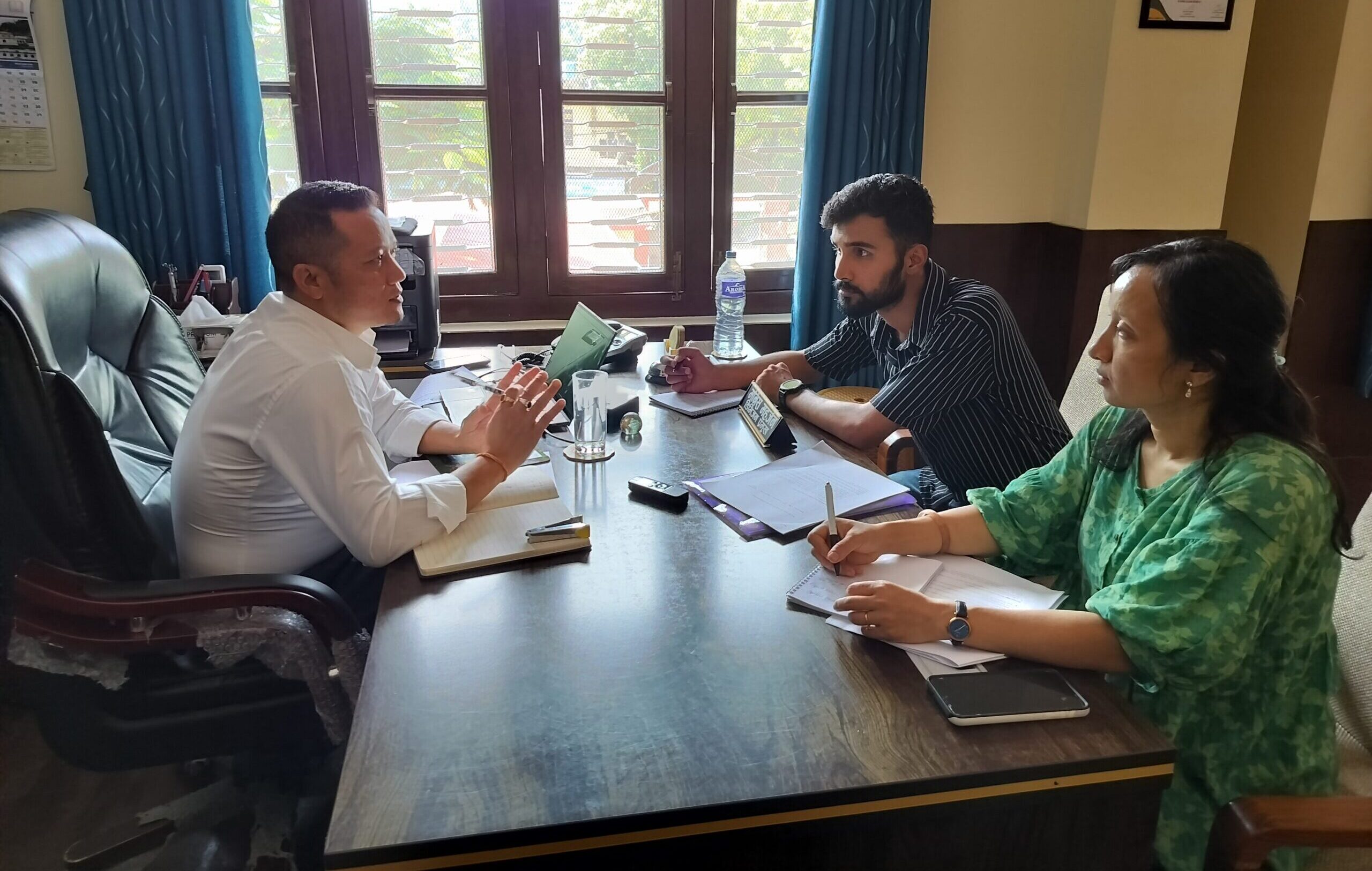
In Ramechhap, the team visited Wards 1 & 13 of Manthali Municipality while in Dhading, the team covered Wards 3 & 4 of Jwalamukhi Municipality and Ward 14 of Nilkantha Municipality. Moreover, in Lalitpur Metropolitan City, the team visited Sunakothi Ward 27. The research team conducted Focus Group Discussions (FGDs) with local farmers including representatives from solar irrigation committee and other beneficiaries. Key Informant interviews (KII) were also conducted with organisational representatives such as ward chair, solar related technicians, solar irrigation committee members and government officials.
The field survey highlighted a range of technical, social, and institutional issues. Communities reported frequent pipe bursts, damage due to lightening and flooding events, declining panel efficiency, and heavy dependence on hybrid solar-electric systems, with weak maintenance system and lack of funds and insurances further limiting sustainability. Committees lacked the capacity and resources to manage systems effectively, conflict with the neighbouring community for water resources while women’s participation was found to be minimal in decision making. When the solar irrigation is augmented with other intervention such as tunnel farming, drip irrigation, grafting technology, and mechanized farming a boost in agriculture production was found to be boosted, farmers still struggled with poor market access. At the policy level, drinking water is prioritized over irrigation, projects often remain incomplete after changes in government representatives and there is lack of coordination among government agencies underscoring the need for better technical planning and risk assessments. Communities expressed that while solar irrigation is sustainable in the long term, the high initial investment, costly operation and maintenance, and lack of local technical expertise remain major barriers to wider adoption. Many households still depend on electricity-based lifting systems, which are cheaper to install and operate compared to solar.
The findings are expected to support local stakeholders and policymakers in addressing barriers and promoting more sustainable, equitable, and climate-resilient irrigation solutions in Nepal.