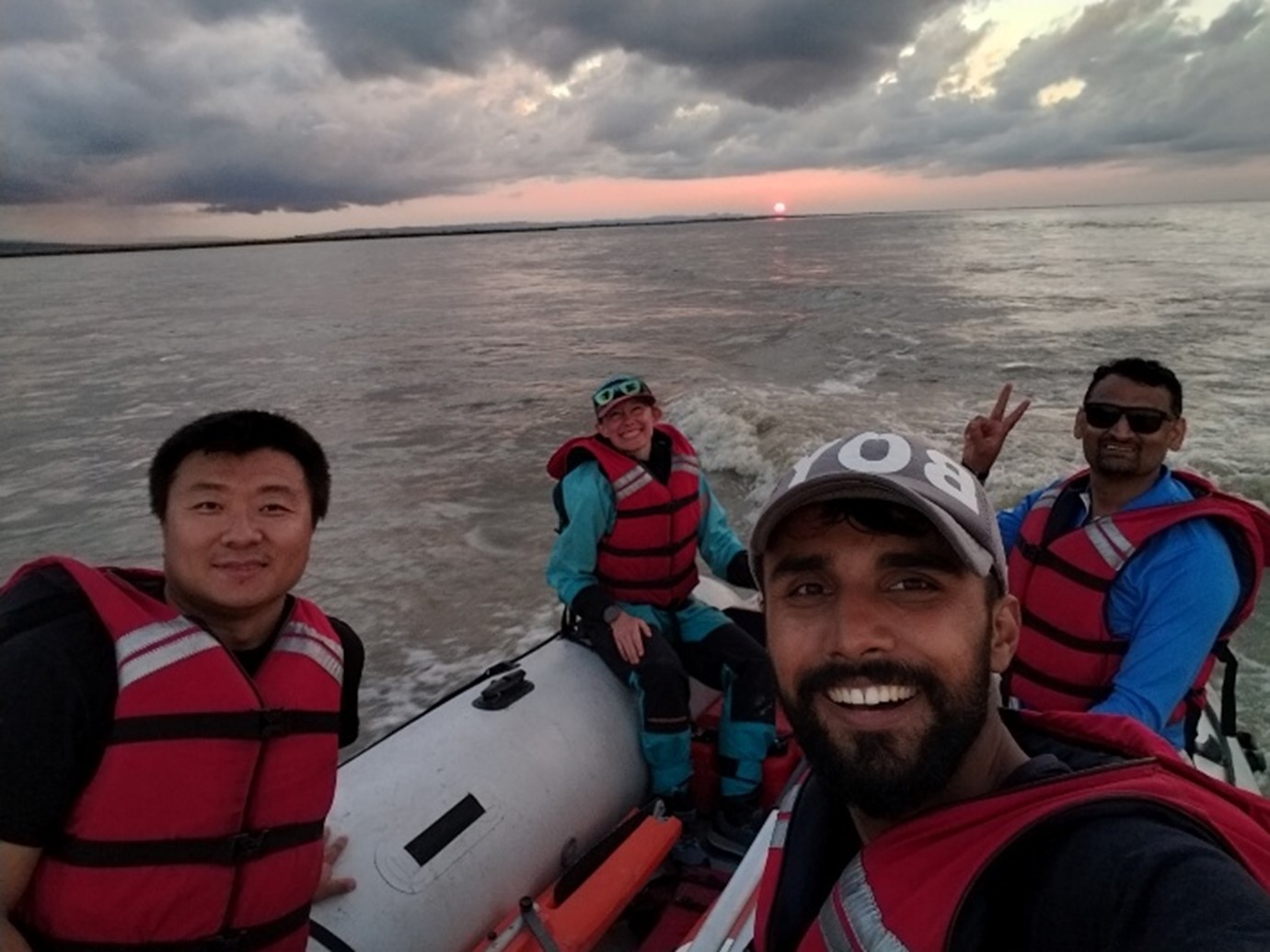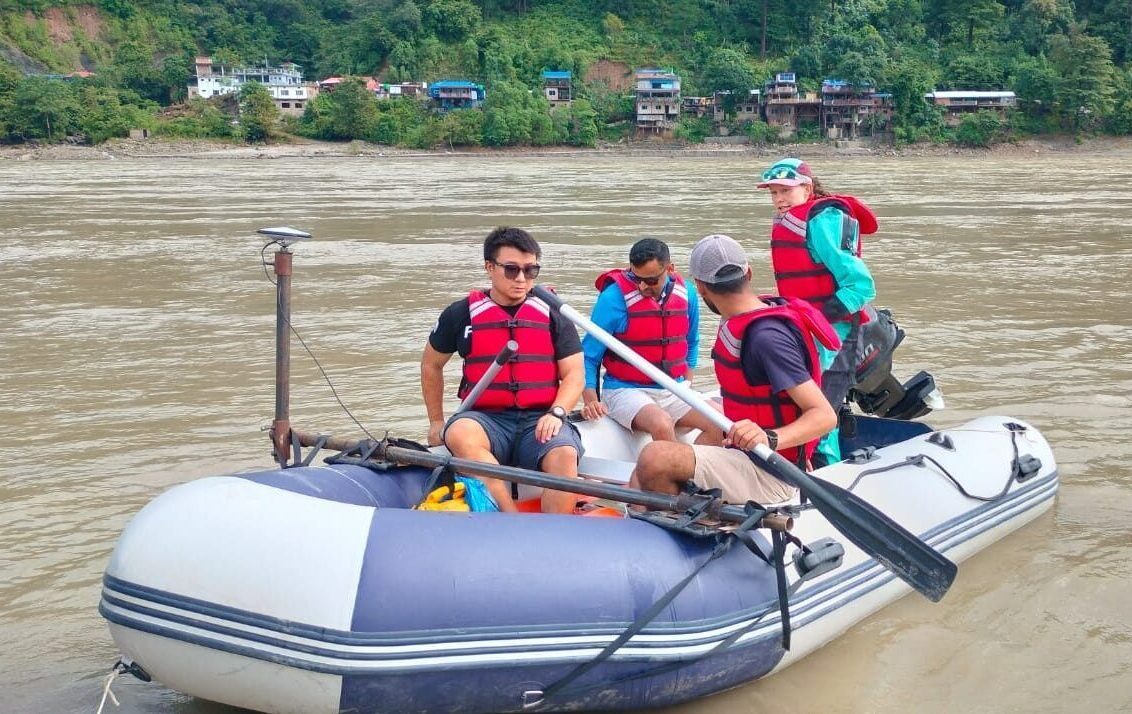
The Small Earth Nepal (SEN), in collaboration with Saint Louis University (SLU), has initiated second phase of field measurements under the project titled “SWOT Prior Estimates of Nepal-India Transboundary River Discharge”. This effort focuses on validating satellite-based discharge estimates from the NASA Surface Water and Ocean Topography (SWOT) mission through in situ measurements across Nepal’s major river systems, which include Koshi, Narayani, Bagmati, Rapti, and Karnali.
This project led by Dr. Bo Wang (PI) from SLU and Dr. Dhiraj Pradhananga (International Collaborator), Tribhuvan University (TU), along with their PhD students Carly Koppe (SLU) and Binod Parajuli (TU).
The team began their journey this week (30 October 2025) and will continue until the end of November 2025, covering key river sites from Eastern to Western Nepal. The field campaign aims to strengthen hydrological data collection and support regional water resource management.
Using Acoustic Doppler Current Profiler (ADCP) technology, the team will measure river discharge and flow velocity. Global Navigation Satellite System (GNSS) is being used to record accurate water surface elevation, while depth sounders assist in profiling the water depth of rivers. These combined measurements will help validate SWOT satellite data and improve the accuracy of discharge estimates for transboundary rivers between Nepal and India.
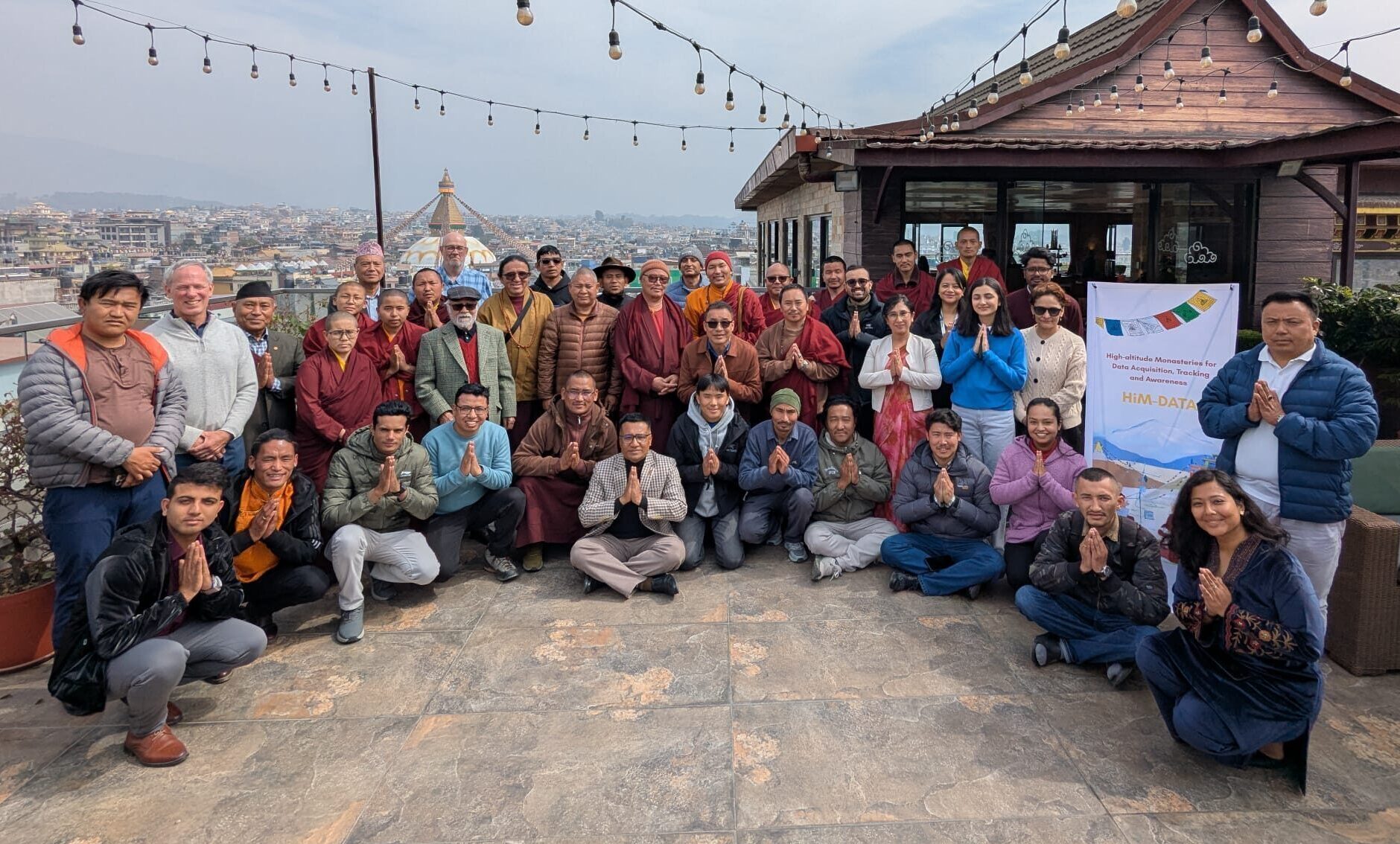
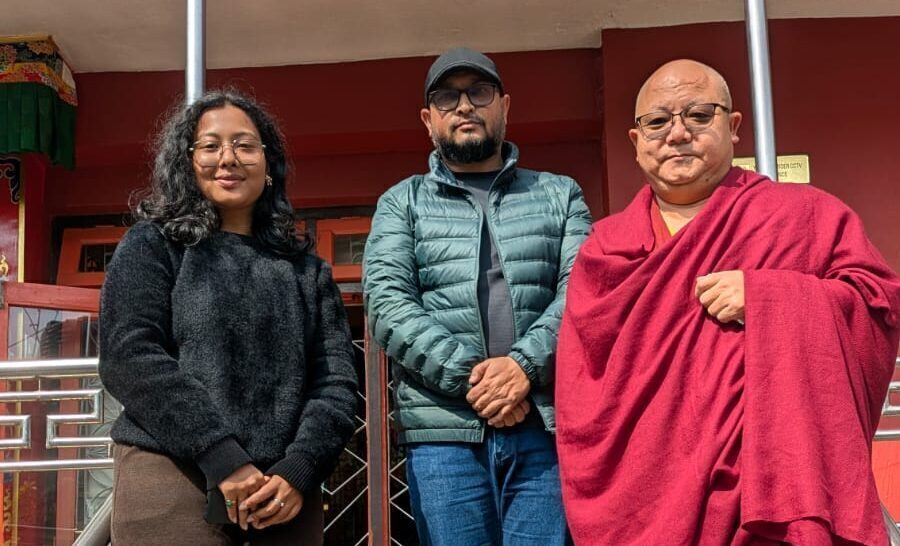
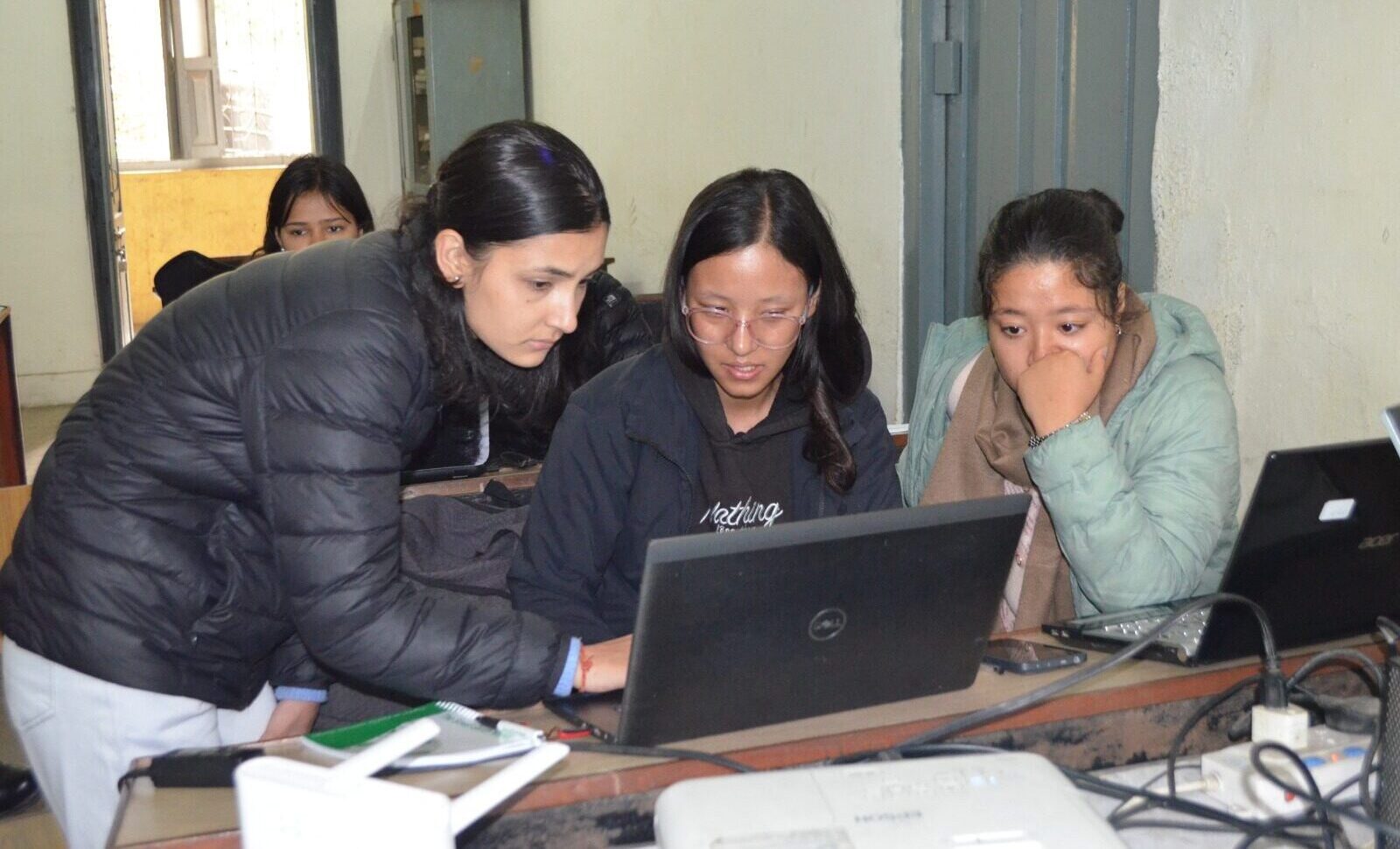
The field campaign brings together a multidisciplinary team from several institutions. From the Department of Hydrology and Meteorology (DHM), Government of Nepal, Hydrologist, Er. Rupak Thapa from the Dharan Office and from The Small Earth Nepal, Mr. Ashok Ghimire, Mr. Sushant Dhital, Ms. Aakriti Dhakal have joined the field activities. The team also includes Mr. Bishal Devkota, an undergraduate student from Tri-Chandra Multiple Campus, supporting field operations and technical assistance.
This joint initiative between SEN and SLU continues to advance scientific understanding of Nepal’s river systems and supports informed decision-making for climate resilience and transboundary water governance.