Over five days from 25 to 29 January 2026, more than 30 Tharu women, 40 students, and five male allies gathered at Geruwa Rural Municipality and Madhuwan Municipality in Bardiya district to participate in Nadi ra Nari (River and Women) and Nadi ra Ma (River and I), an artivism initiative led by The Small Earth Nepal (SEN) under the CLASSIK project. The initiative aimed to bring the lived experiences of women and their voices to enhance meaningful planning and decision-making in local water management in the face of a changing climate.
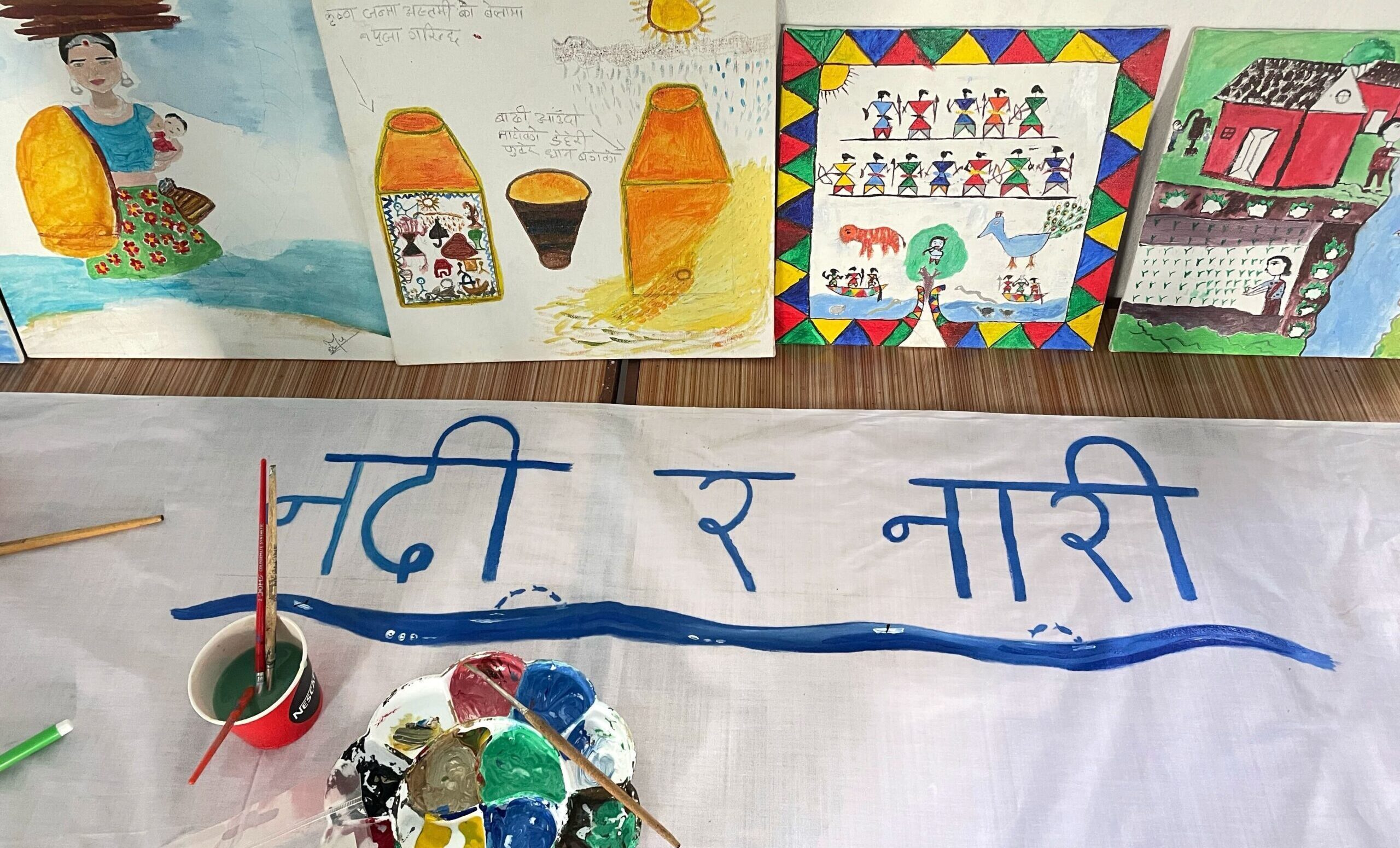
By using creative expression and artistic media, including paintings, clay sculptures, poetry, traditional Tharu dance, and self-composed songs in Tharu language, we documented women’s lived experiences with the rivers of the Lower Karnali Watershed Region. For communities in Terai lowlands of Bardiya, these rivers are both a lifeline and a recurring source of devastation. Intensifying monsoon flooding regularly destroys crops, homes, and food stores, while erratic dry spells threaten drinking water and irrigation systems in off seasons.
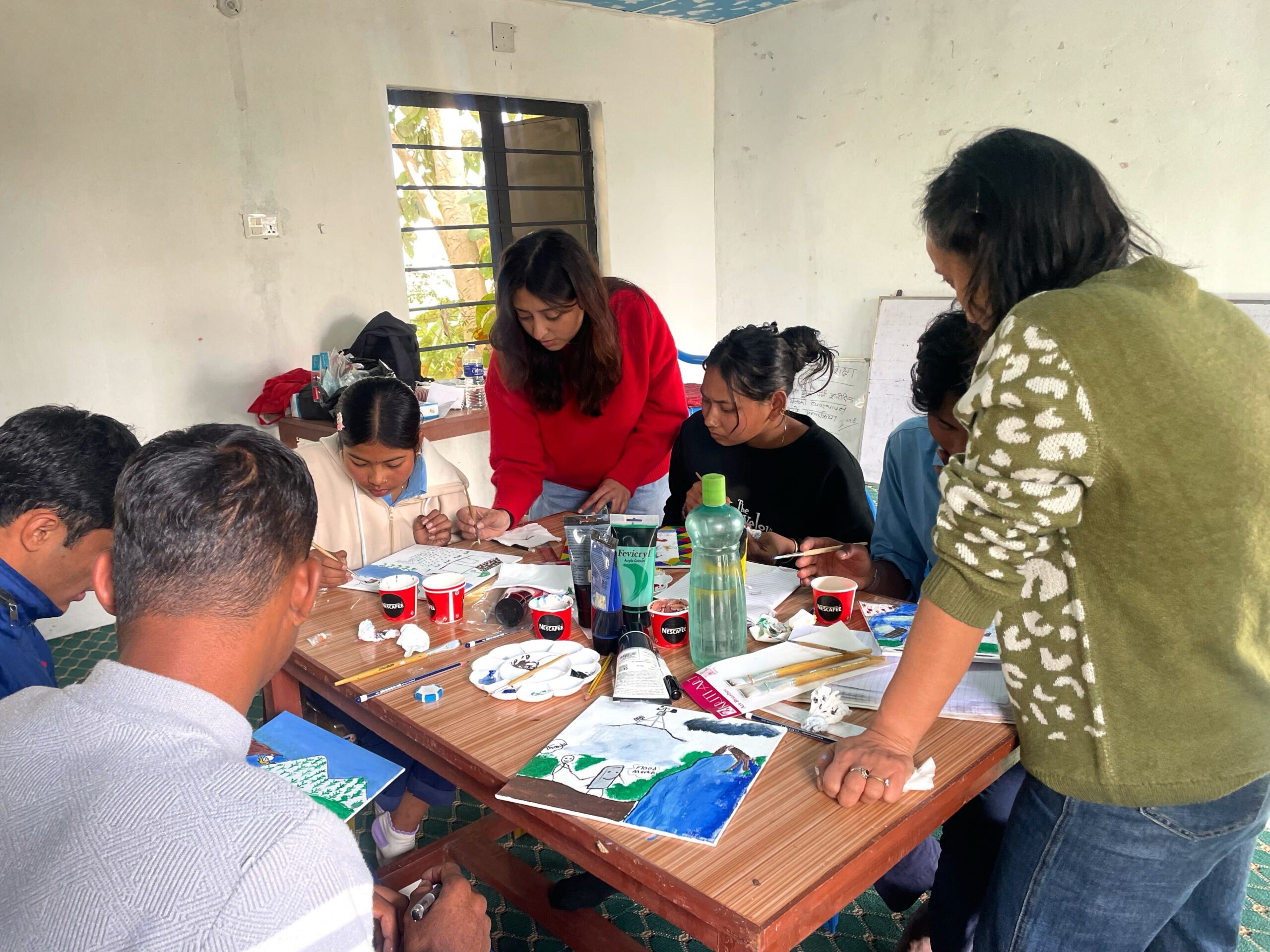
Despite being the primary managers of household water and frontline responders during flood emergencies, women in these communities remain systemically excluded from formal water resources and disaster management planning and decision-making.
“The Khauraha River irrigates our fields, makes the soil fertile, and brings happiness into our lives. But it also brings destruction and sorrow, and we have to endure many hardships,” said Debu Tharu, one of the women participants.
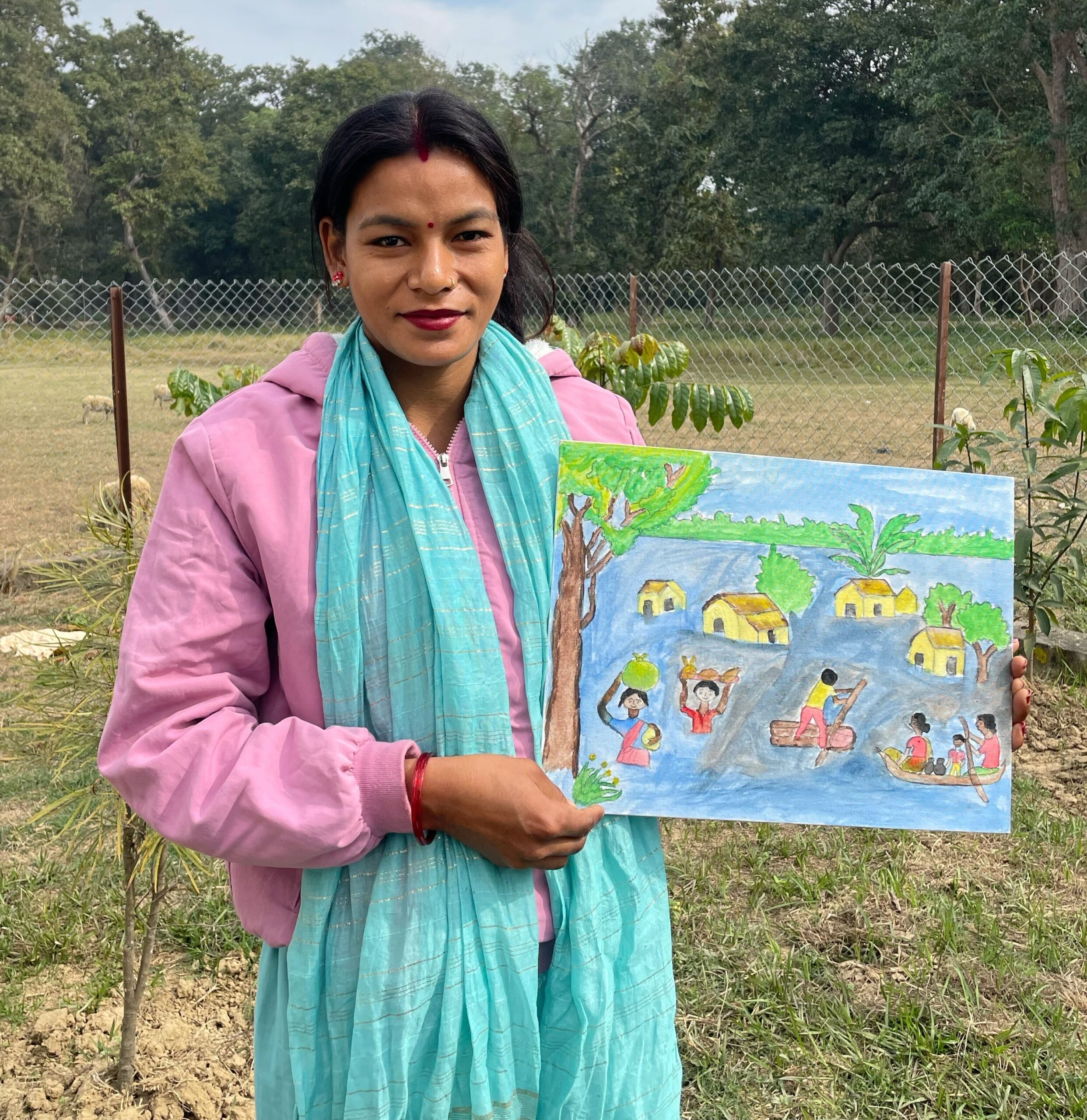
Following ward-level orientation sessions on ethical storytelling, participants produced artworks depicting flooding, water-carrying burdens, and community resilience. A public exhibition was held in partnership with respective municipalities, Karnali Integrated Rural Development and Research Centre (KIRDARC) and Tharu Women Upliftment Centre (TWUC), attended by ward representatives, community leaders, and water user group members.
“Art and cultural expression make environmental issues more relatable and impactful,” said Mr. Jaman Singh K.C., Chairperson of Geruwa Rural Municipality. “We need collaboration between local government and communities to ensure inclusive and sustainable water governance.” The artivism not only provided the gateway to express women’s and children’s experiences and aspirations but also provided the opportunity to exchange knowledge and inspired local government to address those aspirations through policy actions.
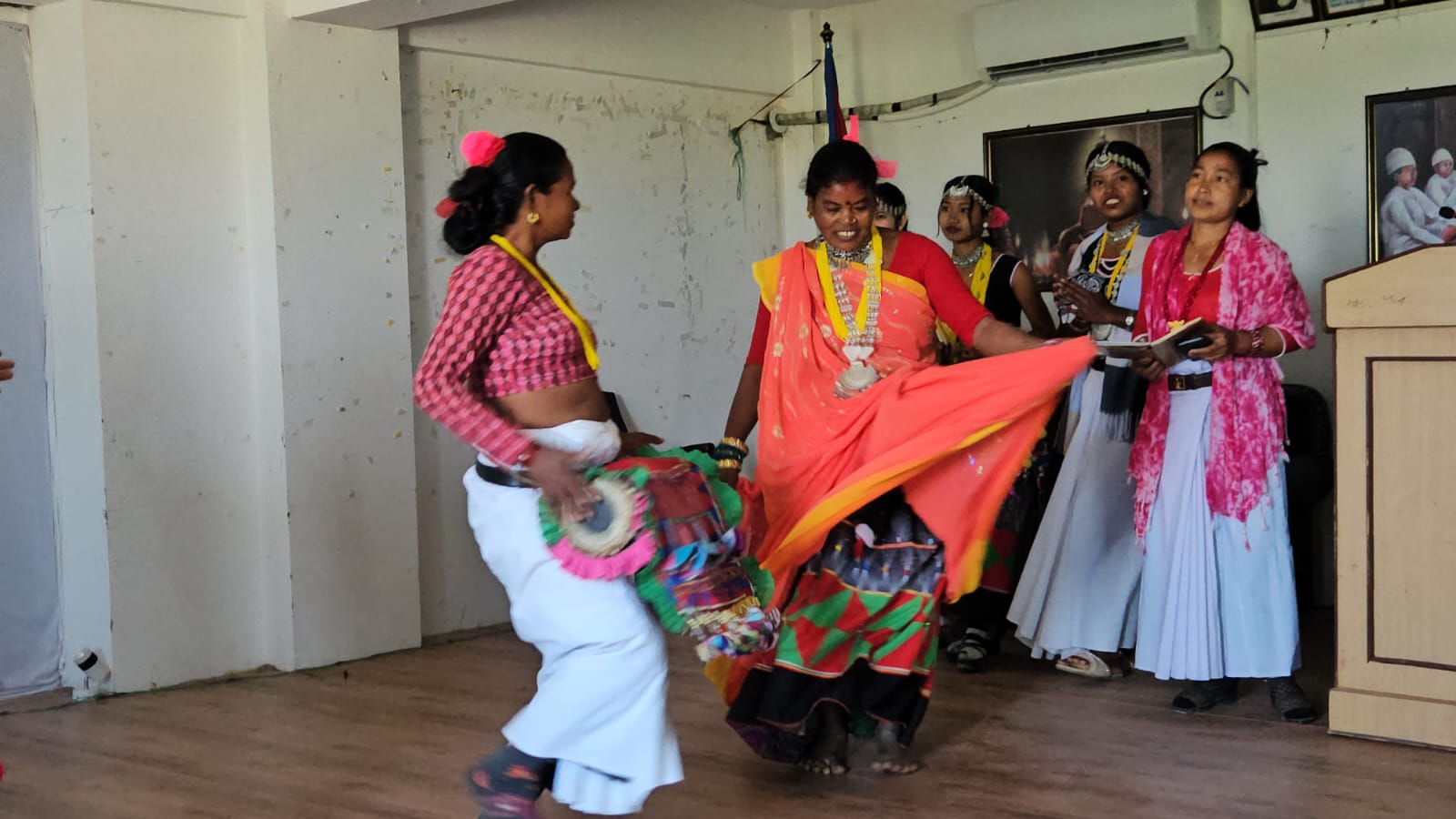
The artistic outputs will be carried forward under the CLASSIK project, with planned exhibition at the Nepal National Glacier, Water and Weather Week (NGWWWW) 2026, bringing community-generated evidence into national policy conversations.