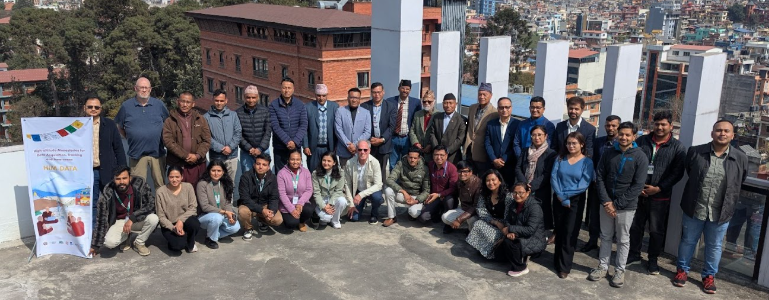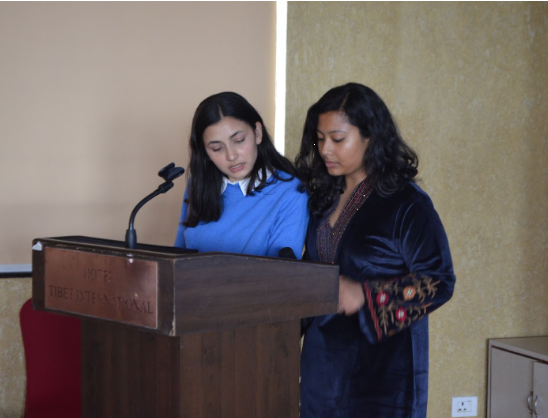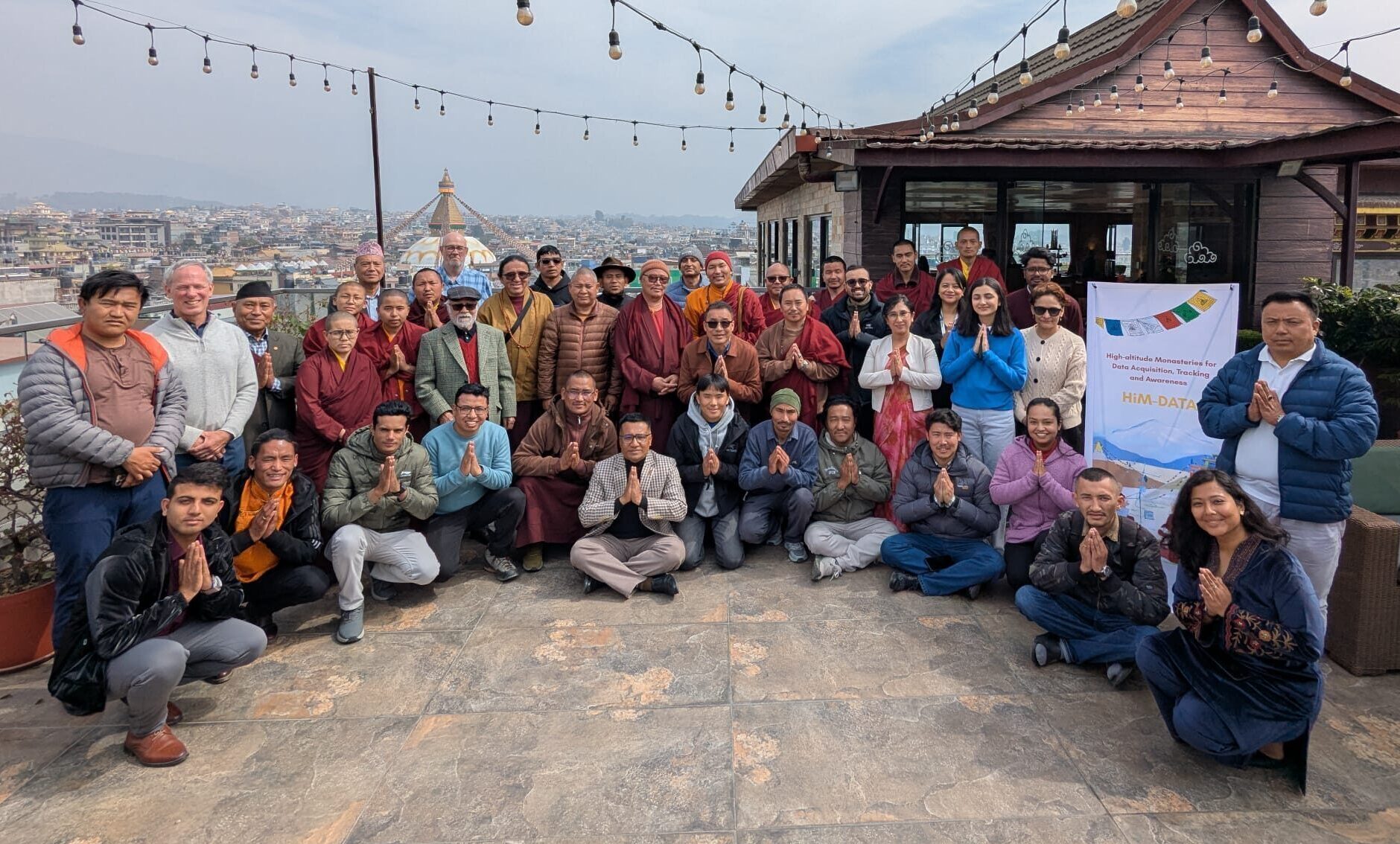
The High-altitude Monasteries for Data Acquisition, Tracking & Awareness (HiM-DATA) workshop was held from 18-20 February 2026 in Kathmandu, Nepal, bringing together government officials, researchers, development partners, academicians, and monastic communities to formally introduce the initiative and engage stakeholders in discussions on its objectives, implementation pathways, and the vital role of high-altitude communities in strengthening climate monitoring across the Himalayas. Designed as an open and collaborative platform, HiM-DATA encourages active participation from diverse institutions and sectors, fostering cross-sectoral partnerships that integrate science, policy, and indigenous knowledge systems to promote sustainable development, community-based stewardship, and locally grounded climate action.
The HiM-DATA initiative is being advanced in collaboration with The Small Earth Nepal (SEN), the International Centre for Water Resources and Global Change (ICWRGC), Tribhuvan University, and the UNESCO Chair in Mountain Water Sustainability. The workshop was organized as a contributing activity under the global frameworks of the International Year of Glaciers’ Preservation 2025 (IYGP 2025) and the Decade of Action for Cryospheric Sciences (DACS), aligning local mountain monitoring efforts with broader international commitments to glacier preservation, cryospheric research, and climate resilience.
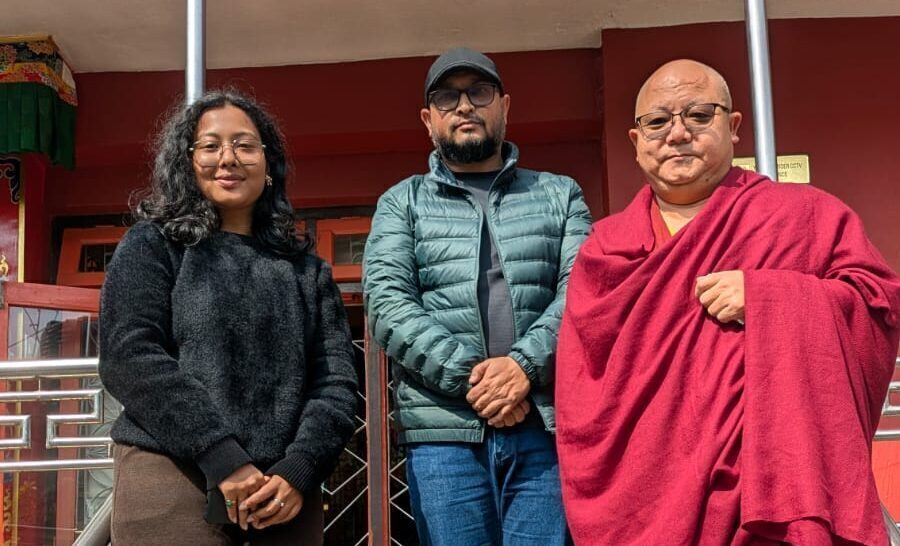
A Memorandum of Understanding (MoU) was signed between The Small Earth Nepal (SEN) and Namkha Khyung Dzong Monastery to define responsibilities for station setup, operation, data management, and sustainability. The workshop also featured insights from retired Environment Canada experts Mr. Jamie Smith and Mr. Roger Roberge, and remarks from leading climate scientists, including Dr. Baker Perry, Dr. John Pomeroy, Dr. Sulagna Mishra, Dr. Toru Terao, and Mr. Michael Crowe. They highlighted the importance of open science, data accessibility, local observation networks, and integrating indigenous knowledge and community participation into climate policy, especially in sensitive mountain environments like the Himalayas.
Day 1: Building the Foundation, From Concept to Operational Plan
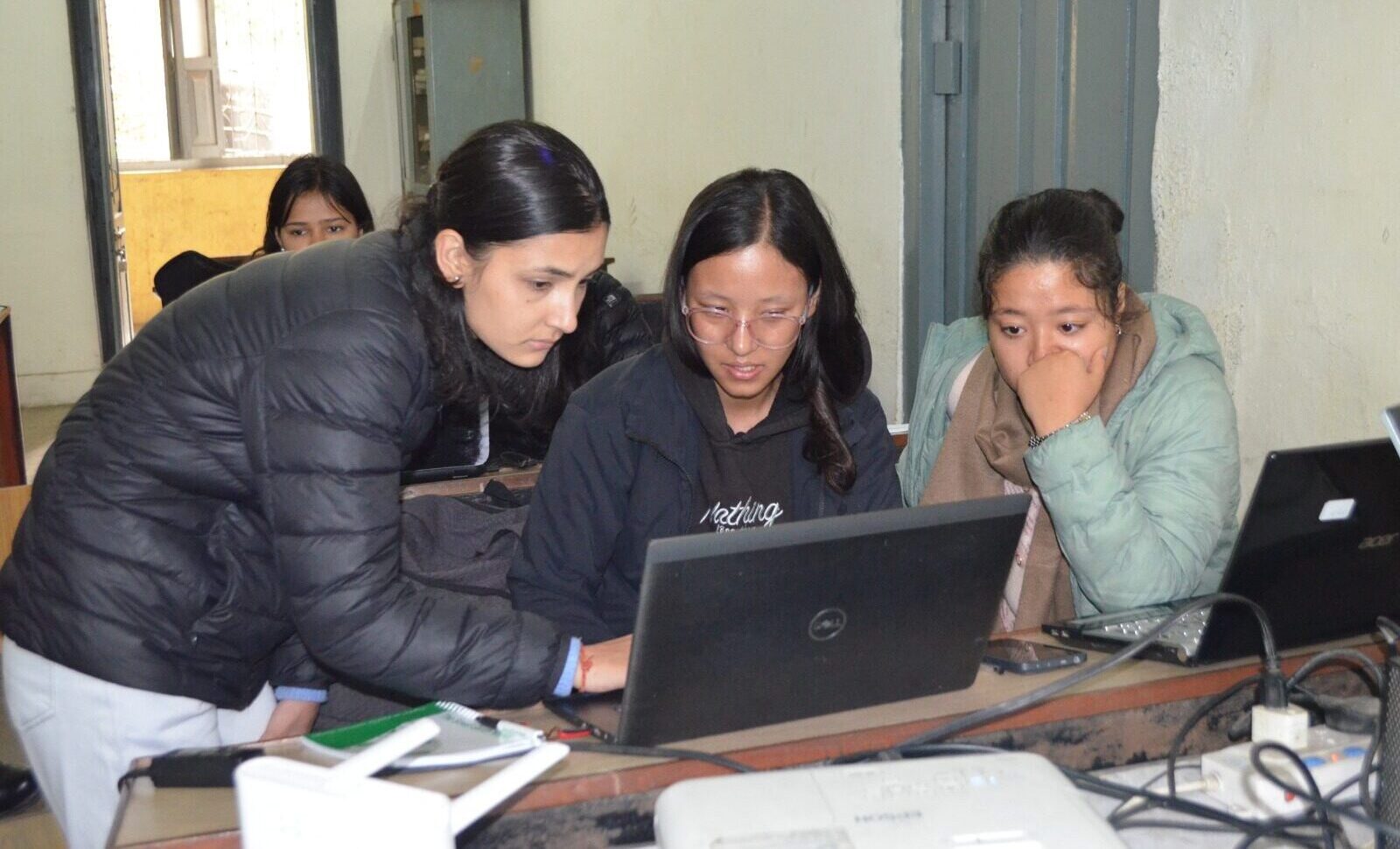
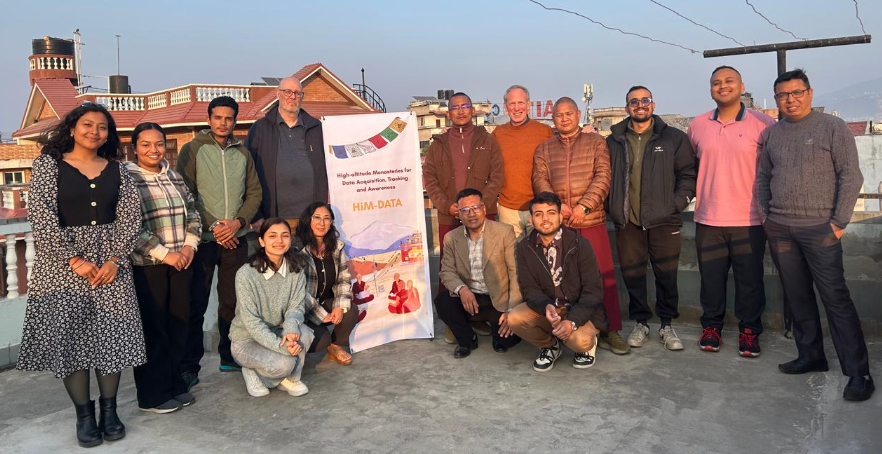
The workshop began with intensive technical discussions hosted by The Small Earth Nepal, where the team refined the implementation roadmap. Participants examined geographical data gaps in high-mountain regions, installation challenges at extreme altitudes, equipment requirements, and long-term maintenance strategies.
Technical input from the Department of Hydrology and Meteorology (DHM) ensured that the initiative aligns with Nepal’s national hydro-meteorological monitoring framework. These early sessions transformed the HiM-DATA concept into a clear and practical pilot plan.
Importantly, discussions also focused on how HiM-DATA can grow beyond the pilot site, serving as a model for other high-altitude regions in the Himalayas and potentially in mountain areas worldwide. Participants explored strategies for expanding the network of monastic observation stations, engaging local communities, integrating indigenous knowledge, coordinating with governments and research institutions, and sharing open data to support regional and global climate monitoring efforts. These discussions positioned HiM-DATA not only as a national initiative but as a scalable, internationally relevant model for mountain climate resilience.
Day 2: Institutional Commitment and Community Ownership
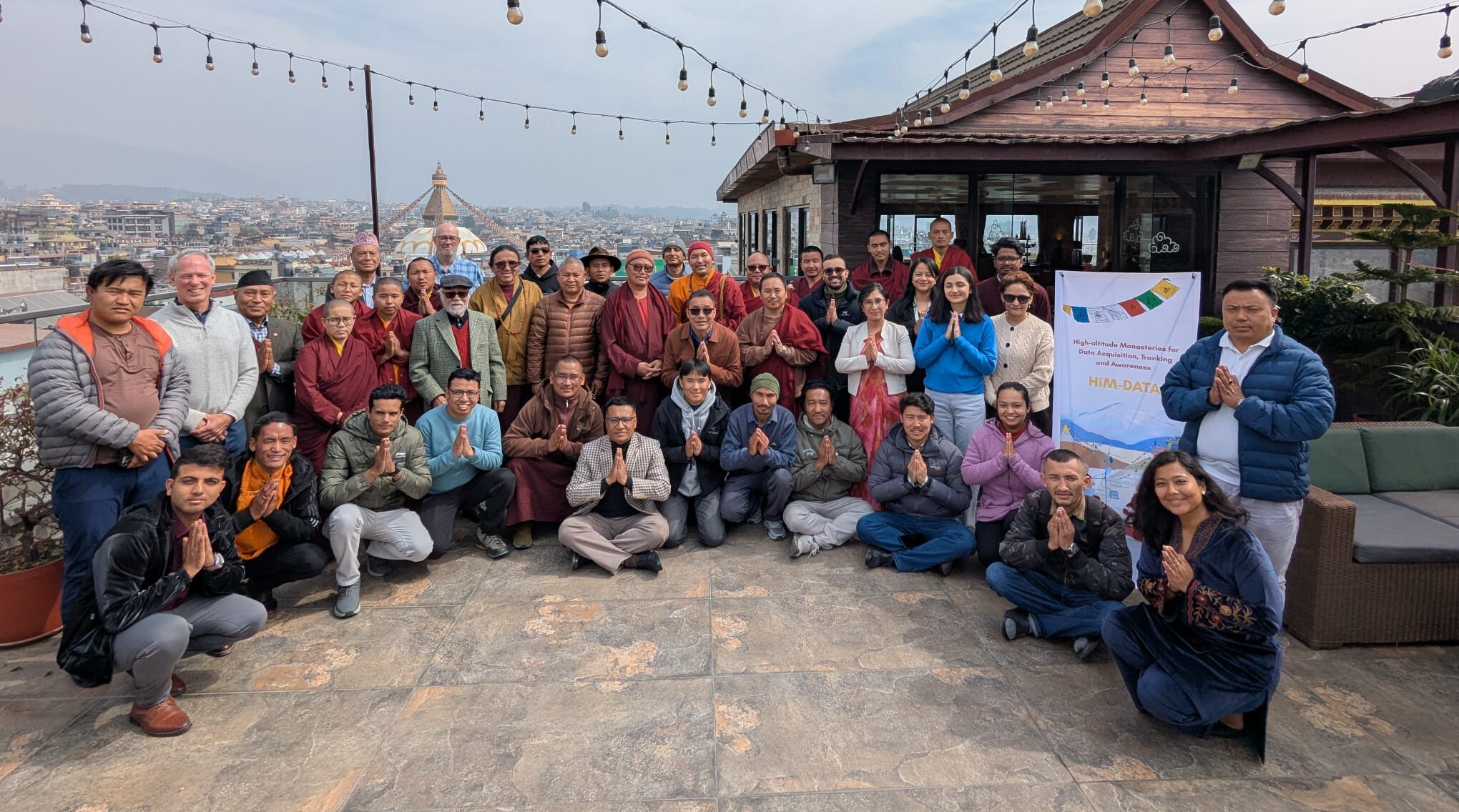
The workshop highlighted the active role of local communities and monastic leaders in shaping climate monitoring efforts. 15 monks and representatives from different monasteries, alongside local government officials from Dolpo, Manang, Gorkha, Kathmandu, Kavre, and Lalitpur, shared their perspectives on challenges and opportunities for implementing high-altitude observation systems.
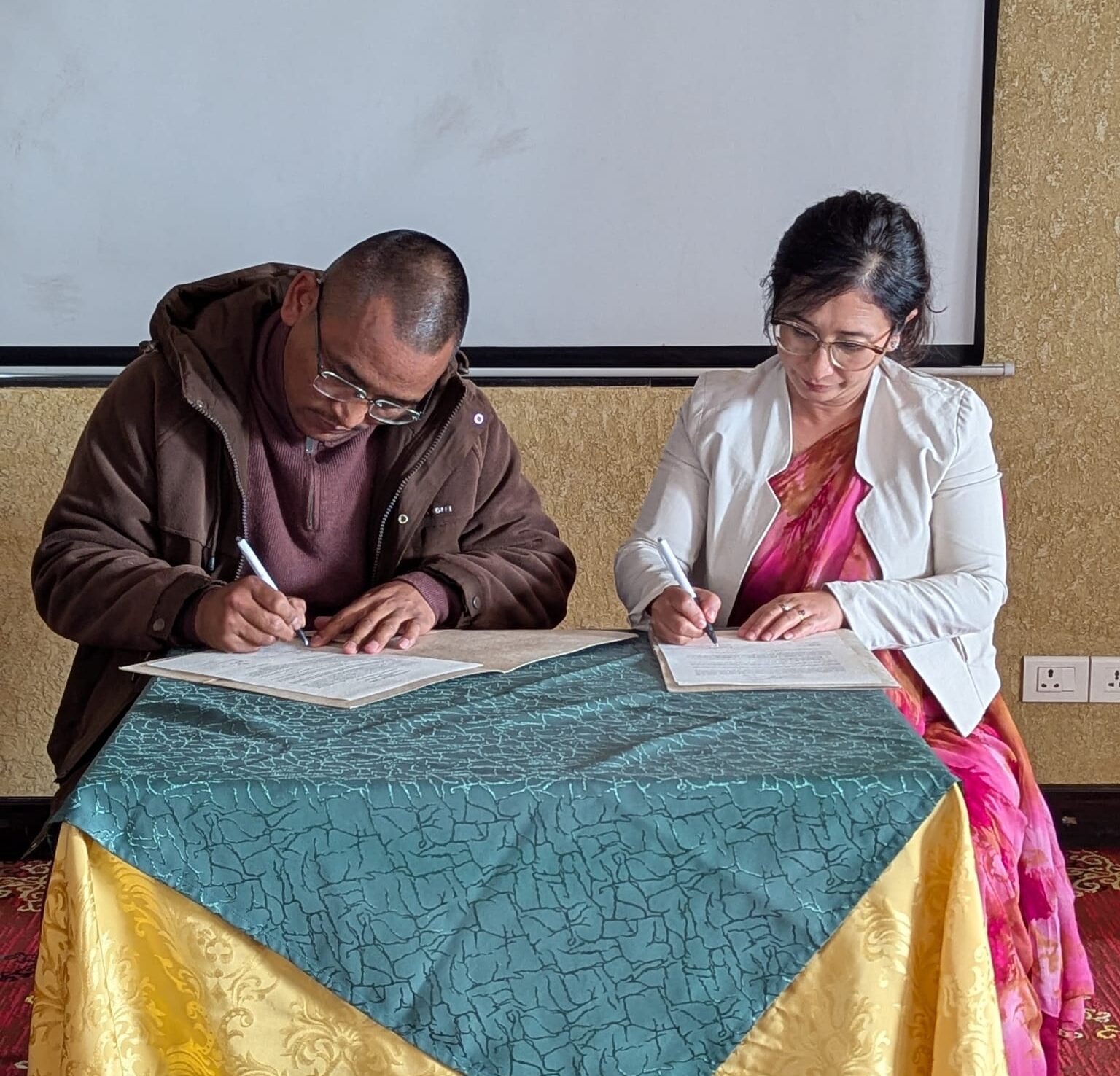
A key milestone was the formal signing of a Memorandum of Understanding (MoU) between The Small Earth Nepal and Namkha Khyung Dzong Monastery, officially launching the HiM-DATA pilot and establishing a foundation for long-term collaboration.
Through structured group discussions, representatives from monastic communities, policymakers, researchers, academicians, and science communicators engaged in meaningful dialogue on how the HiM-DATA initiative can help bridge the gap between science and local communities. Conversations with monastic leaders underscored the importance of transparency, trust, and respect for religious integrity, with clear expectations regarding long-term benefits, maintenance responsibilities, and genuine community ownership. Environmental stewardship, rooted in principles such as tungri (protecting a region), along with practices like ritual observation, cloud interpretation, and seasonal calendars, was acknowledged as a legitimate and lived climate knowledge system that should stand alongside scientific monitoring.
Academics and researchers emphasized the need for sustainable funding, strong collaboration with gaupalikas and local institutions, and technically robust stations installed above 3,000 meters to measure snowfall, temperature, humidity, and wind. Across all groups, there was consensus on the importance of ethical data practices, equitable benefit-sharing, and participatory scientific communication. Participants agreed that successful scaling of the initiative will depend on a well-executed pilot, inclusive dialogue, and the thoughtful integration of multiple knowledge systems.
The sessions also highlighted strong interest from additional monasteries and community members, with some participants nominating monasteries that could actively support or join future phases of the HiM-DATA initiative. This reflected growing local ownership and the potential for broader engagement as the project scales.
Day 3: From Dialogue to Action: The Way Forward
The final day, hosted at the Department of Hydrology and Meteorology (DHM), focused on translating dialogue into concrete implementation steps. Discussions clarified institutional roles, data-sharing mechanisms, technical responsibilities, and pathways for expanding the initiative to additional high-altitude monasteries. A key moment was the presentation of outcomes from the monastic group discussions to climate scientists and technical experts. This exchange emphasized the importance of incorporating the lived realities, knowledge systems, and priorities of mountain communities into the design of monitoring systems and broader climate policy decision-making.
The workshop concluded with a shared commitment to operationalize the pilot in Humla, strengthen coordination with local governments and technical agencies, and gradually scale the HiM-DATA model across Nepal’s mountain regions. Participants reaffirmed that sustainable climate action in the Himalayas must be community-centered, policy-informed, and grounded in collaboration between science and society.