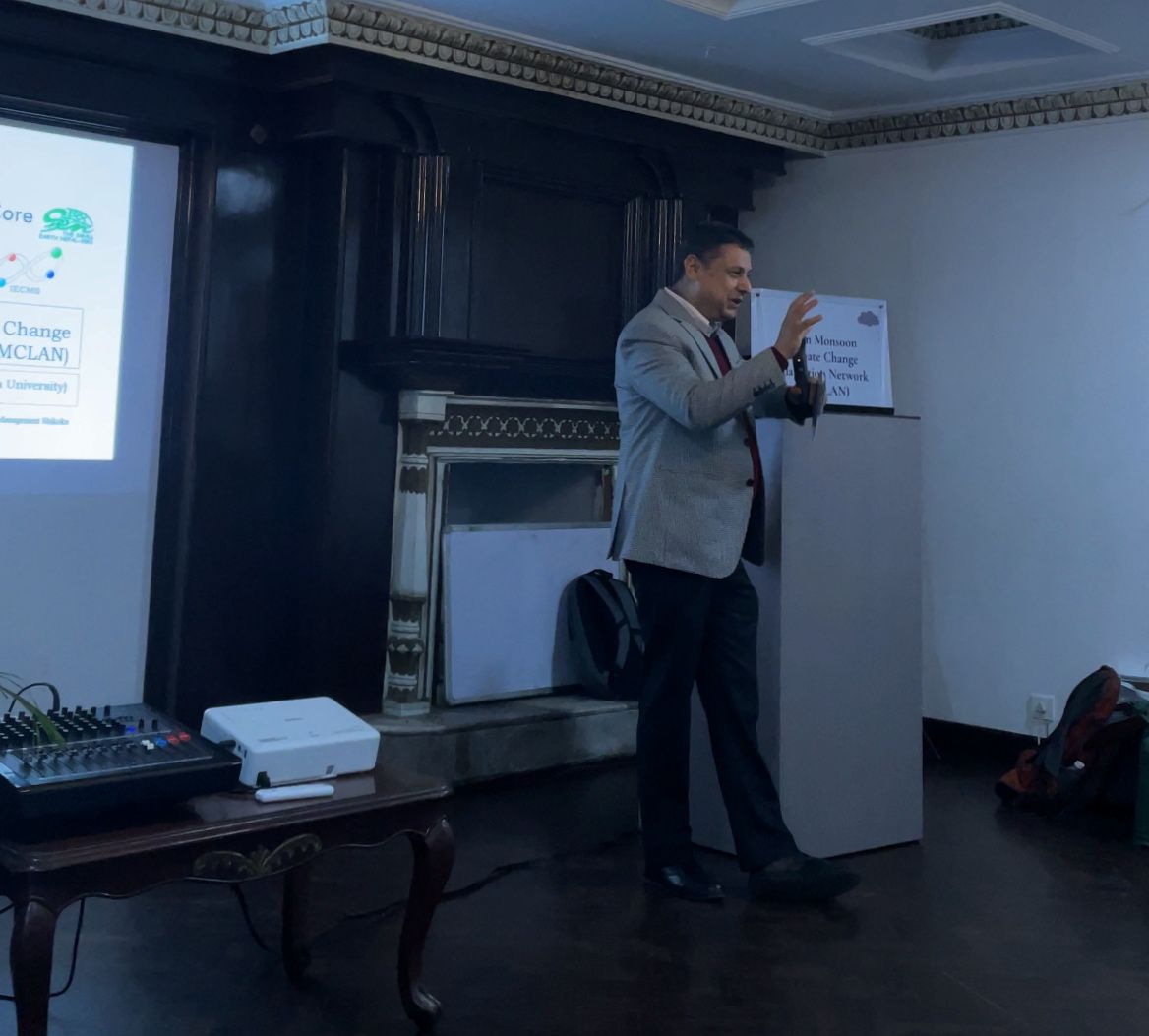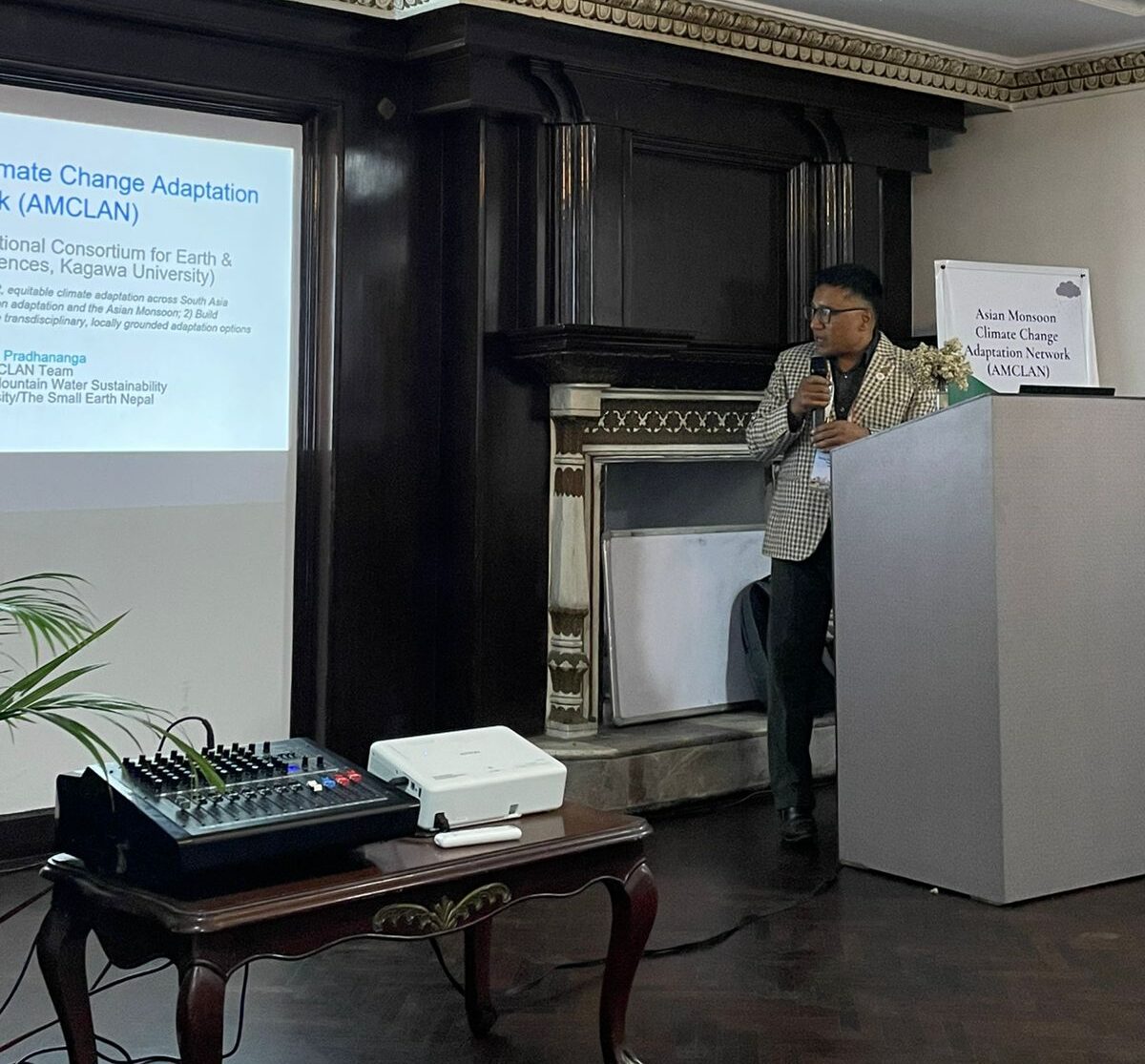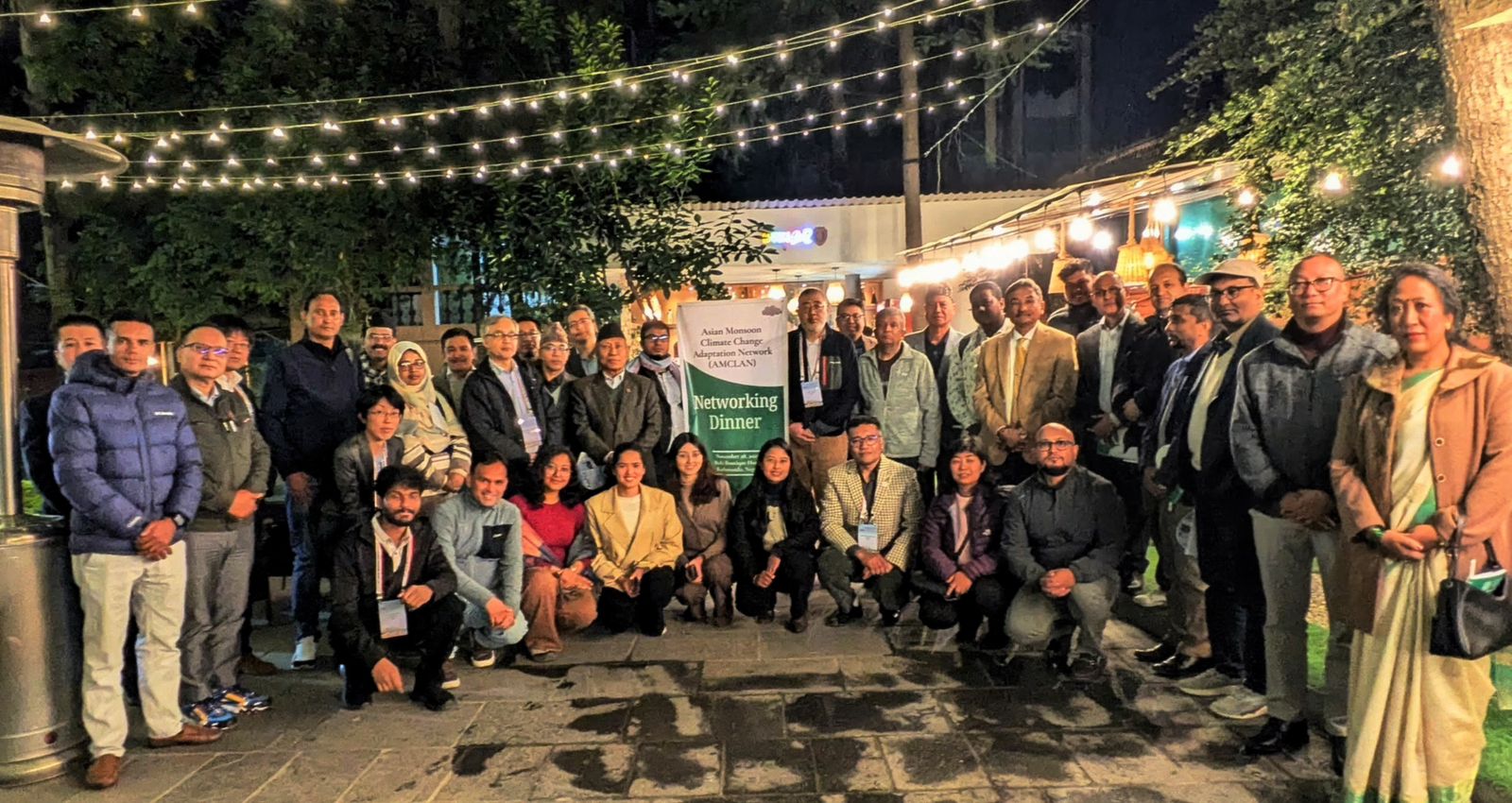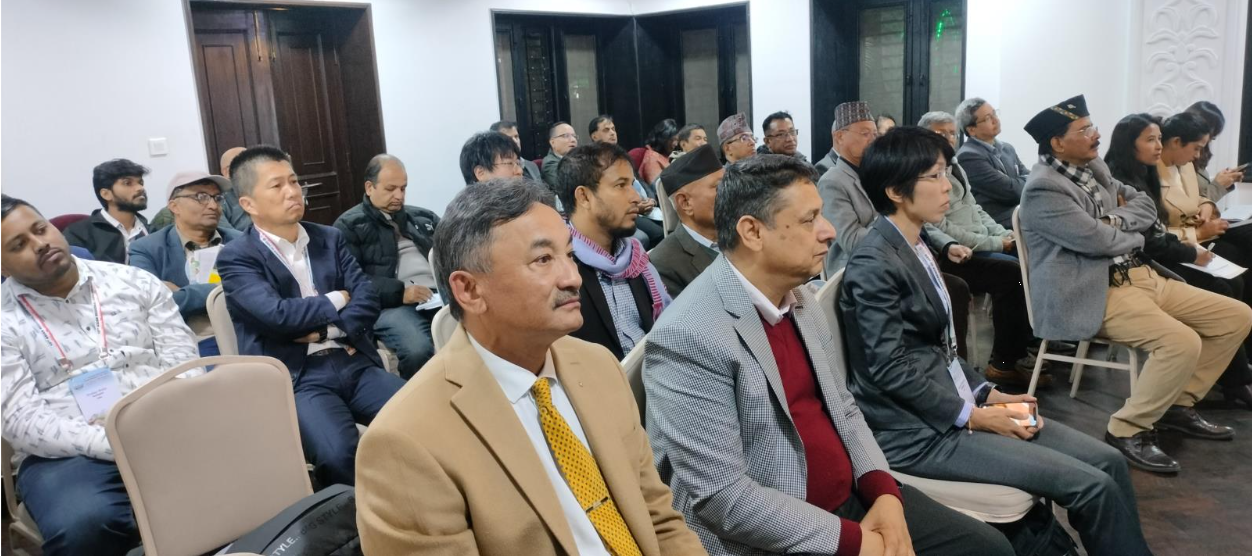
The Asian Monsoon Climate Change Adaptation Network (AMCLAN) held its first networking meeting in Kathmandu on 28 November 2025, bringing together researchers and institutional leaders to discuss the future of regional cooperation on climate change adaptation across the monsoon countries of Asia. The network aims to build a shared scientific platform for joint research, data exchange and capacity-building focused on the challenges of the Asian monsoon.
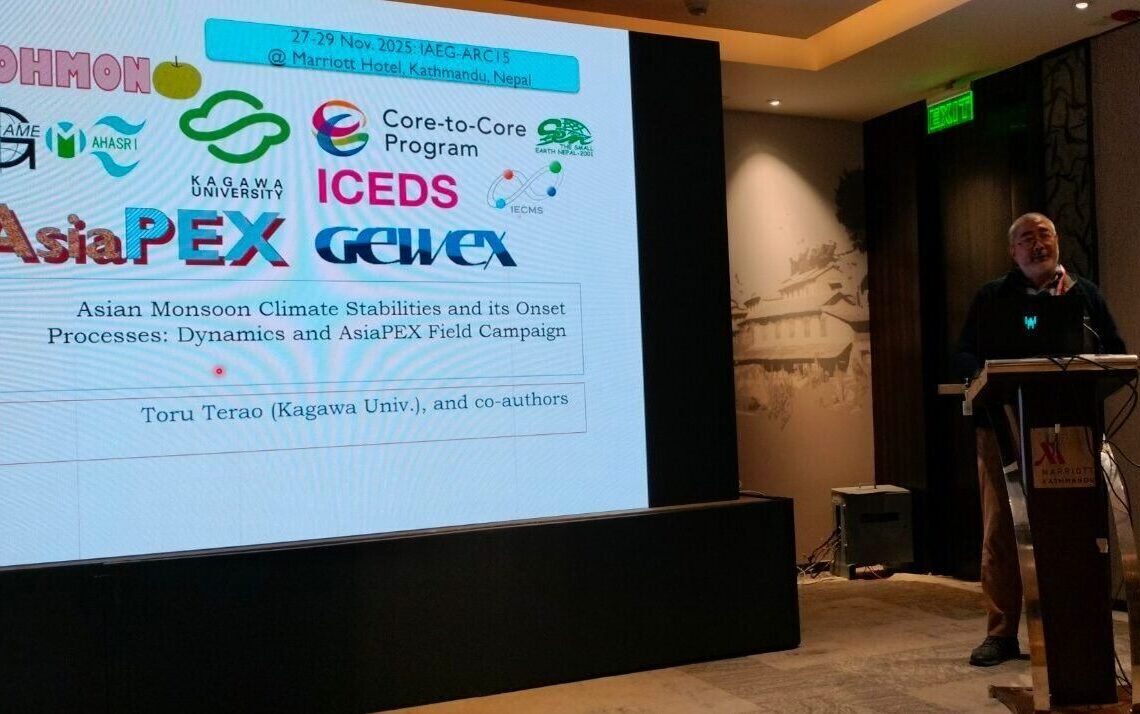
The event took place at Buki Boutique in Lazimpat and was hosted by Prof. Toru Terao (PhD) from Kagawa University and Dr. Dhiraj Pradhananga from Tribhuvan University (TU)/The Small Earth Nepal (SEN). The evening opened with remarks from the Vice Chancellor of Tribhuvan University, Prof. Deepak Aryal (PhD), who welcomed participants and emphasized the need for stronger scientific collaboration among the regional networks. He expressed gratitude towards Prof. Terao of the International Consortium for Earth and Development Sciences (ICEDS) and Dr. Pradhananga, Head, Department of Meteorology at Tri-Chandra Multiple Campus, TU, and President, SEN for the initiative.
Prof. Terao and Dr. Pradhananga delivered presentations outlining AMCLAN’s vision as a regional initiative aimed at advancing adaptation sciences, enhancing data sharing, promoting collaborative research, and creating opportunities for faculty and student exchanges. Dr. Pradhananga provided opportunities for networking with other global initiatives, including the UNESCO Chair in Mountain Water Sustainability and the International Network for Alpine Research Catchment Hydrology (INARCH).
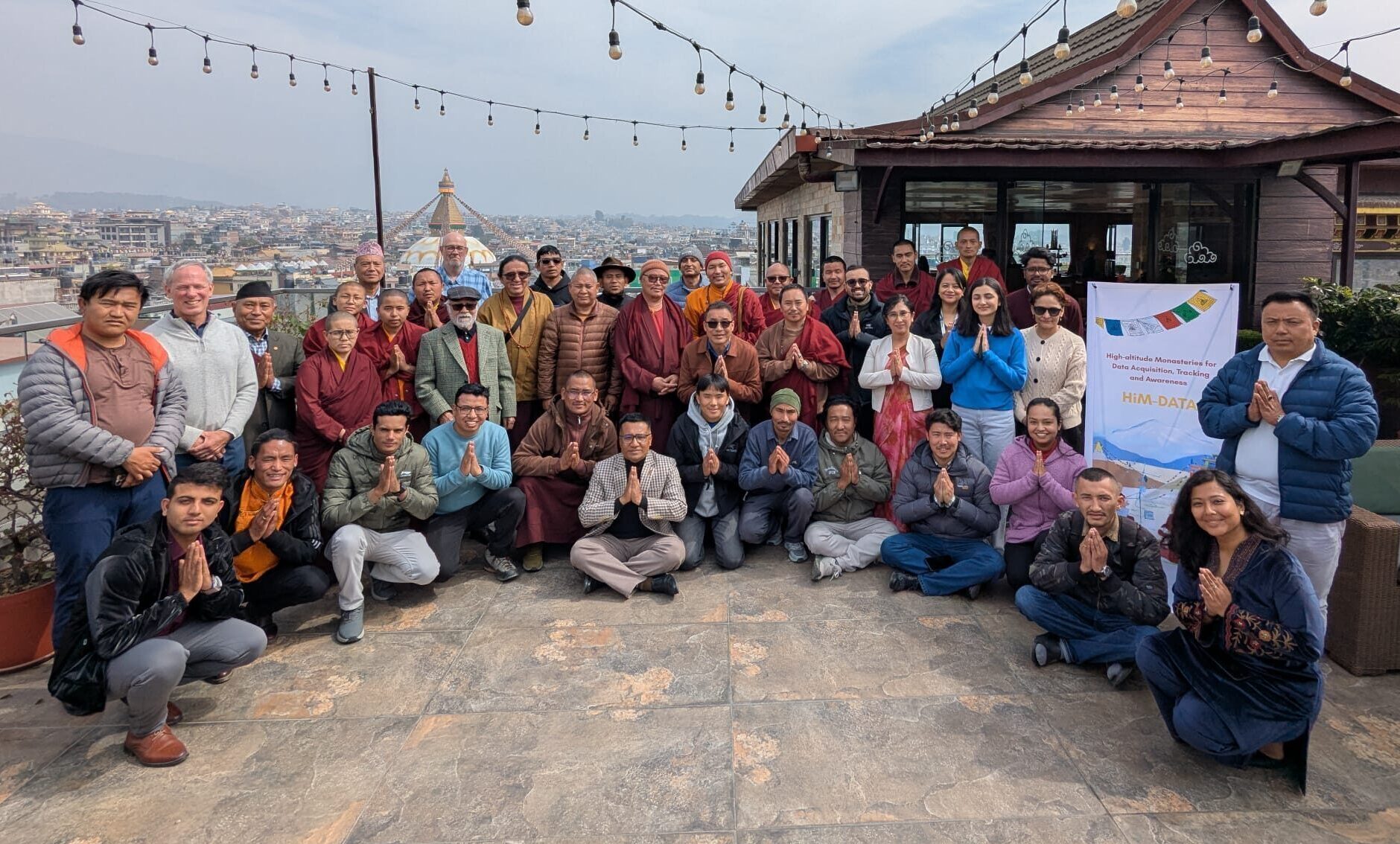
The event brought researchers and academics, including early career researchers and professionals from Bangladesh, Japan, India, and Nepal, who expressed strong interest in a coordinated regional mechanism for monsoon-related climate research. Their engagement highlighted AMCLAN’s potential as a cross-border scientific platform connecting institutions across South Asia.
Speakers explained that AMCLAN aims to operate as a science-driven cooperation mechanism, with institutional membership and additional pathways for individual involvement through advisory roles, research fellowships and future thematic sub-networks.
Participants discussed and noted that a denser and more reliable AWS system would significantly improve hydro-climatological monitoring, early warning of extreme events, and impact-based forecasting. They emphasized the value of technical awareness, stronger maintenance systems, and wider national and international support for such an effort.
The evening concluded with a networking dinner that participants described as highly productive, offering space for meaningful exchanges among researchers and institutional representatives.