High-altitude Monasteries for Data Acquisition, Tracking and Awareness (HiM-DATA)

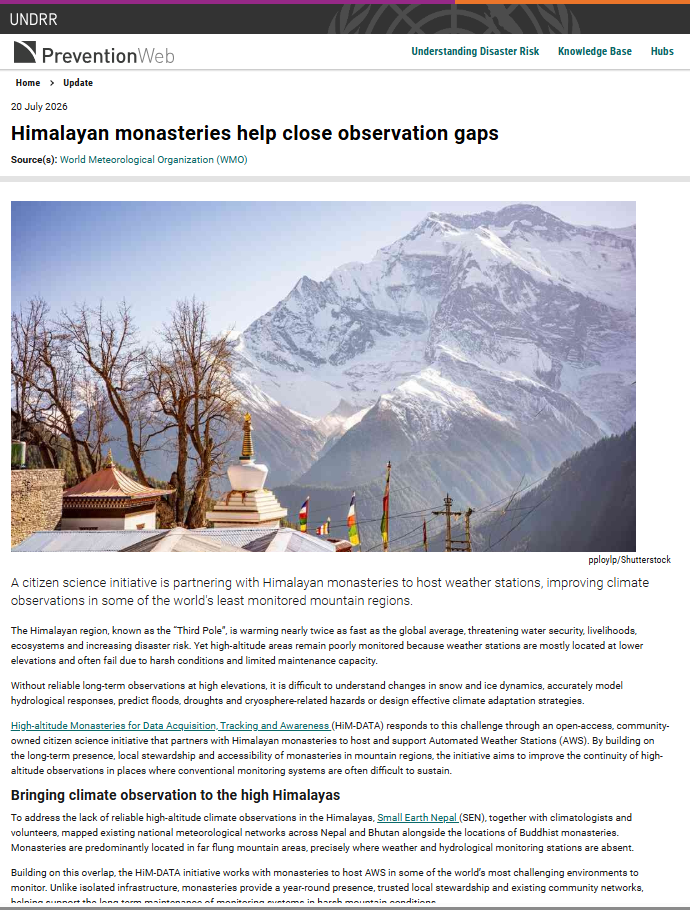
The Himalayan region, often referred to as the “Third Pole”, is warming at nearly twice the global average, resulting in significant impacts on water security, livelihoods, ecosystems, and disaster risk. Despite its global importance, high-altitude regions remain critically under-monitored due to logistical, financial, and operational constraints. Existing meteorological stations are sparse, concentrated at lower elevations, and often fail due to harsh environmental conditions, vandalism, and lack of local maintenance capacity. Without reliable long-term observations at high elevations, it is difficult to understand changes in snow and ice dynamics, accurately model hydrological responses, predict floods, droughts, and cryosphere-related hazards and design effective climate adaptation strategies
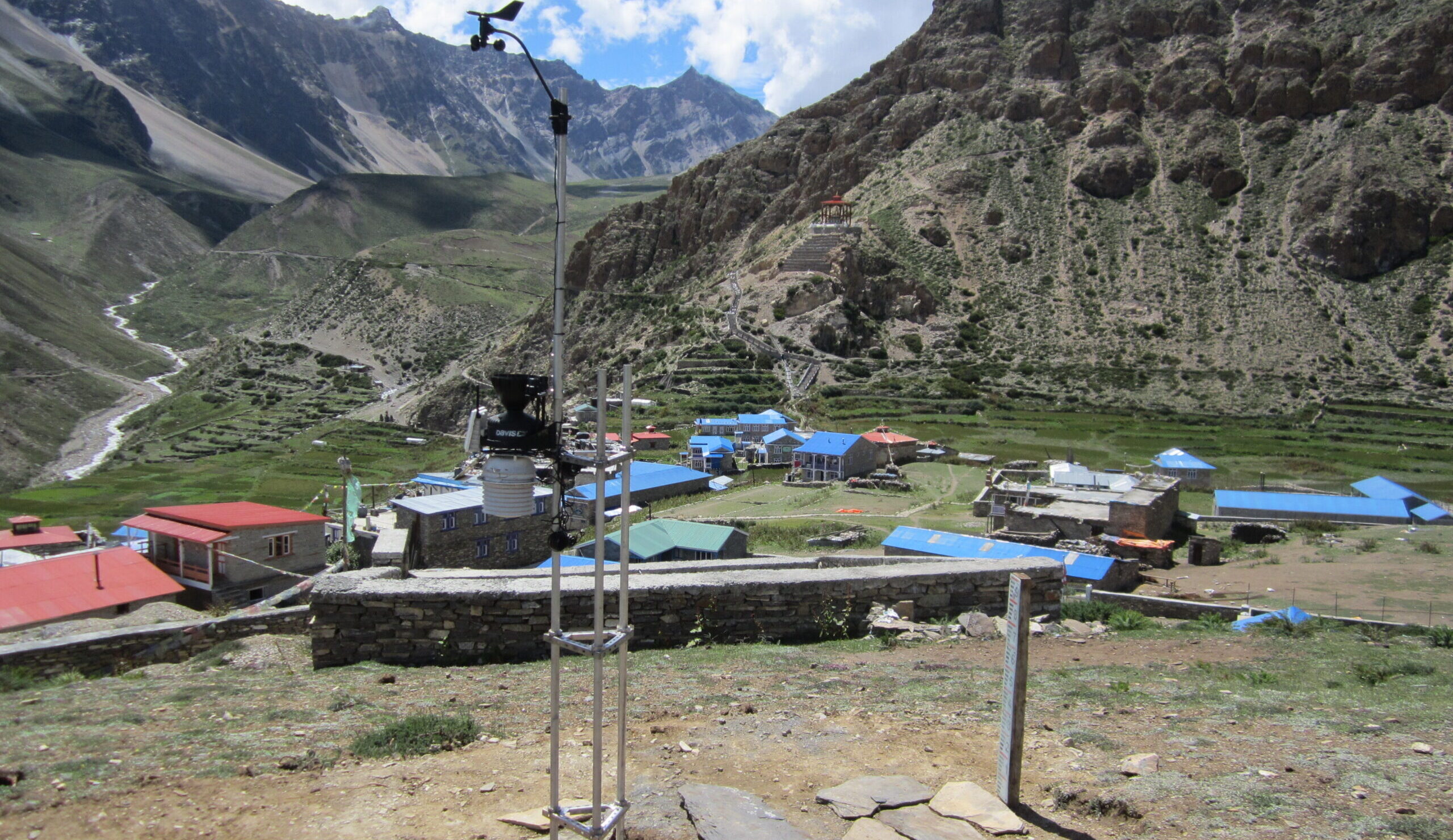
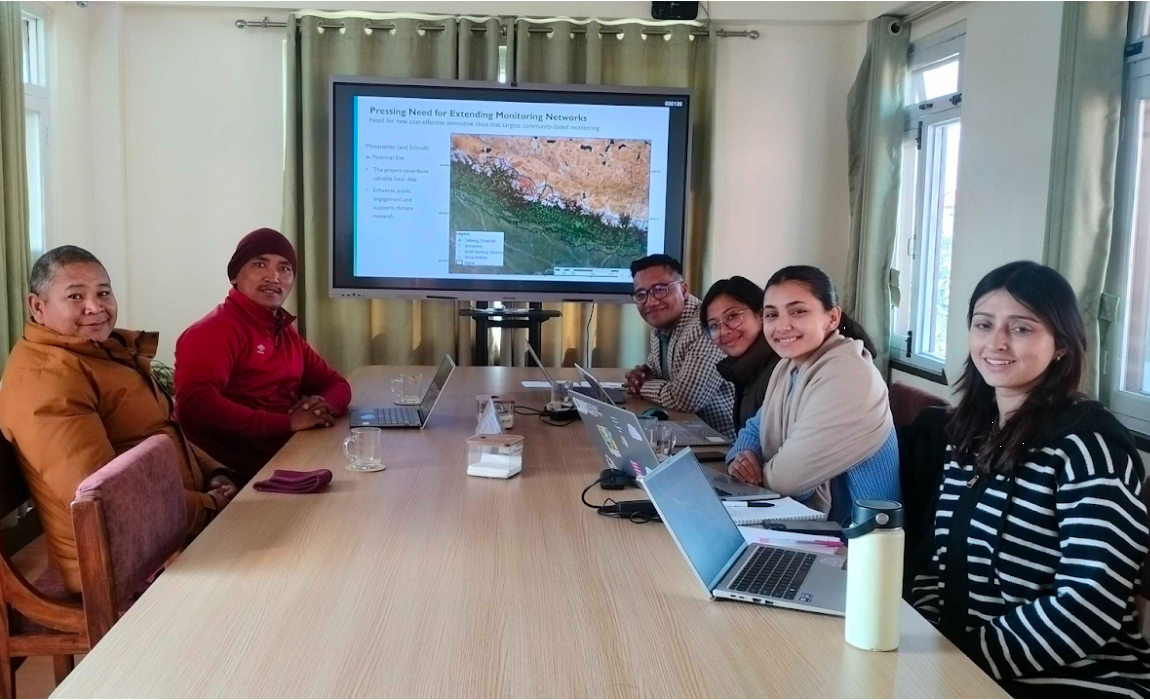
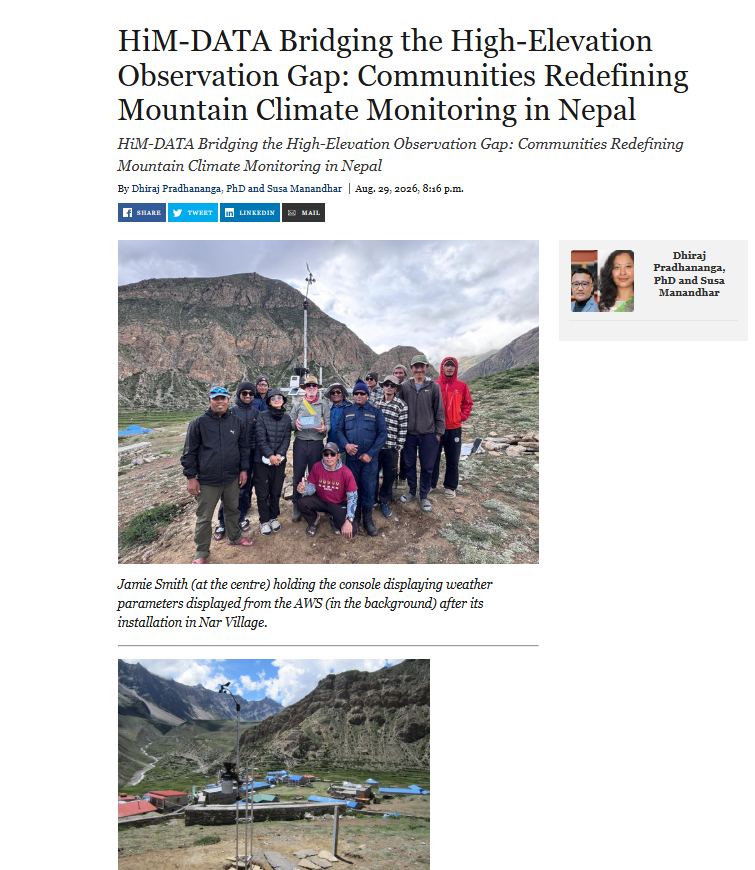
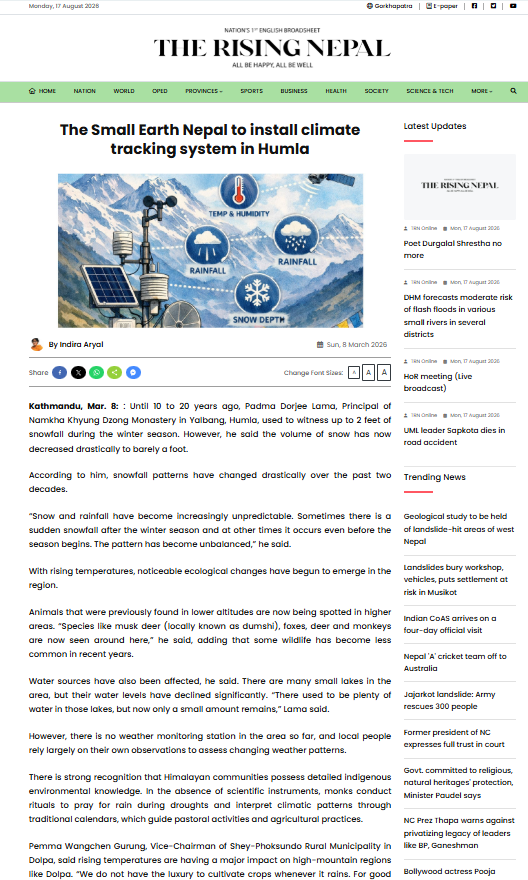
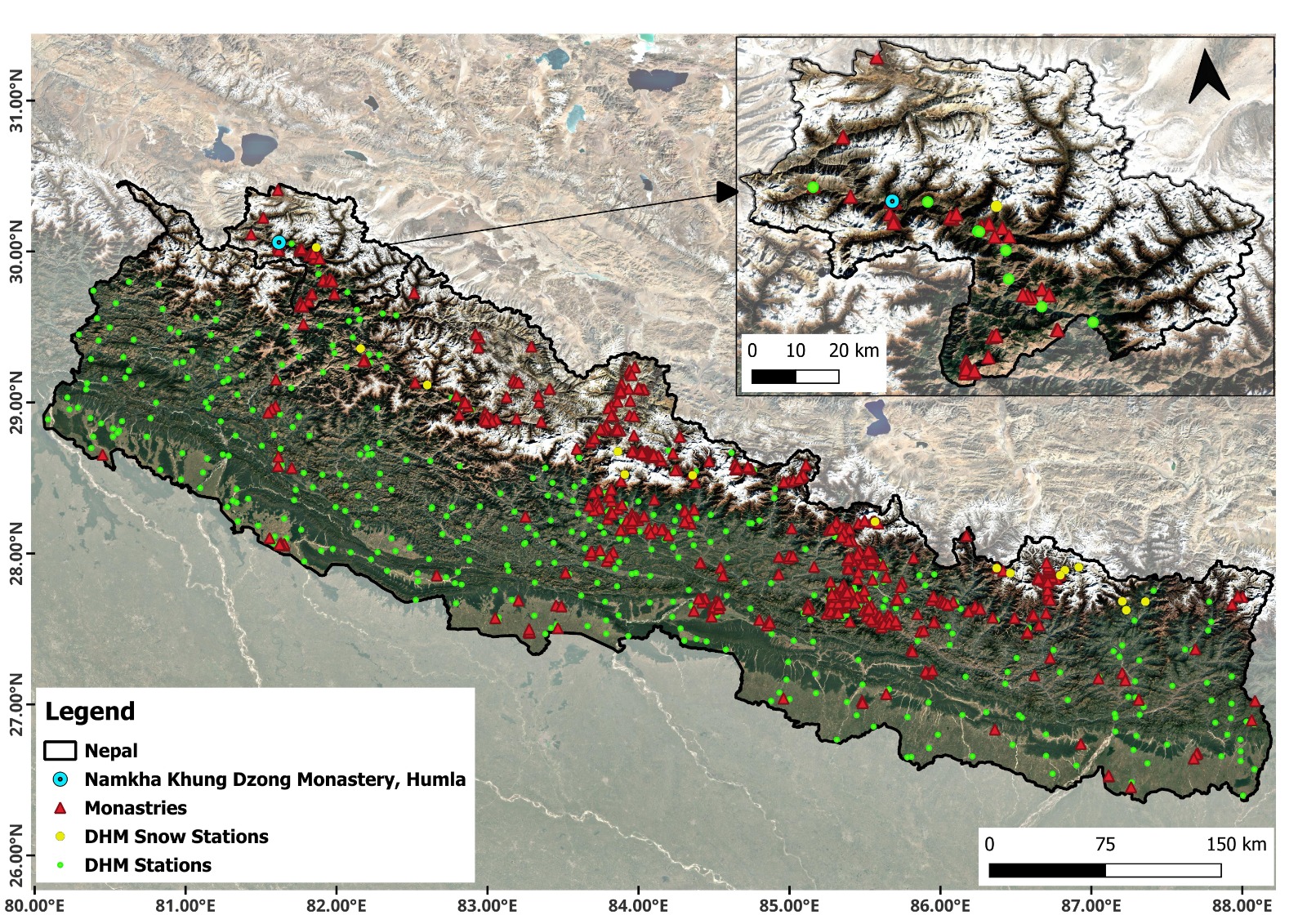
HiM-DATA addresses this critical gap through an innovative, community-embedded approach: installing and maintaining Automated Weather Stations (AWS) at monasteries in high-alpine regions. These stations will measure key climate variables such as temperature, humidity, and precipitation. Monasteries are located in data-scarce high-altitude areas, suited perfectly to host such climate stations because they are secure, socially respected institutions, often occupied year-round in otherwise inaccessible terrain. Monks and associated schools will be trained as volunteer custodians of the stations, ensuring long-term sustainability while also acting as trusted disseminators of climate knowledge within local communities.
The project will begin with a pilot installation at Yalbang Monastery in Humla District, Nepal, and will be scaled into a coordinated high-Himalayan monitoring network across Nepal, contributing to improved climate understanding across the wider Himalayan region. The data gathered will strengthen climate research, hazard forecasting, and national meteorological datasets, enhancing Nepal’s capacity for high-altitude climate monitoring. HiM-DATA directly supports Government of Nepal priorities outlined in national periodic plans, the National Adaptation Plan (NAP), climate change policies, and disaster risk reduction strategies, all of which emphasize the need for reliable climate data, strengthened early warning systems, and risk-informed development planning.
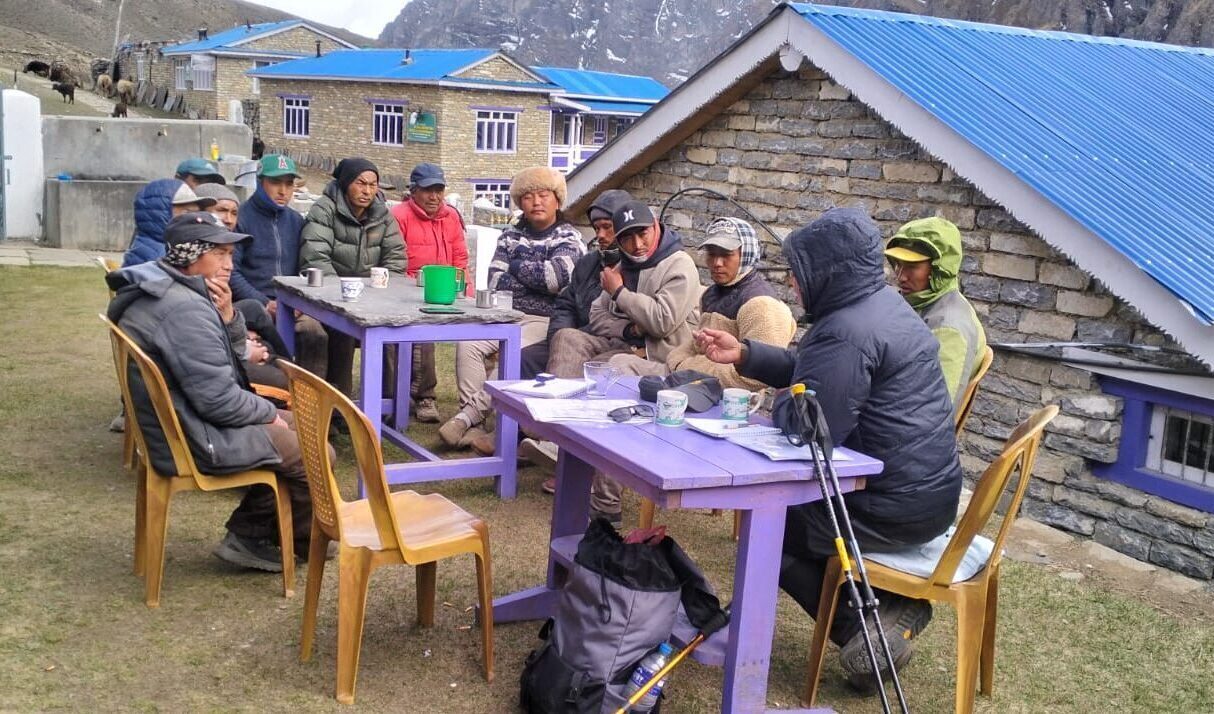
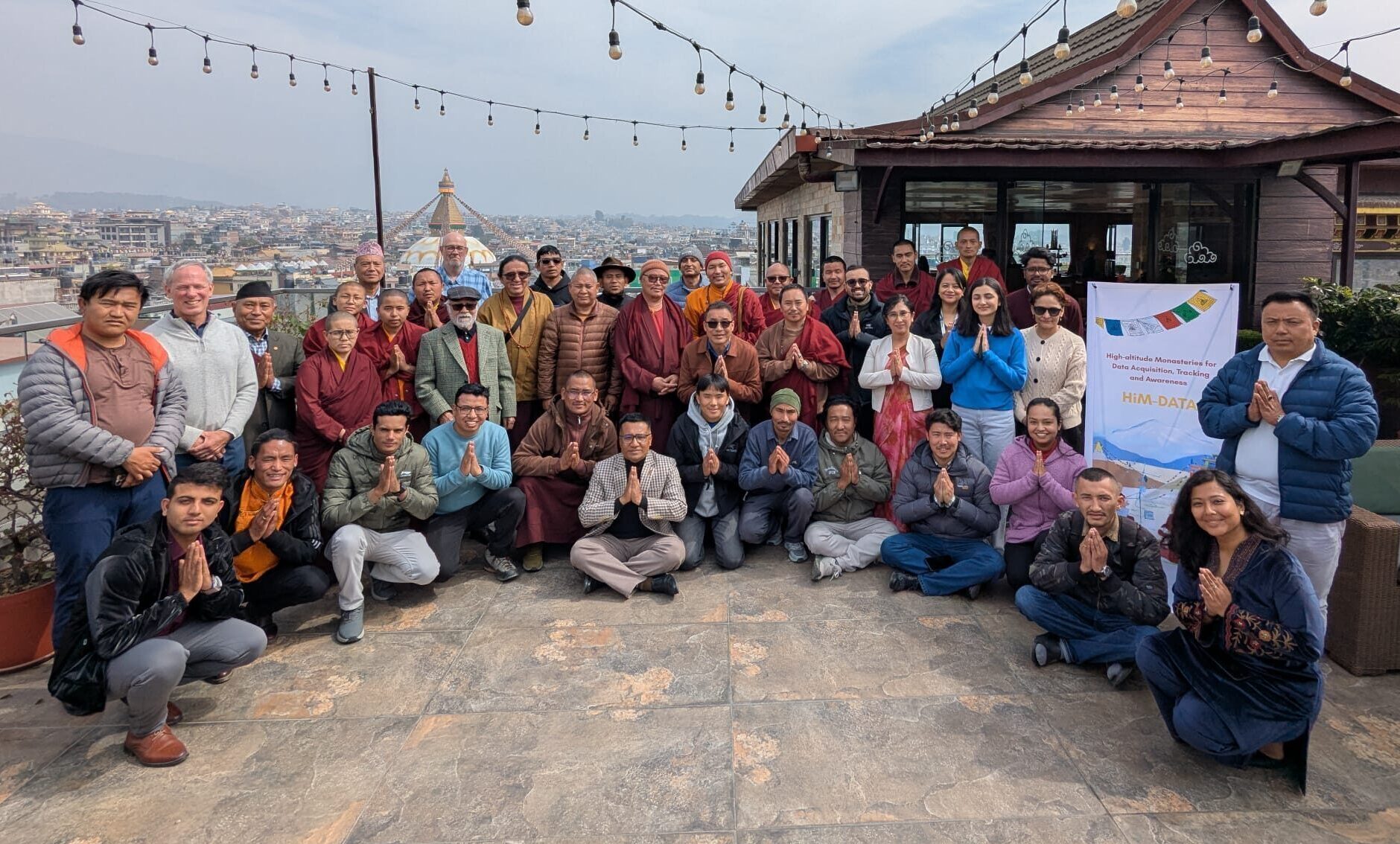
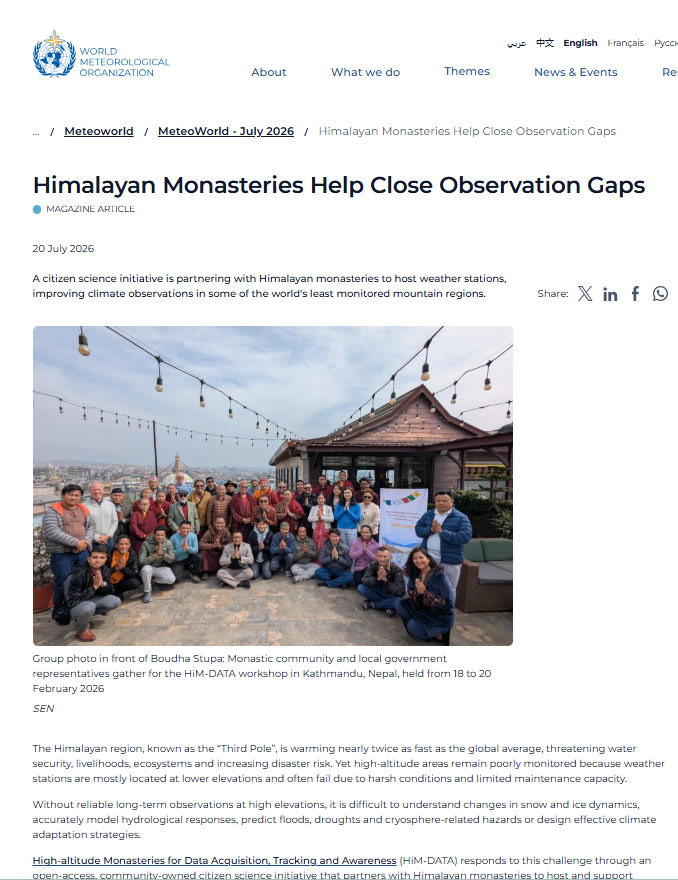
By integrating monastery-hosted stations into the existing DHM framework, HiM-DATA establishes a scalable and sustainable model for secure, community-embedded high-altitude climate observation. Through engagement of monks, local communities, government officials, and early-career researchers, the project aims to build local capacity to disseminate climate knowledge, enhance disaster preparedness and contribute to long-term sustainability of the climate monitoring network in high-mountain regions.
6 February 2026 - 31 December 2026