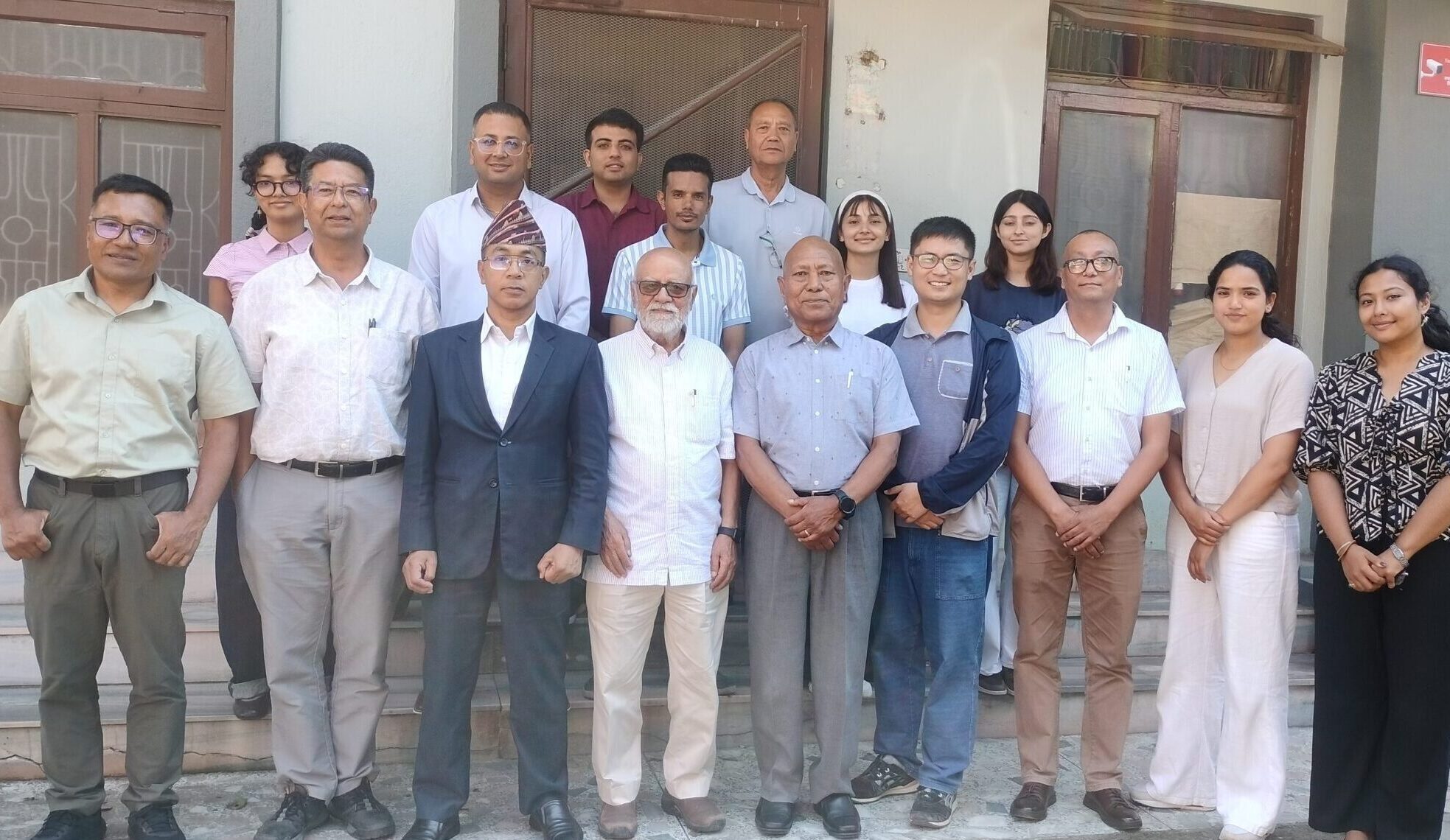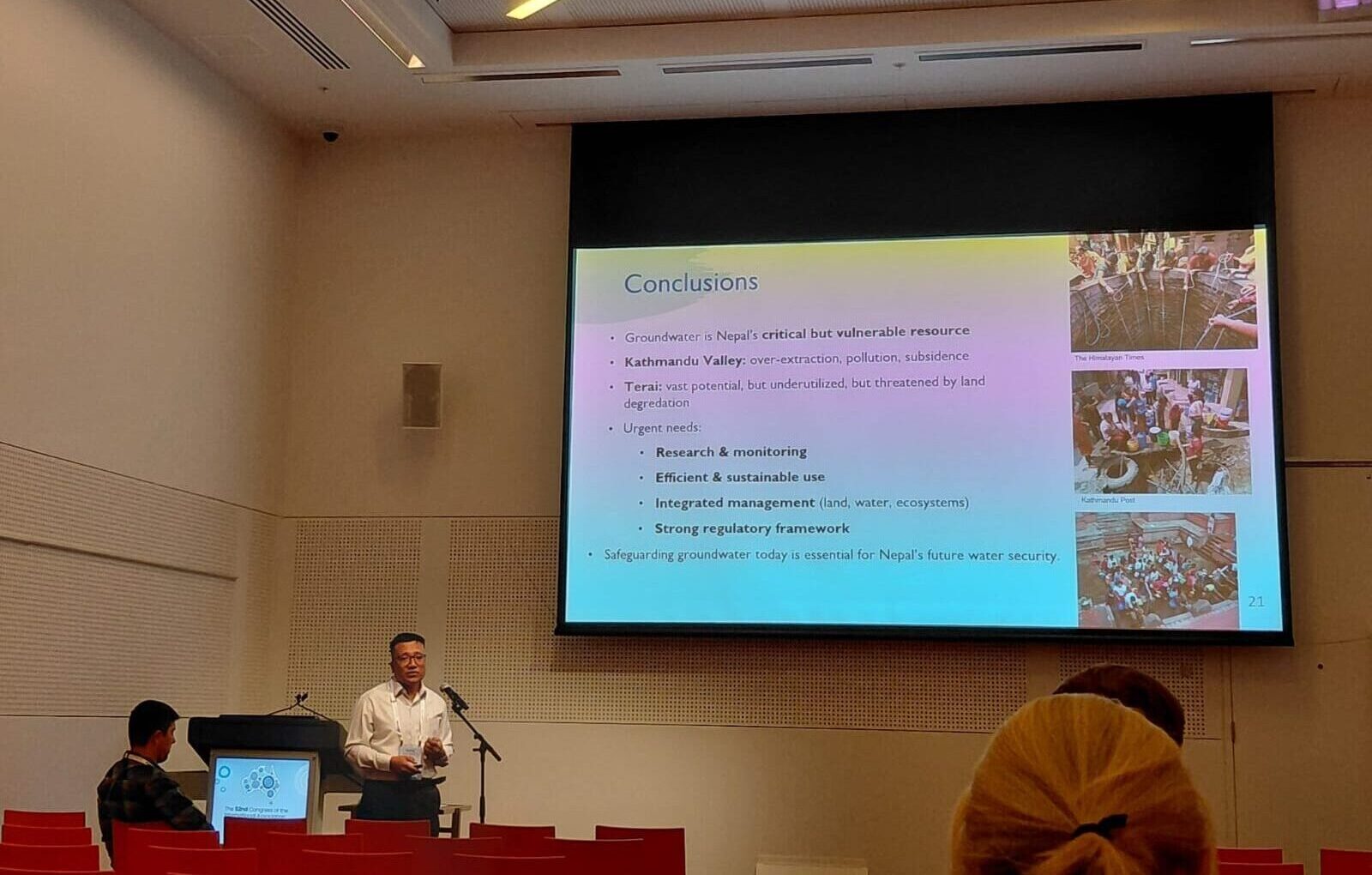
Dr. Dhiraj Pradhananga and team highlighted Kathmandu’s over-extraction, Terai’s untapped potential, and community-led solutions for sustainable groundwater futures.
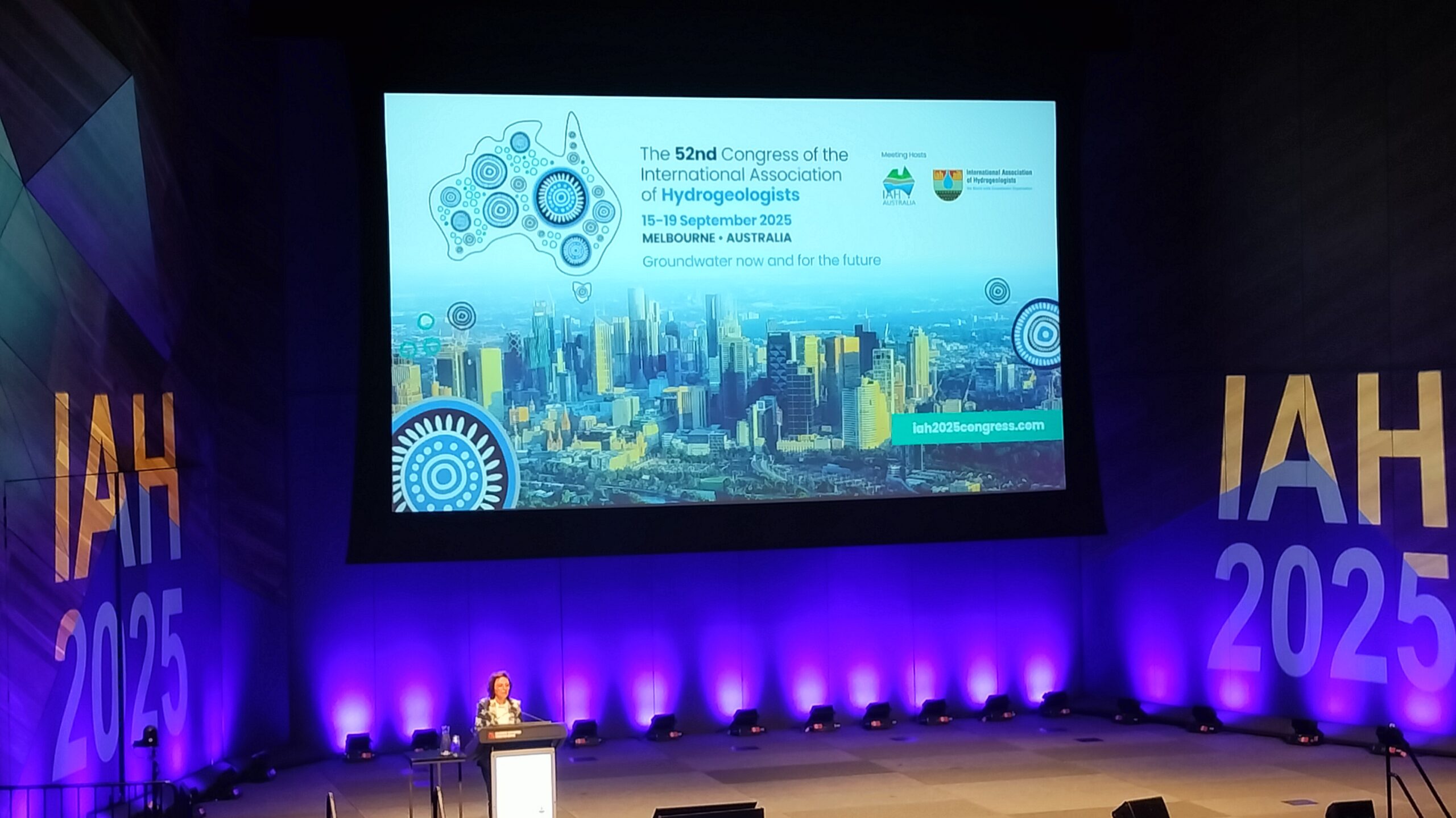
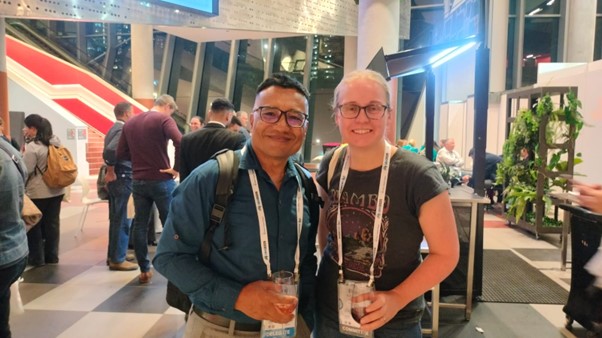
At the 52nd International Association of Hydrogeologists (IAH) Congress, Dr. Dhiraj Pradhananga (Tribhuvan University, The Small Earth Nepal, and collaborators) presented new perspectives on the Groundwater Management in Kathmandu Valley and the Terai Plains. The Congress, with the theme ‘Groundwater now and for the future’, was organized at the Melbourne Convention & Exhibition Centre from 15–19 September 2025.
The presentation was primarily based on a recent publication in the Catalogue of Hydrologic Analysis for Asia and the Pacific, Volume 3, Groundwater, and updated with case studies and community projects. The presentation covered the following key areas:
- Kathmandu Valley faces a severe supply–demand gap, with actual extraction (~143 MLD) far exceeding the sustainable yield (~26 MLD). Reliance on private wells is causing over-extraction, pollution, and even land subsidence hotspots.
- Terai Plains hold vast groundwater reserves, but irrigation is constrained by high energy costs, weak infrastructure, and limited monitoring.
- Groundwater quality remains a pressing concern: nitrate, arsenic, iron, lead, and microbial contamination exceed national and WHO standards in many wells.
- Bhairahawa–Lumbini Groundwater Irrigation Project boosted crop productivity and rural livelihoods, but declining tube-well efficiency and groundwater depletion show the risks of over-reliance without monitoring.
- A contrasting example came from The Small Earth Nepal’s project in Kapilbastu (funded by the Direct Aid Program, Australian Embassy), where women farmers were trained in drip irrigation, supported with deep boring for a reliable supply, and empowered through crop calendars and training manuals. This demonstrated how efficient water-use systems can strengthen livelihoods in the drought-prone Terai without unsustainable extraction.
Dr. Pradhananga also highlighted good practices and lessons learned, including the need for:
- Long-term monitoring networks (potentially with citizen science),
- Rainwater harvesting (noting that Kathmandu Valley receives 8 times more rainfall than its water demand in 2020),
- Integrated management linking land, water, and ecosystems,
- Stronger regulation, with permits, metering, and enforcement to manage extraction.
The key message: Groundwater is Nepal’s critical but vulnerable resource. Kathmandu faces over-extraction and subsidence risks, while Terai holds promise but is underutilized and threatened by land degradation. Safeguarding groundwater today is essential for Nepal’s future water security.